
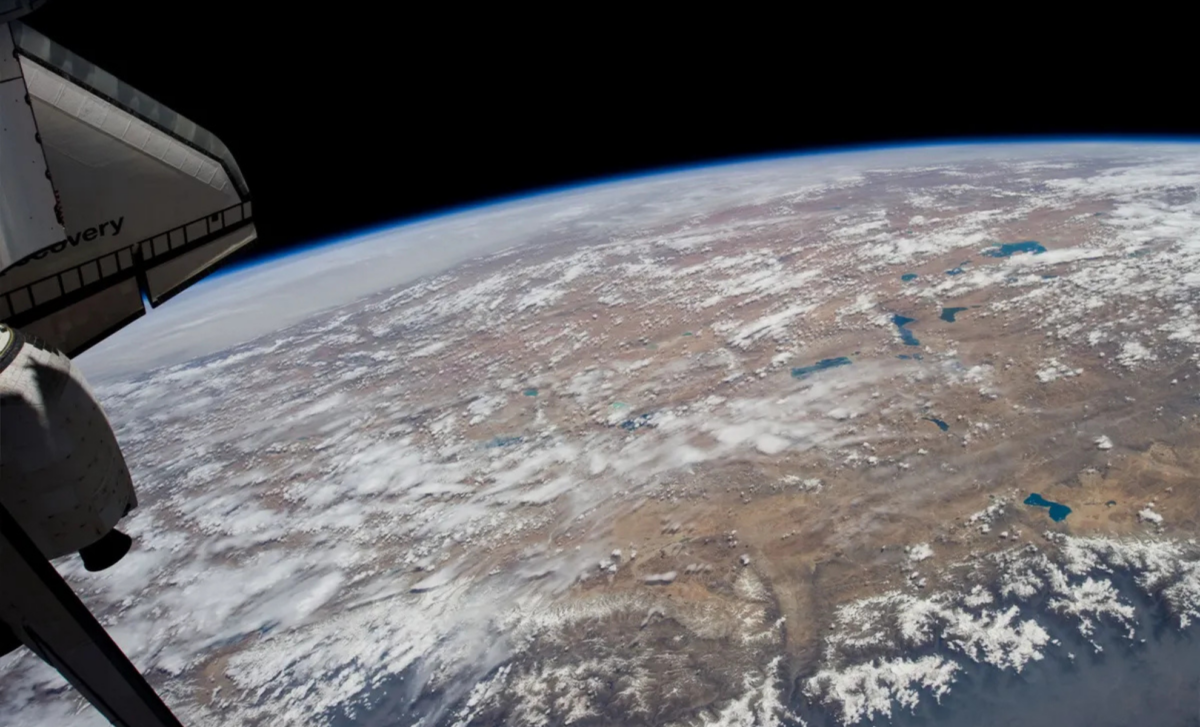
In Qinghai province, China is converting the isolated Saishiteng Mountain into a premier international center for astronomy, planning an advanced array of optical telescopes poised to surpass current observatories in Hawaii. Reports from SCMP reveal that experts anticipate this project will establish China as a key player in deep-space research by the mid-2030s.
Saishiteng Mountain: An Ideal Setting for Astronomy
Offering a unique blend of high elevation, arid climate, and low light interference, Saishiteng Mountain provides optimal conditions for detailed sky observations. Situated on the Tibetan plateau, the site enjoys predominantly clear skies throughout the year, granting extended opportunities to study distant galaxies, stars, and other celestial bodies. Specialists compare its environmental benefits to those of Mauna Kea in Hawaii, recognized globally as one of the finest astronomy locations. The exceptional environment is being leveraged to build telescopes that will significantly enhance China’s optical astronomy endeavors.
An Extensive and Advanced Telescope System
The National Astronomical Observatories of China (NAOC) aims to install telescopes with diameters between 6.5 and 14.5 meters, supported by numerous smaller devices. These instruments emphasize not only impressive size but also high accuracy, enabling researchers to detect faint celestial light with extraordinary precision. As NAOC’s site planning chief, Deng Licai, remarked,

“Their collective light-gathering power is expected to surpass [that of the telescopes] on Hawaii’s Mauna Kea peak,” highlighting the transformative potential of the project.
Overcoming Engineering Obstacles
Establishing large observatories at these altitudes involves formidable technical challenges. The extreme environment of the Tibetan plateau—with low oxygen, frigid temperatures, and difficult access—demands innovative construction methods and resilient materials. To maintain top telescope function, teams are incorporating cutting-edge cooling systems, vibration damping, and adaptive optics technology. Additionally, comprehensive infrastructure for energy supply, data communication, and ongoing maintenance is being developed, reflecting China’s dedication beyond mere facility building.
Scientific Breakthroughs and Worldwide Collaboration
Upon completion, the Saishiteng observatories will open new frontiers in research areas such as exoplanet identification, stellar lifecycle studies, and exploration of dark matter and cosmic structures. Data collected here may challenge existing cosmological theories and deepen global understanding of the cosmos. The facility is also expected to promote increased partnerships with international scientists eager to utilize these powerful instruments. According to SCMP, Saishiteng is poised to become an essential complement to other world-class observatories.
Projected Timeline and Long-Term Vision
Construction continues, with the complete telescope suite expected to be operational by the mid-2030s. This endeavor reflects China’s strategic focus on advancing astronomical science and enhancing its global research presence. Beyond contributing observational capabilities, the project will likely drive technological innovation, nurture scientific expertise, and stimulate broader enthusiasm for space sciences among the public.
- Categories:
- Space







0 comments
Sign in to Comment