
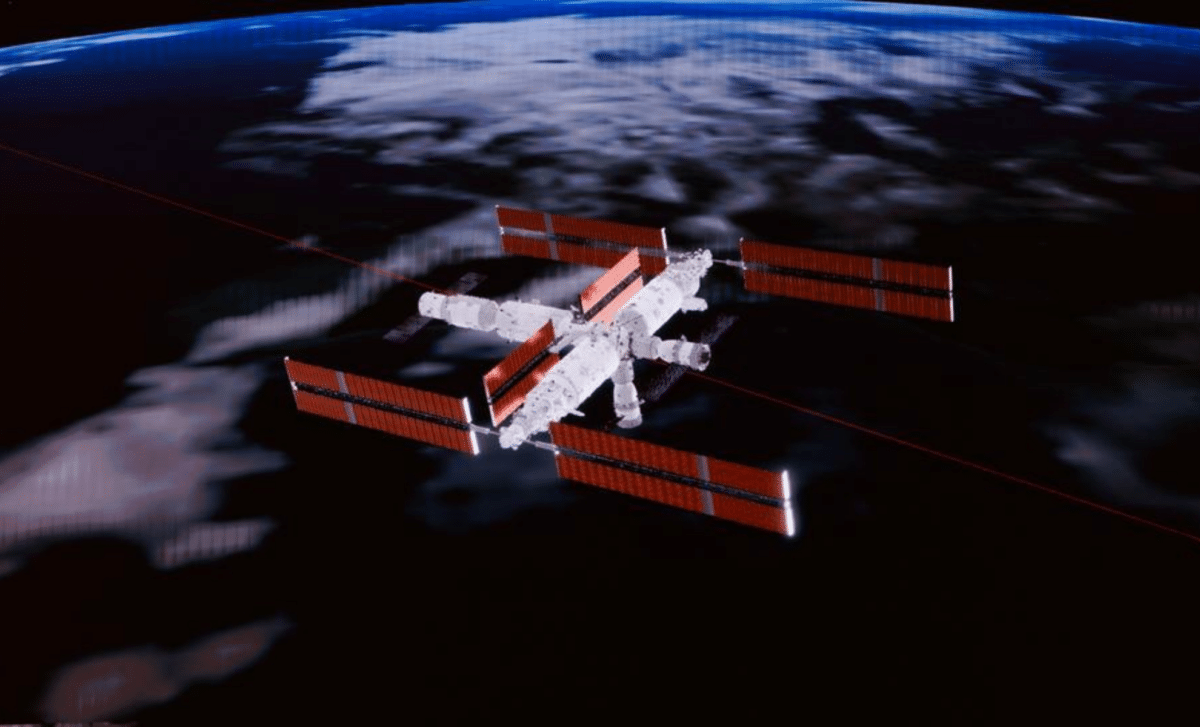
China is set to significantly enlarge its Tiangong space station, a development that could alter the dynamics of human activity in low Earth orbit over the coming decade. As reported by Space.com, the nation aims to upgrade its existing three-module station into a much larger complex, along with deploying a powerful space telescope designed to operate alongside it. This announcement comes at a crucial juncture, as the International Space Station (ISS) approaches the end of its service life around 2030, marking a major shift in crewed space operations.
Tiangong Set to Expand to Twice Its Current Size
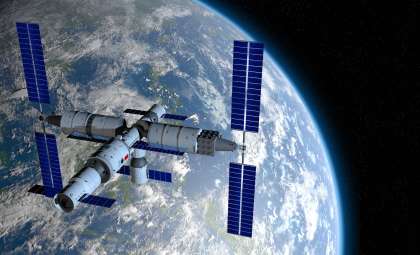
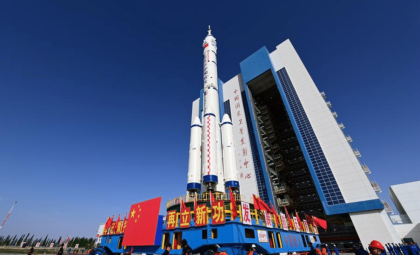
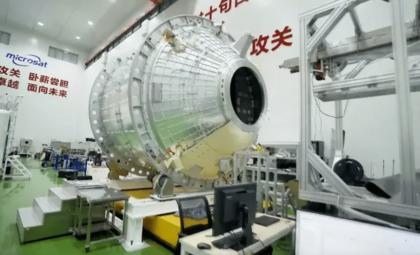
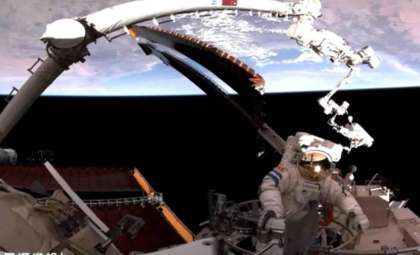
China is entering a new stage in its space ambitions, with plans to grow Tiangong from its initial three modules to six. Built between 2021 and 2022, the station has become the flagship of the country’s manned space program, consistently accommodating three-person Shenzhou crews and hosting an increasing array of scientific research. This next phase will reshape the station into a distinctive “double-T” structure through the addition of a multifunctional module and two specialized experiment modules. The first new module, expected to weigh about 20 tons, will attach to the Tianhe core module. Though the expansion has long been part of China’s vision, growing space activity demands have accelerated the need for increased capacity. More modules will provide additional living quarters for astronauts, expanded laboratory space for research, and extra docking ports to support simultaneous crew and cargo operations. Chinese authorities highlight that this growth will enhance operational flexibility and enable more ambitious, extended missions without logistical constraints.
Increasing Mission Frequency Drives the Expansion
The enlarged station is designed to accommodate China’s rising launch cadence and a greater number of spacecraft visiting Tiangong, as docking availability becomes a pressing concern. Researcher Qian Hang from the China Aerospace Science and Technology Corporation (CASC) explained the challenges ahead: “If the missions get more intensive, we risk ‘queuing’ for docking ports and lack sufficient emergency buffer space,” Qian said.

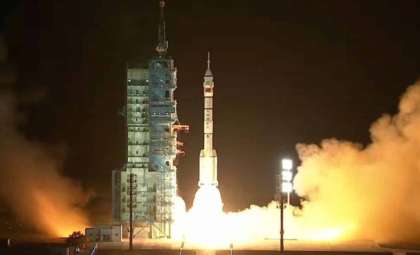
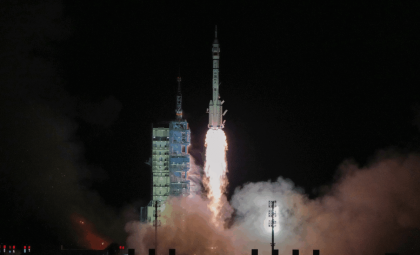
To address these issues, the station will gain new docking ports, increasing safety and operational scope. China is also developing more cost-effective cargo vehicles and the upcoming Mengzhou crew spacecraft, which will boost crew capacity to seven astronauts—more than twice that of the current Shenzhou. As noted by Space.com, these upgrades signal China’s intent to build an integrated transportation system to support a higher tempo of space operations.
An Advanced Space Telescope to Accompany the Station
Prior to the station's enlargement, one of its most anticipated additions, the Xuntian Space Telescope, is slated to launch in 2027. This observatory promises to be one of the most advanced developed by China, featuring a primary mirror approximately two meters wide—slightly smaller than the Hubble Space Telescope—and a 2.5-billion-pixel camera with an expansive field of view about 300 times that of Hubble's. Over a planned ten-year mission, Xuntian will survey nearly 40 percent of the sky. A key feature is its independent orbit, closely aligned with Tiangong, allowing the telescope to dock periodically with the station for maintenance, refueling, and upgrades. This arrangement merges the benefits of a free-flying telescope with the servicing advantages reminiscent of Hubble’s shuttle missions.
Signaling a New Era in Orbital Operations
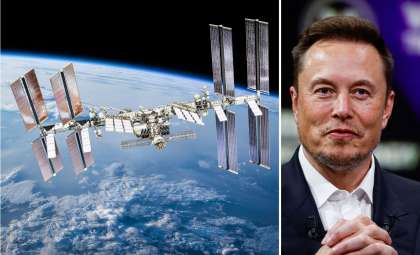
The timing of Tiangong’s expansion coincides with a significant shift in human spaceflight. NASA plans to retire the International Space Station by guiding it into a controlled descent over the Pacific Ocean around 2030–2031, using the U.S. Deorbit Vehicle developed by SpaceX. As commercial space stations rise to succeed the ISS, China’s accelerated schedule may allow Tiangong to become the largest constantly inhabited space station managed by a government during this transitional phase.
Lead designer Yang Hong has revealed that the station’s mass will increase from roughly 90 tons to 180 tons, effectively doubling its size. This expansion reflects China’s strategic aim to strengthen its independent space presence, broaden scientific research capabilities, and prepare for more frequent human missions beyond Earth orbit. While one iconic orbital laboratory prepares for retirement, another is gearing up for its most expansive chapter yet.
- Categories:
- News





0 comments
Sign in to Comment