
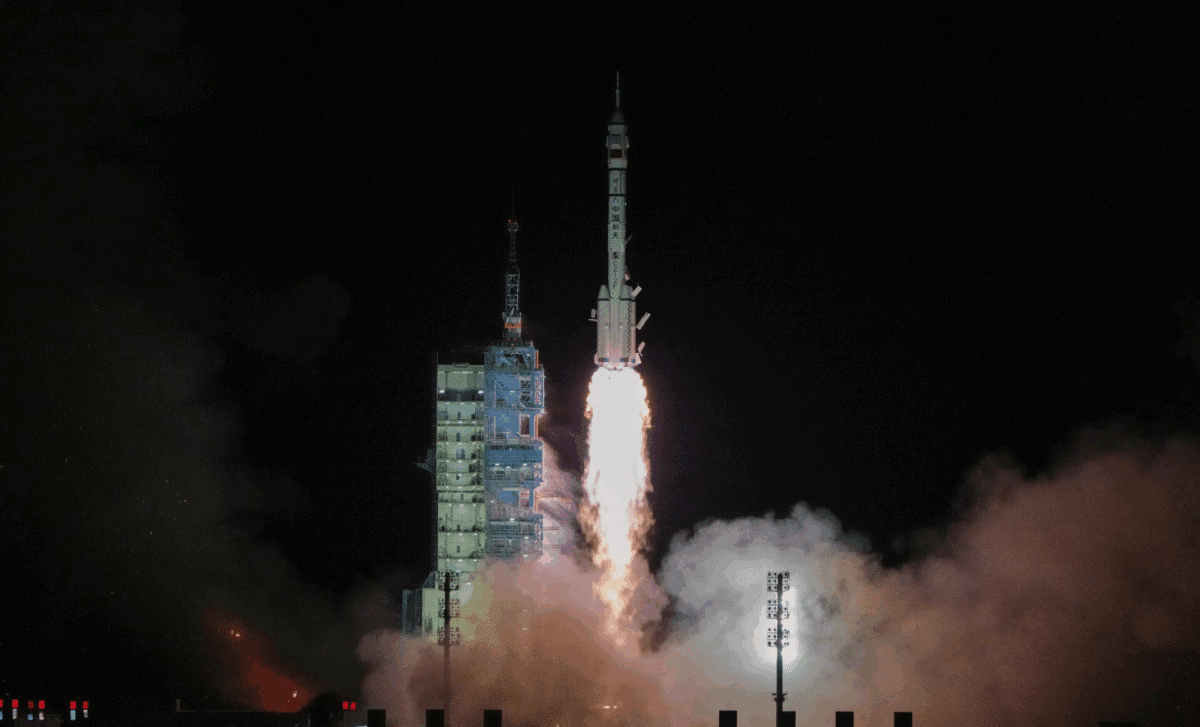
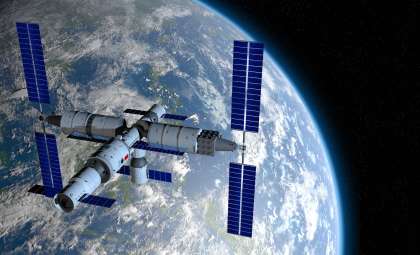
The Shenzhou 21 mission achieved a milestone by rapidly docking with China’s Tiangong Space Station, establishing a fresh national record for the fastest docking time. The three astronauts joined the orbital outpost in under four hours, advancing China’s growing footprint in space exploration. During their stay, the crew will carry out multiple experiments, including the unprecedented deployment of animals aboard China's space station.
Breaking New Ground in China’s Space Pursuits
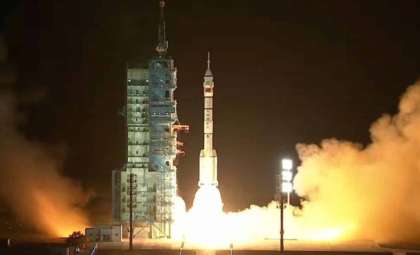
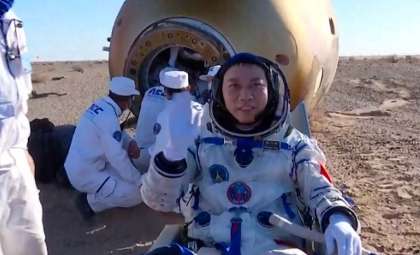
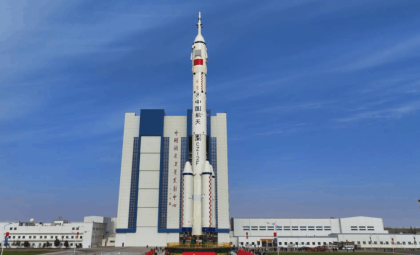
Reports from APNews note that the Shenzhou 21 spacecraft achieved docking with Tiangong only 3.5 hours after liftoff—shaving off three hours compared to earlier efforts. The mission launched aboard a Long March 2F rocket from the Jiuquan Satellite Launch Center on October 31. Commander Zhang Lu led rookie astronauts Wu Fei and Zhang Hongzhang on this mission, symbolizing a major advancement since China’s initial human spaceflight in 2003.
Within the Tianhe core module, the crew will undertake 27 scientific studies during their six-month stay. A standout experiment involves sending "space mice"—four small mammals, two males and two females—to observe how microgravity impacts their physiology and behavior. Han Pei from the Chinese Academy of Sciences highlighted, “This experiment is crucial for mastering technologies related to the breeding and monitoring of small mammals in space and assessing their adaptation and emergency responses in a microgravity environment,”

The mice’s one-week residency in weightlessness will help researchers understand how living beings adjust to prolonged space missions, knowledge pivotal for future lunar or Mars colonization efforts.
Advancing Toward Lunar Exploration
Shenzhou 21 represents more than a routine spaceflight—it is a significant element of China's strategy to reach the Moon. The China Manned Space Agency (CMSA) confirmed ongoing steady progress in their lunar program. During a pre-launch briefing, spokesperson Zhang Jingbo affirmed, “Our commitment to landing a Chinese astronaut on the Moon by 2030 remains unwavering,”.
The Tiangong station not only serves as an experimental and training platform but also underscores China’s independent capabilities. Developed without collaboration in the International Space Station program, Tiangong acts as both a cutting-edge laboratory and a statement of self-sufficiency. Cooperative efforts with Pakistan, which plans to send its inaugural astronaut for training and a brief mission, further highlight China’s growing role on the global space stage.
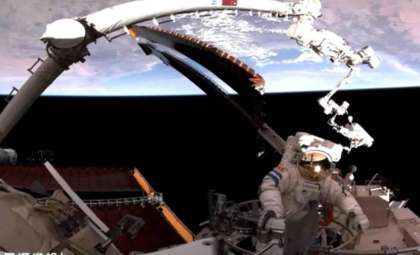
Astronauts aboard the station will seamlessly blend scientific research with cultural practices, such as gardening, tai chi, and poetry, merging traditional Chinese heritage with modern space technology.
China’s Growing Presence in Space Exploration
China’s swift advancements in space are reshaping international space dynamics. Through robotic lunar missions and Mars exploration initiatives, the nation is forging an independent innovation ecosystem. The Tiangong station, aptly named “Heavenly Palace,” now stands as a beacon of technological autonomy and scientific aspiration.
Each mission solidifies the foundation for future interplanetary endeavors. Researchers studying life aboard Tiangong contribute to the development of life-support systems essential for lunar bases. The speed record set by Shenzhou 21 exemplifies both technical prowess and increased operational efficiency in complex space operations.
Should China’s lunar landing goal for 2030 be met, the experience accumulated aboard Tiangong will have been instrumental—demonstrating that reaching the Moon is achieved through meticulous orbital missions and gradual advancements rather than giant leaps alone.
- Categories:
- News








0 comments
Sign in to Comment