
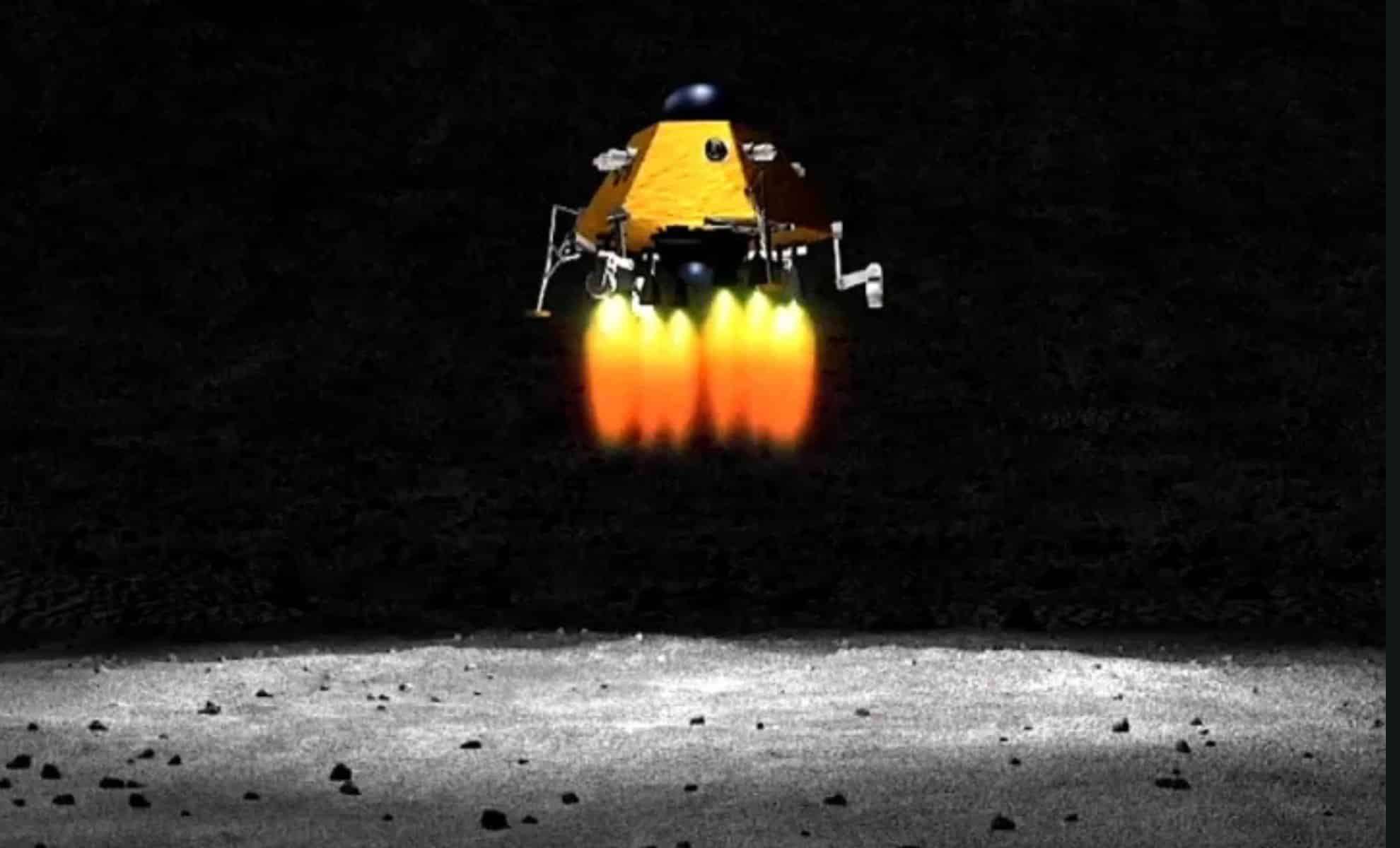
China continues to assert its ambitions in space with the upcoming Chang’e-7 mission, scheduled for launch in 2026. This mission aims to explore the far side of the moon, specifically targeting the lunar south pole to hunt for frozen water—an invaluable asset for future space endeavors. At the heart of the mission is a unique aerial robot that will navigate this challenging, shadowed terrain, opening new possibilities for lunar exploration and habitation.
An Aerial Explorer on the Moon’s Hidden Side
China has emerged as a formidable force in space exploration, advancing ambitious projects including crewed lunar landings targeted for 2030. The Chang’e-7 mission intends to investigate the mysteries of the moon’s south pole, where permanently shadowed craters might conceal vast reserves of ice.
According to leading Chinese scientists, unearthing lunar water is critical not only for scientific knowledge but also for establishing sustainable human presence on the moon. Wu Weiren, chief architect of China’s Lunar Exploration Program, noted, “There are some very deep caves at the south pole of the moon, and we think there may be water there.” Such hidden ice deposits could become essential resources for future astronauts working on the lunar surface.

Water is vital for long-term extraterrestrial missions, providing hydration, agriculture, and sources for oxygen and rocket fuel in spacecraft. Previous ventures like NASA’s Artemis program and India’s Chandrayaan missions have identified lunar water, yet much remains undiscovered in the perpetually dark craters of the south pole. Chang’e-7 promises to deliver unprecedented detailed analysis of these regions, marking a significant milestone in lunar research.
The Capabilities of the Flying Detector
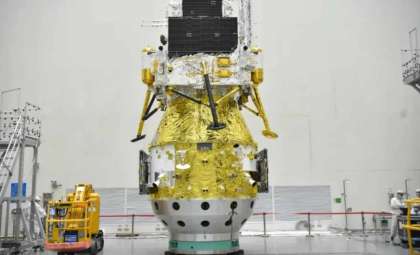
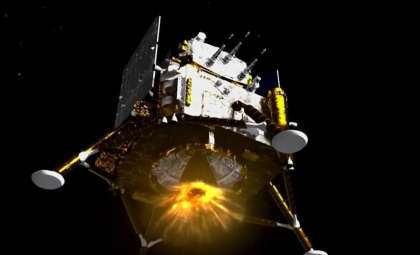
The centerpiece of the Chang’e-7 mission is a specialized flying robot engineered to explore and sample the lunar surface. Unlike conventional rovers, this nimble vehicle can hop from sunlit areas into shaded craters to detect and assess ice deposits. This mobility allows it to survey extensive areas inaccessible to wheeled explorers, offering deep insights into the distribution and quantity of lunar ice deposits.
Operating under extreme conditions presents formidable obstacles. The lunar south pole is among the coldest places known, with shadowed regions experiencing temperatures as low as -250 degrees Fahrenheit. Such frigid conditions pose significant engineering challenges to ensure the robot’s functionality over extended periods. Tang Yuhua, the mission’s deputy chief designer, highlighted the hardships, stating, “To work for a long time under these circumstances is a big challenge.” Overcoming these hurdles is essential to the success of the mission and the longevity of the robot’s scientific operations.
Despite these difficulties, this flying robot could play a pivotal role in advancing China’s broader vision for space exploration. Uncovering substantial ice reserves would pave the way for potential lunar habitats and long-term human missions, fundamentally transforming our approach to living and working beyond Earth.
Implications of Discovering Lunar Ice
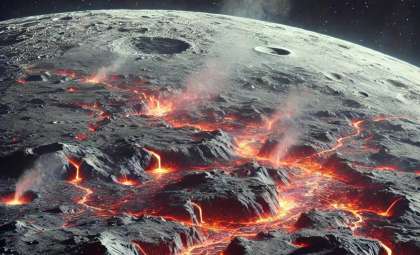
The potential discovery of water ice on the moon’s shadowed polar regions could revolutionize space exploration strategies. These persistently dark craters are believed to encapsulate large ice reserves, potentially sufficient to support sustained lunar colonies. While countries such as the United States and India have confirmed the presence of water in lunar soil, ice deeply embedded in shadowed craters remains largely unexplored yet crucial for future missions.
One major challenge lies in efficiently extracting usable water from the lunar ice. Not all ice is readily convertible into drinking water or life-support hydrogen and oxygen. Understanding the chemical makeup and accessibility of the ice will be critical before it can be harnessed effectively for human use. Engineers and scientists will have to conduct thorough analyses to establish viable extraction techniques.
Though primarily focused on detailed survey operations, the results from the Chang’e-7 mission could reshape future lunar expeditions. A confirmed abundance of ice would drastically lower mission costs by providing resources onsite, enabling technologies from oxygen production to refueling stations, and potentially enabling an enduring human presence on the moon.
- Categories:
- News






0 comments
Sign in to Comment