
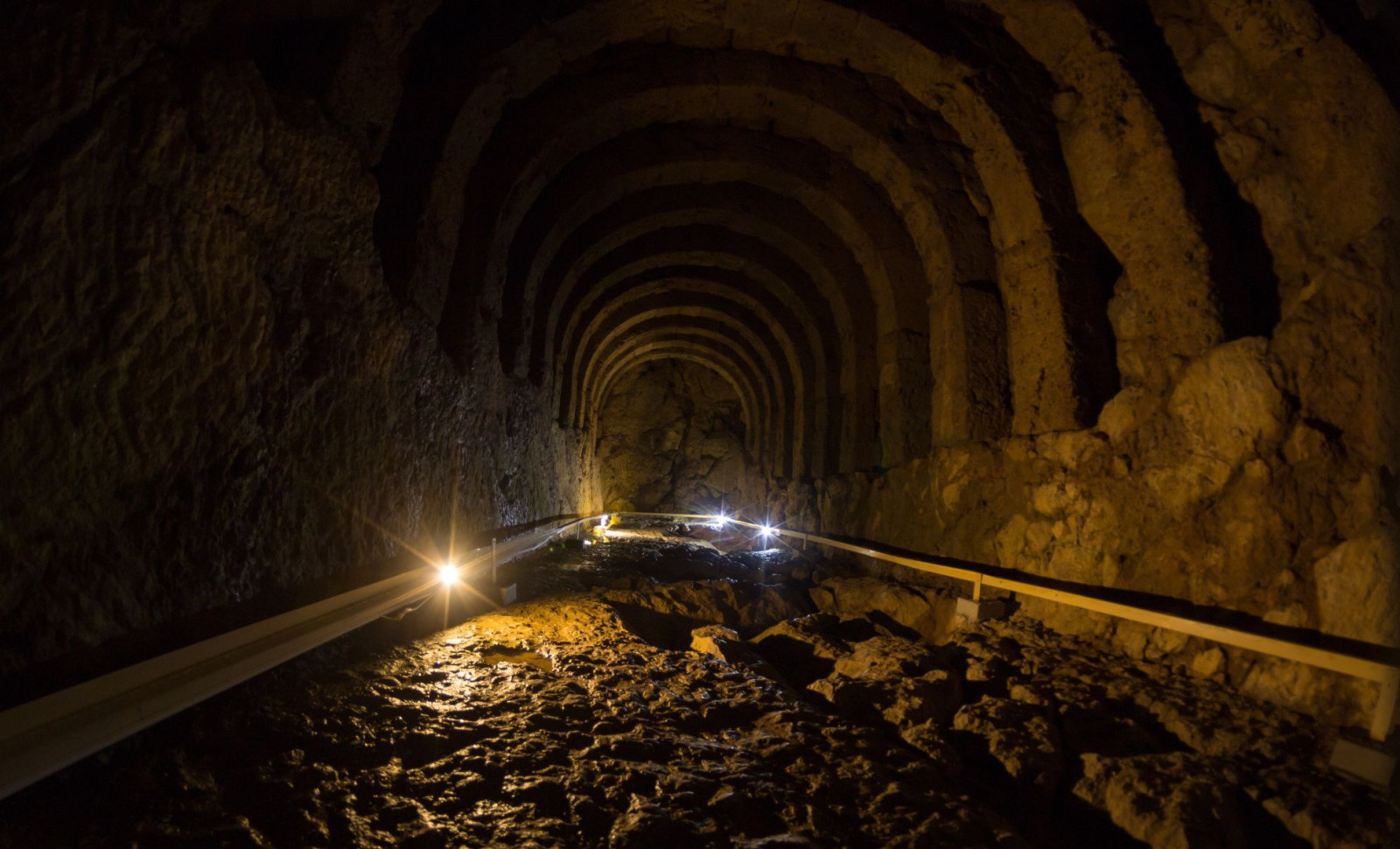
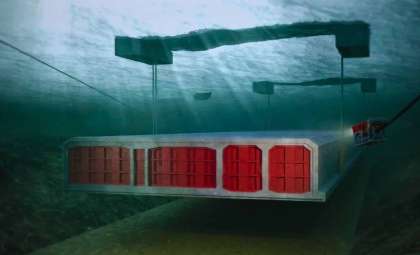
Norway is advancing the construction of Rogfast, an ambitious undersea tunnel extending 27 kilometers and plunging to a depth of 392 meters below sea level. When finalized, it will hold the record as the longest and deepest underwater road tunnel worldwide, playing a key role in Norway’s strategy to remove ferry routes on the E39 coastal highway.
Work on Rogfast began in 2018, but was temporarily halted during initial stages due to concerns about escalating costs. Construction restarted in 2021 following a project reorganization, with the tunnel expected to open by 2033. Valued at approximately 25 billion Norwegian kroner (around $2.4 billion), this project ranks among the most complex engineering feats currently underway in Europe.
Unmatched Accuracy and Extreme Conditions Beneath the Sea
The tunnel is being excavated simultaneously from both ends, aiming for a meeting point with a tolerance of less than 5 centimeters. Achieving this requires cutting-edge technology; CNN has detailed the use of laser scanning systems that capture about 2 million data points per second, creating a digital twin that is constantly cross-referenced with the design parameters.

Burkhard Boeckem, Chief Technology Officer at Hexagon, the firm providing these measurements, highlighted the importance of precision:
“If you deviate from this, you create so much more material that needs to be taken out, and then so much more to be filled in again, it’s a lot of whole trucks.”
This comprehensive infrastructure project aims to reduce travel time, enhance safety, and foster economic growth in northern coastal regions that have traditionally been difficult to access.
A New Benchmark in Submarine Tunnels
Compared to existing tunnels such as the rail-only Seikan Tunnel, which descends to 240 meters below the surface, and the Channel Tunnel reaching 115 meters, Rogfast will surpass them with its 392-meter depth, making it the deepest road tunnel beneath the sea ever constructed.
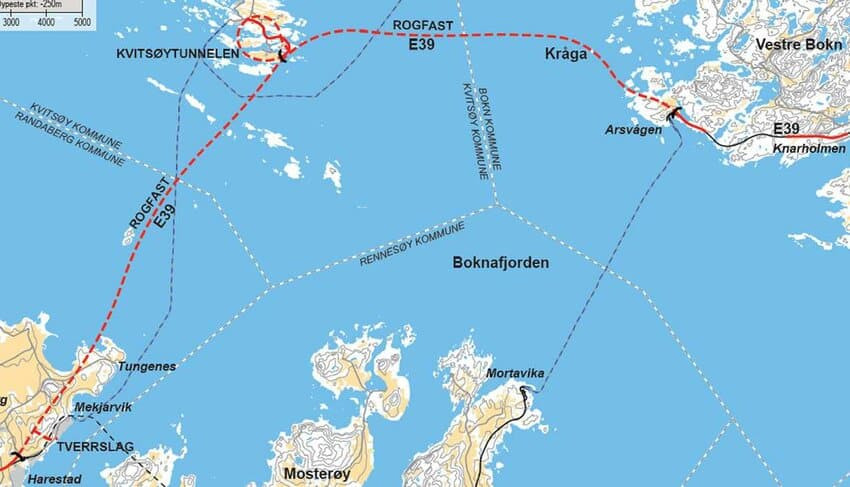
According to CNN, this tunnel will consist of two parallel tubes, each supporting two lanes of traffic, and will incorporate a double roundabout located at a depth of 260 meters. This connector leads to Kvitsøy, the smallest municipality in Norway.
Engineering Challenges Beneath the Ocean Surface
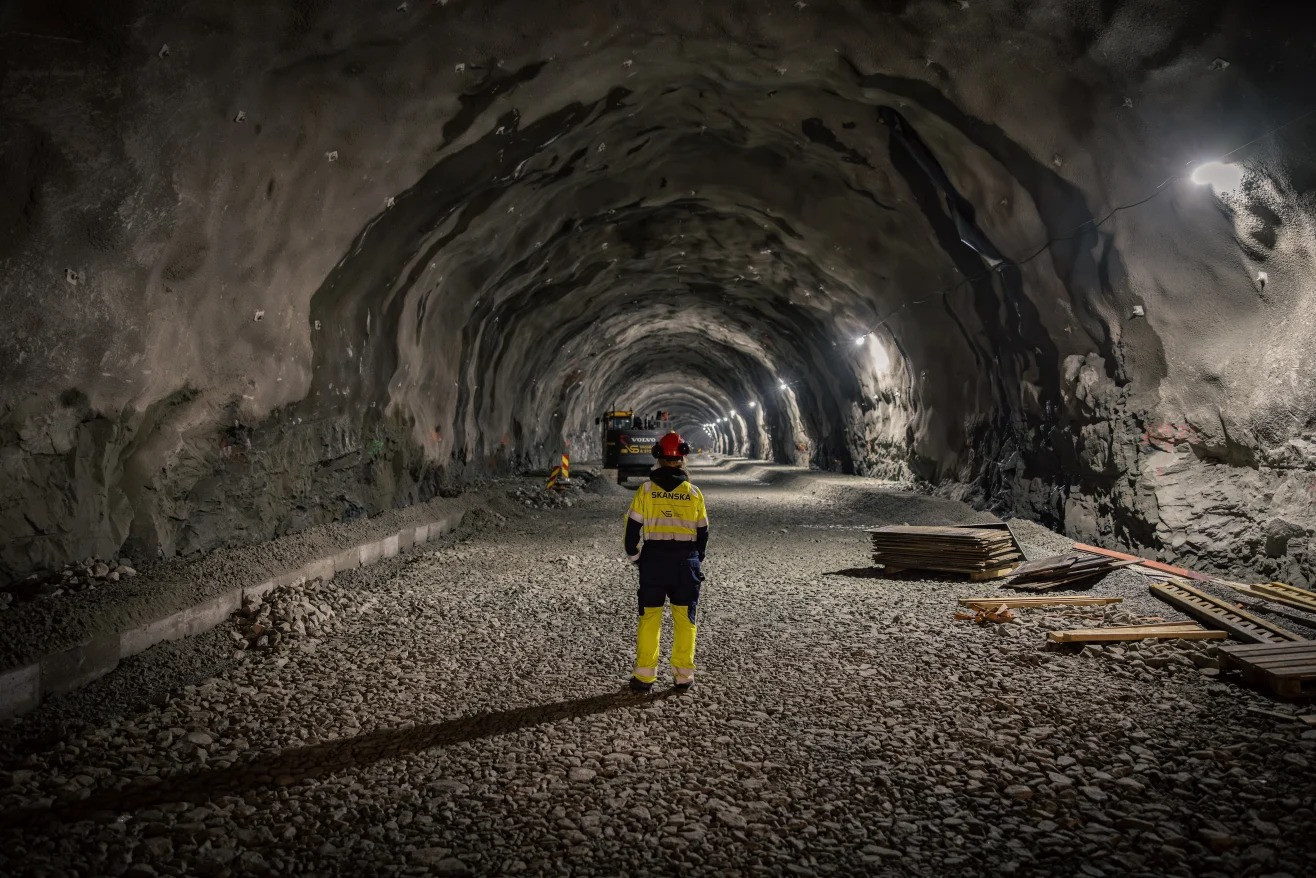
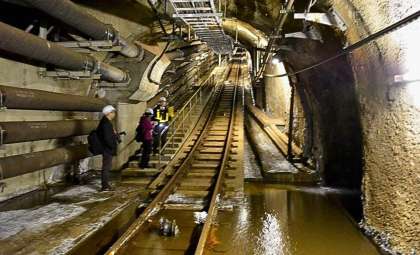
One of the critical hurdles during construction is ensuring the rock formations are properly sealed to keep seawater out. Project manager Anne Brit Moen from Skanska revealed to CNN:
“We are now 300 meters (984 feet) below sea level, and we have already had quite extensive saltwater leaks in the tunnel system.”
A major concern is maintaining adequate air quality within the 27-kilometer tunnel. This will be managed through a longitudinal ventilation method combined with air shafts leading to Kvitsøy, alongside real-time monitoring systems for safety including radar and alerts. Beyond construction, Moen noted the project’s broader impact:
“The project also creates substantial employment during construction and lays the groundwork for more sustainable and integrated regional development,” she said.
By replacing ferry crossings, Rogfast will improve access to employment, public services, and education while reducing shipping expenses for key industries like seafood.
- Categories:
- News










0 comments
Sign in to Comment