
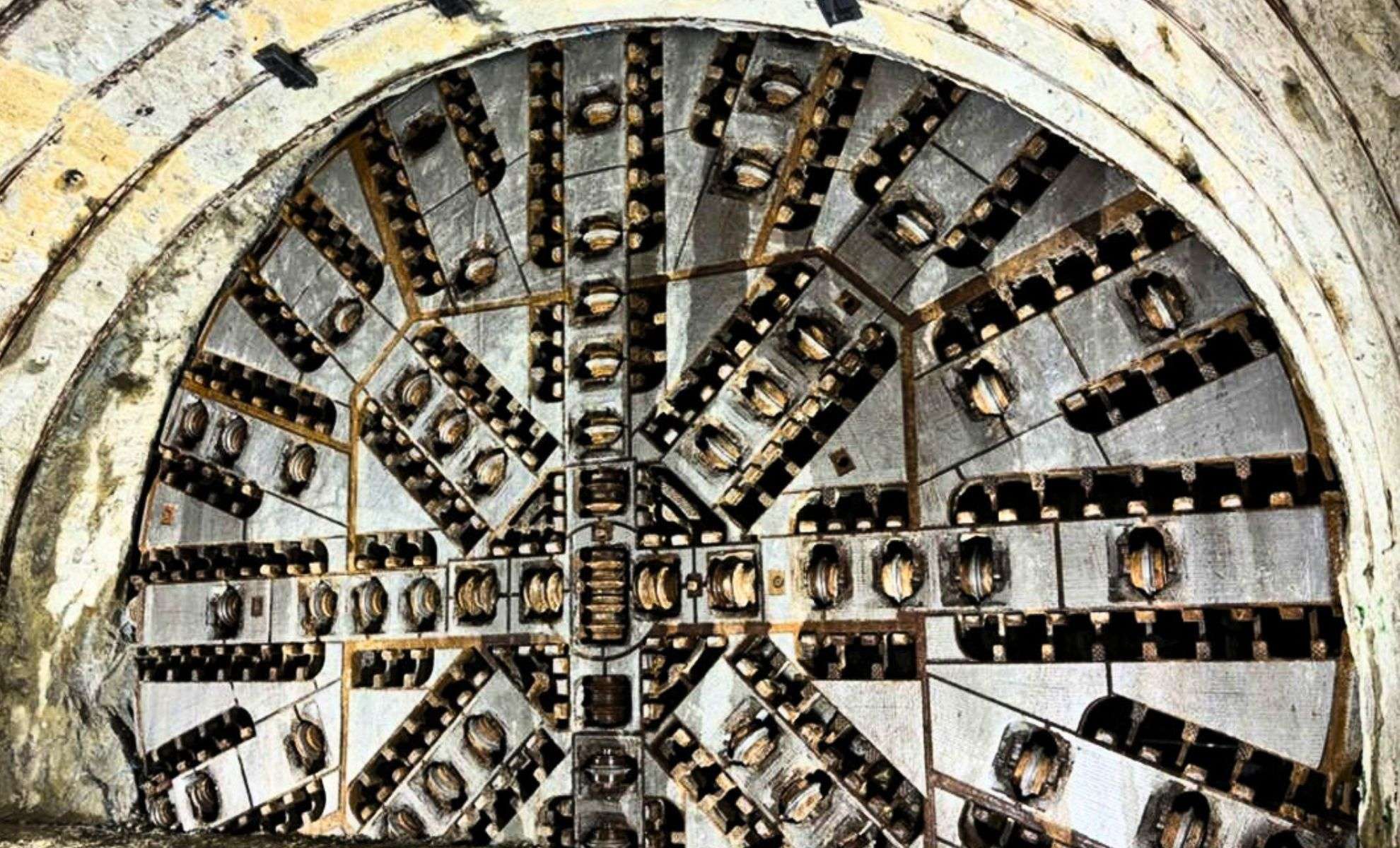
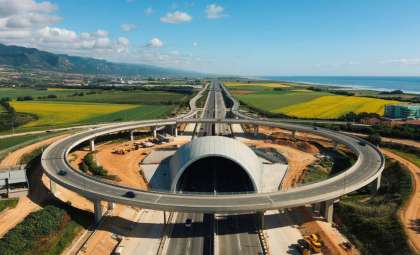
In early 2025, Hiroshima became the site of a groundbreaking engineering achievement with the deployment of an enormous Robbins slurry tunnel boring machine (TBM). Weighing an astounding 2,400 metric tons and boasting a diameter of 13.67 meters, this machine successfully tunneled 1.4 kilometers beneath the city's urban landscape. This project is part of the construction for the Hiroshima Expressway Line 5, an essential route designed to reduce congestion, improve connections to the national highway, and speed access to Hiroshima Airport.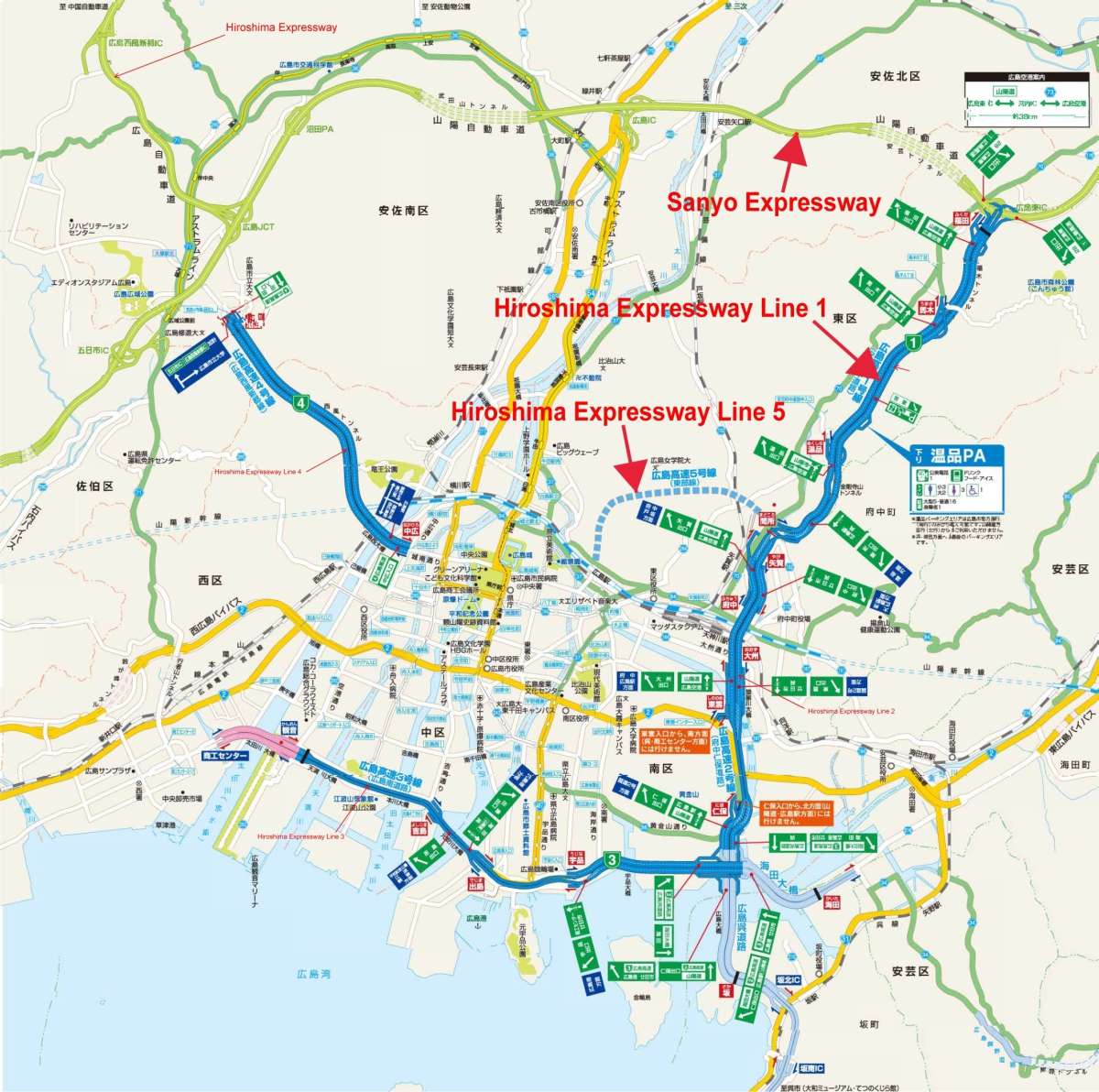
The standout aspect of this endeavor is that it marks Japan's first use of a foreign-built, large-scale tunnel boring machine to bore through native, highly resistant granite rock with compressive strengths up to 130 MPa, roughly quadruple that of typical concrete. Known for its domestic engineering solutions, Japan’s collaboration with the U.S.-based Robbins Company signals a notable evolution toward embracing international technological expertise.
Navigating the Challenges of Granite and Urban Density
This project was more than a standard excavation—it tested advanced engineering under intense geological and environmental conditions. With groundwater pressures reaching 13 bars—close to the TBM’s maximum handling capacity of 20 bars—the machine utilized sophisticated slurry technology to stabilize the excavation face and safely remove debris. Customized pressure-compensating disc cutters enabled the machine to grind effectively through harsh, fractured granite formations without damage.

Aboveground, the area posed additional constraints due to tightly packed residential zones and urban infrastructure. To minimize risks such as ground vibrations or sinking, engineers conducted horizontal exploratory drilling every 50 meters ahead of the machine, allowing them to identify geological faults and modify operations accordingly.
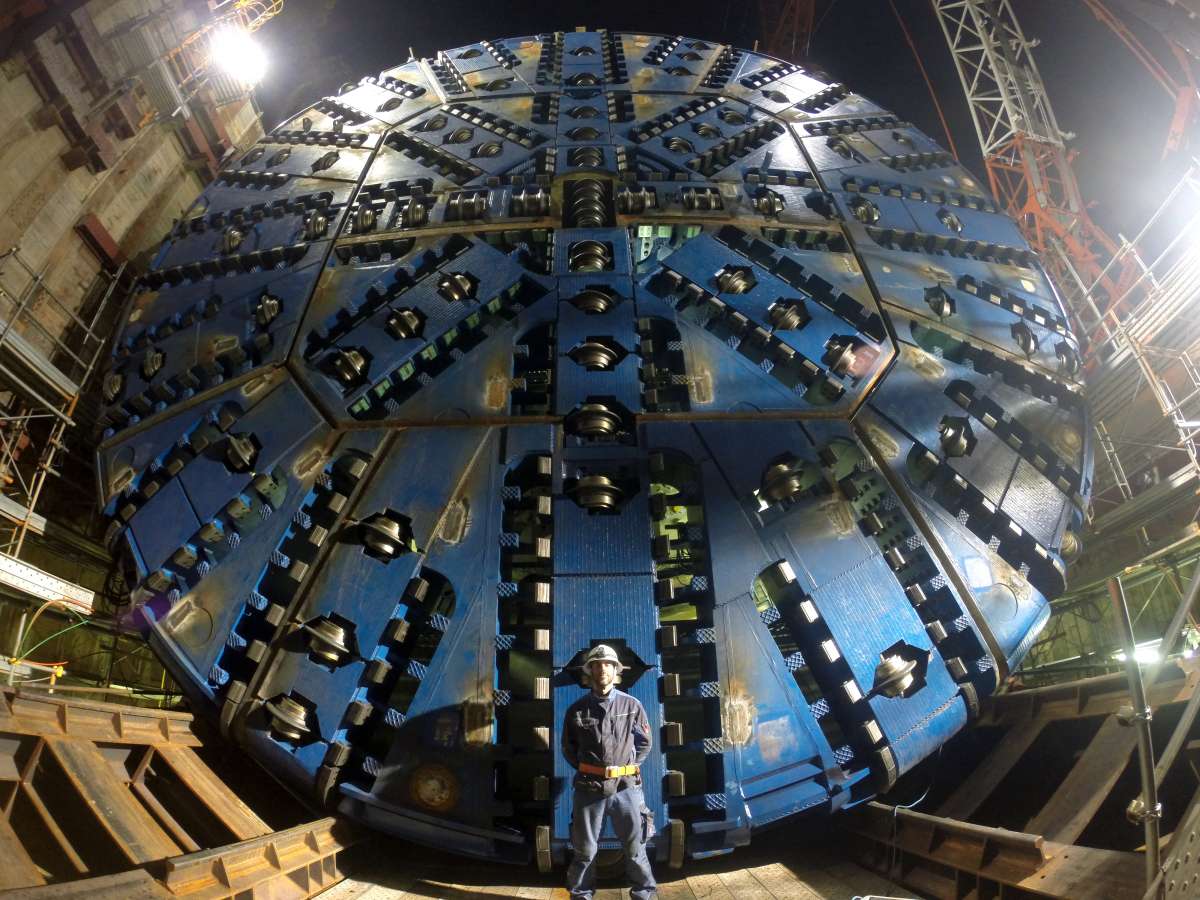
The operation faced space limitations too; the TBM was assembled onsite within a confined launch shaft covering only 30 by 60 meters. This required shipping components separately and employing Robbins’ specialized Onsite First Time Assembly (OFTA) technique. Despite these challenges, the entire tunneling process was completed in just eight months.
A Milestone Achieved with Quiet Confidence
On April 30, 2025, the TBM successfully punched through the final section, representing both technical mastery and a strategic milestone. The team and city officials marked the occasion with restrained celebrations, recognizing the long-term implications.
Tetsuya Taniguchi, Deputy Director at Japanese firm Obayashi, emphasized: “There are very few precedents for large-diameter tunneling in hard rock using slurry TBMs in Japan. Robbins’ disc cutter experience was excellent, and this project gave us valuable results and knowledge.”
At the same time, Shinichi Konda, Robbins’ chief engineer, expressed optimism: “We are proud of this tunnel being completed for the city of Hiroshima. From the complex machine launch to breakthrough, this project will have a huge positive impact.”
When finished around 2027, this tunnel promises to become more than just infrastructure — it will serve as a vital underground artery, enhancing commuting and economic flow in a city rich with history and forward momentum.
- Categories:
- News





0 comments
Sign in to Comment