
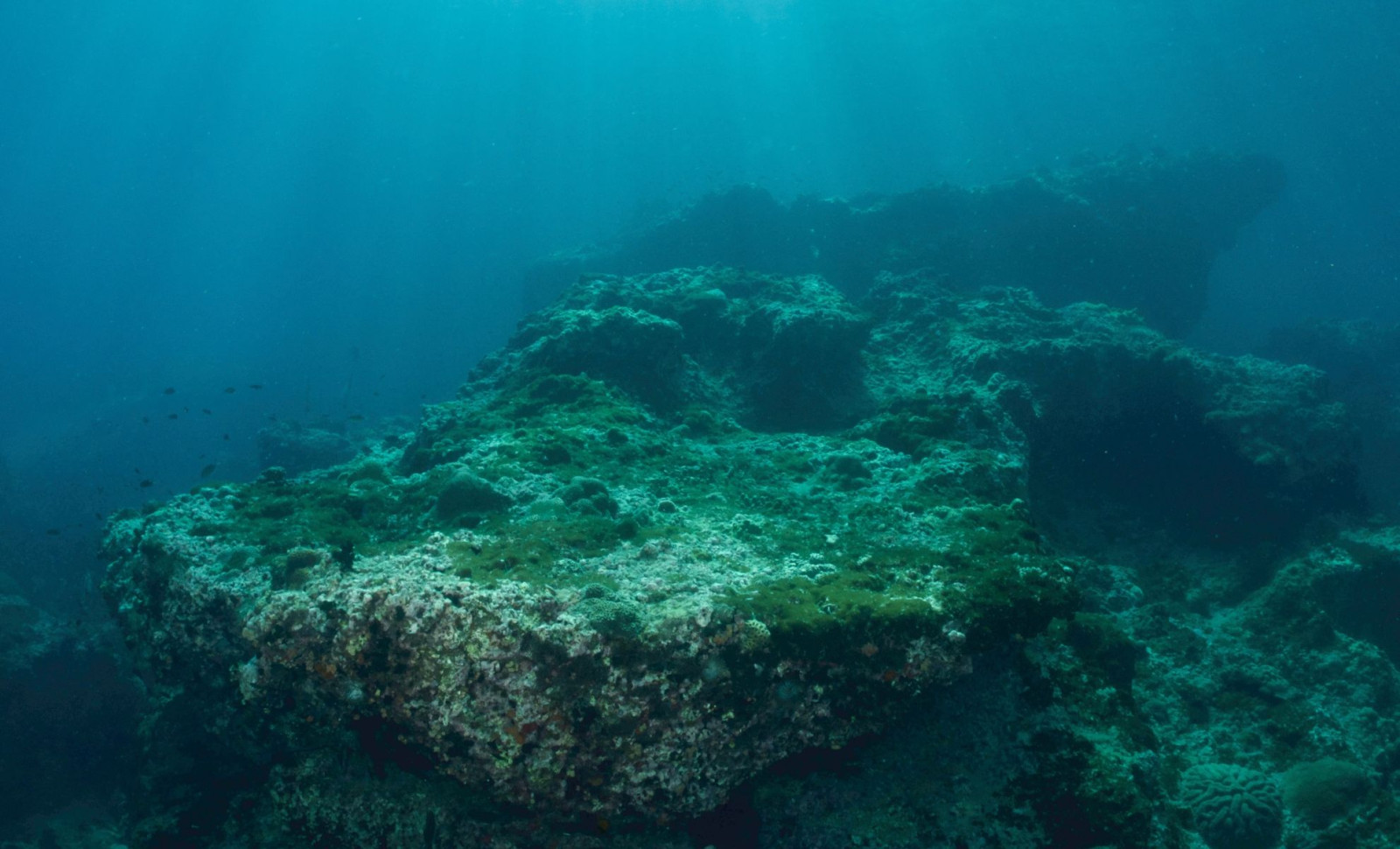
An extensive global investigation has revealed a wealth of previously unidentified species inhabiting the depths of the Pacific Ocean, illuminating a scarcely studied ecosystem that faces potential threats from deep-sea mining. While the research suggests mining may have a more limited environmental footprint than once feared, it also exposes notable declines in biodiversity in areas impacted by disturbance.
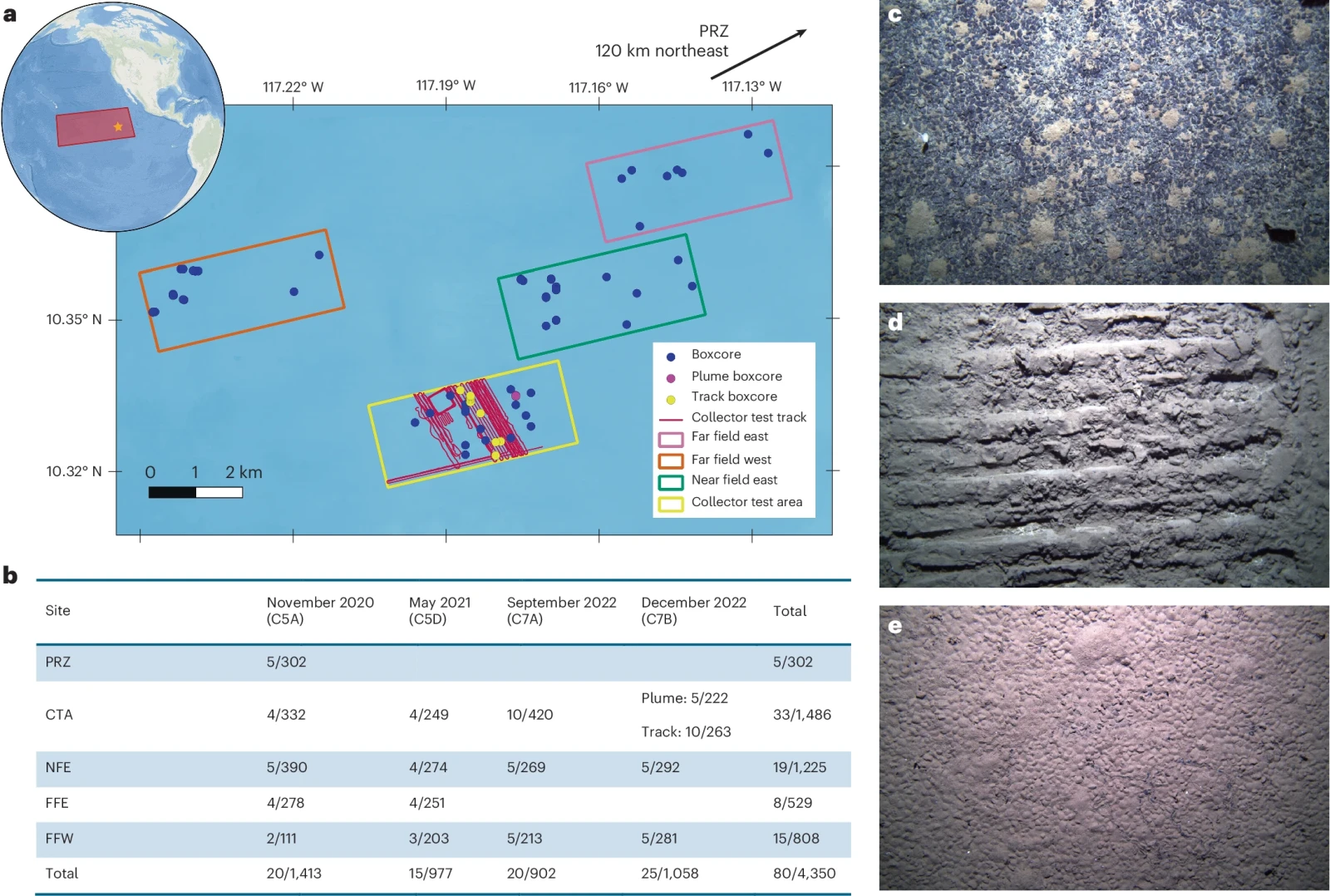
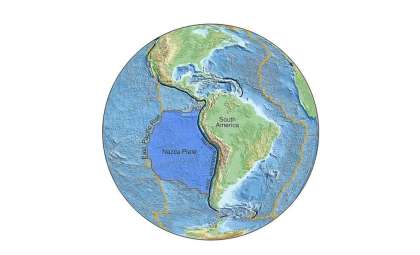
Spanning five years, the scientists focused their exploration on the Clarion-Clipperton Zone, a vast underwater territory located between Hawaii and Mexico. Their results, featured in Nature Ecology and Evolution, arrive amidst growing commercial and political momentum encouraging ocean floor mining for metals essential to green energy technologies.
Investigating the Ocean’s Hidden Depths
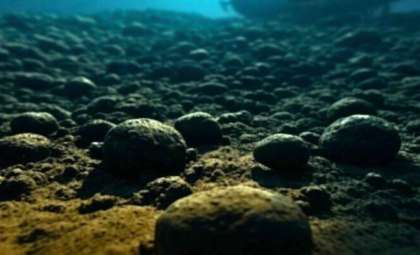
The Clarion-Clipperton Zone is among the planet’s least explored regions, positioned at a depth of about 4,000 meters below the sea surface. Marine biologist Thomas Dahlgren explained that despite its remote location, this area is rich in critical minerals like nickel and cobalt, yet has been largely ignored so far.

“Critical metals are needed for our green transition, and they are in short supply. Several of these metals are found in large quantities on the deep-sea floor, but until now, no one has shown how they can be extracted or what environmental impact this would have,” he said.
The team of international scientists who conducted this research, published December 5, 2025, invested a total of 160 days at sea over five years to meticulously catalog the region’s marine biodiversity.
With mining ventures advancing from theory to practice amid rising demand for key minerals, the group aimed to assess how extraction might affect these fragile deep-sea communities. Their research uncovered an unexpectedly rich array of organisms, many of which are entirely new to science.
Impact of Mining: Effects on Species Diversity
The report shows that regions affected by mining machinery experienced a 37% reduction in animal abundance alongside a 32% drop in species variety. This underscores the tangible harm mining can inflict on the delicate ecological balance of the deep ocean floor, where sediment layers grow at an extremely slow pace — roughly one-thousandth of a millimeter annually. Given these sluggish recovery rates, even minimal disruptions could produce long-lasting effects on local marine populations.
Although the overall environmental damage from mining may be less severe than earlier predictions suggested, the scientists caution that the impact is still substantial and requires vigilant oversight, especially as deep-sea mining efforts ramp up. As Dahlgren remarked, these insights are vital for the International Seabed Authority (ISA), which governs mining activity in international waters.
Remarkable Find: Hundreds of Species Newly Recorded
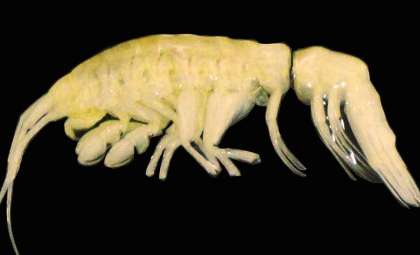
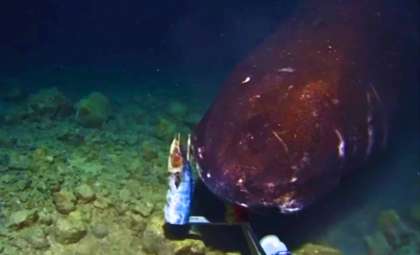
One of the research’s most remarkable outcomes was identifying nearly 800 species inhabiting the seafloor, many of which are unfamiliar to science. These include various marine bristle worms, crustaceans, and mollusks, revealing how little is known about life in this dark, nutrient-poor environment deep below the ocean’s surface.
Marine scientist Adrian Glover, a principal contributor to the study, stressed that this finding highlights the pressing need for further exploration of protected deep-sea habitats. Their conclusions were supported by DNA analyses that enabled classification of species not previously documented.
However, as Glover noted, much of the biodiversity in the Clarion-Clipperton Zone has yet to be fully mapped, with many species and their distributions still undiscovered.
- Categories:
- Science


0 comments
Sign in to Comment