
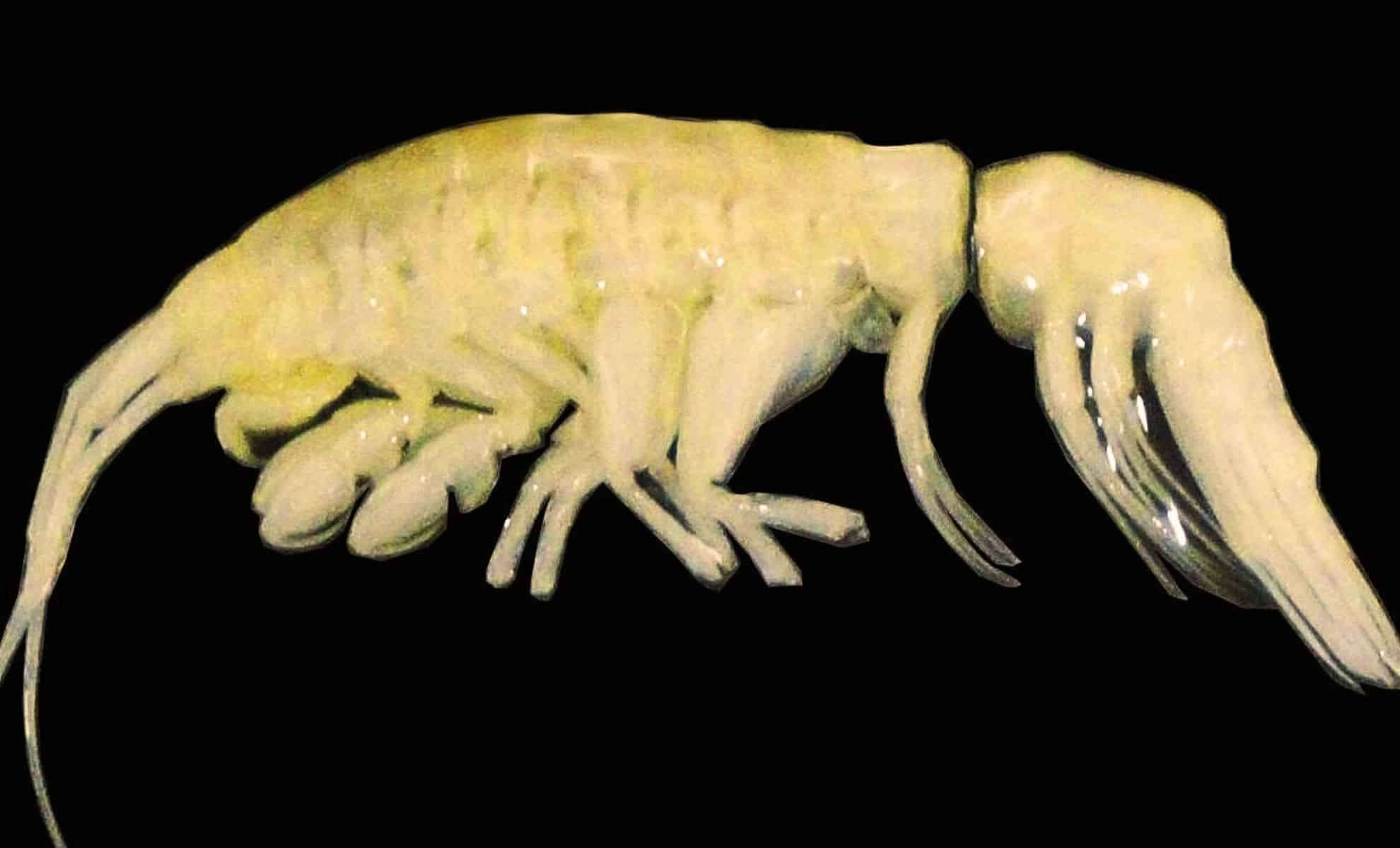
Researchers have uncovered a remarkable new species living in one of the ocean's most inhospitable regions. Nearly 8,000 meters beneath the Pacific Ocean’s surface, an astonishing predator has been identified, overturning long-held beliefs regarding deep-sea life. Until now, this extreme environment was thought to support mostly scavengers, but this discovery reveals a richer and more dynamic ecosystem than previously imagined.
A Novel Predator Emerges from the Depths of the Atacama Trench
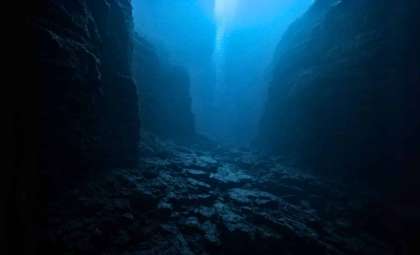
Located off the coast of Chile, the Atacama Trench is among the ocean’s deepest, coldest, and most pressurized habitats. For years, life in this abyss was believed to survive primarily by scavenging detritus falling from above. However, recent research, published in Systematics and Biodiversity, challenges this understanding.
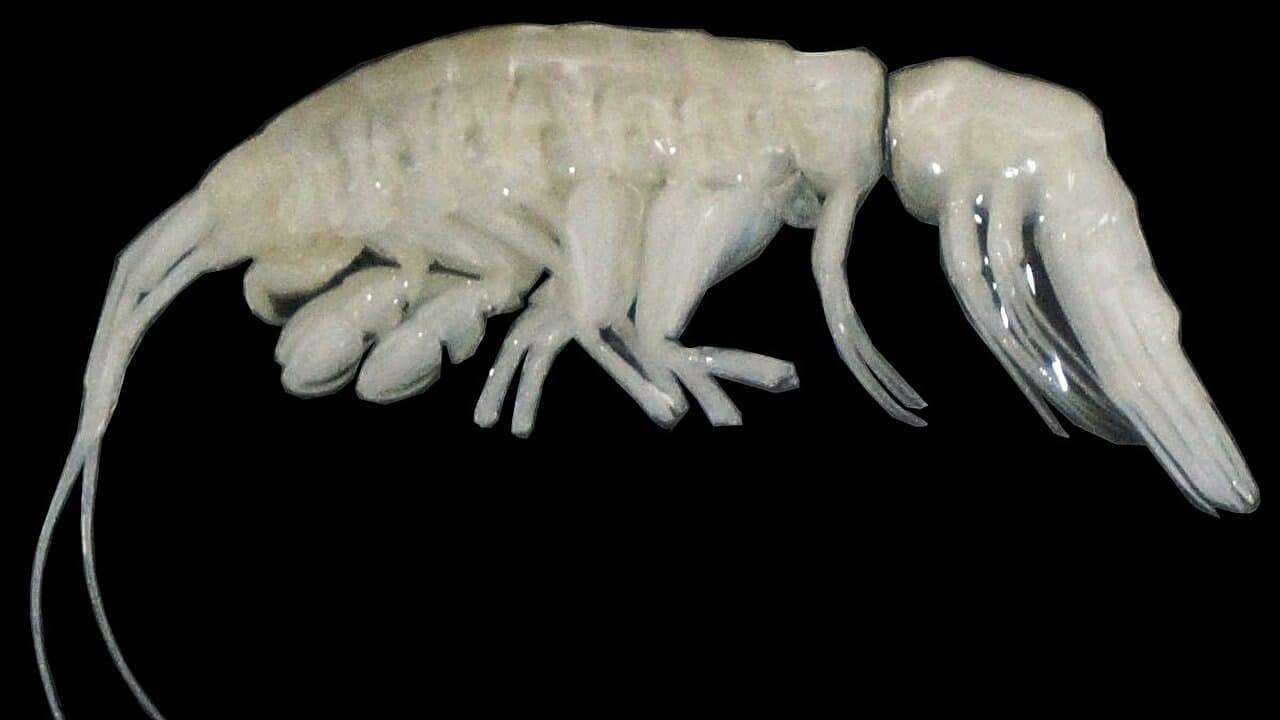
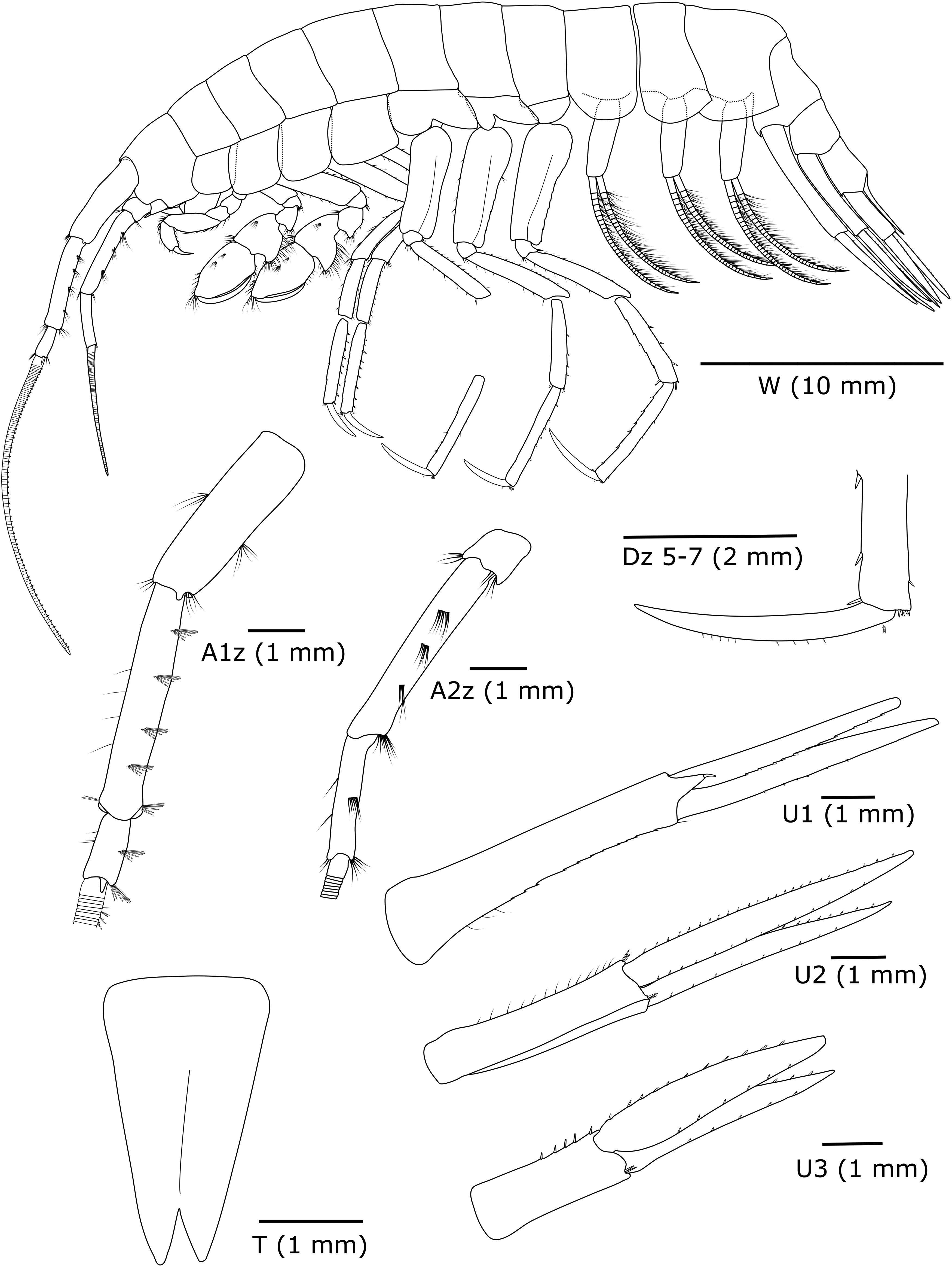
The species identified, Dulcibella camanchaca, is a small crustacean just shy of 4 centimeters long, marking the first known active predator inhabiting these extreme depths. Its streamlined form, nimble legs, and specialized mouthparts indicate it preys on smaller creatures like amphipods, revealing a surprisingly complex food chain below the waves.

Cutting-Edge Technology Uncovers a Hidden Hunter
This pivotal discovery emerged thanks to state-of-the-art tools and a committed scientific expedition. During an October 2023 mission aboard the R/V Abate Molina, a robotic lander was deployed into the trench. At a depth of 7,902 meters, the device collected specimens of Dulcibella camanchaca. Although a camera malfunction prevented live footage, DNA sequencing combined with detailed anatomical study confirmed the organism represents a previously unknown genus.
Finding this crustacean highlights how much remains to be unveiled in the vast and mysterious deep sea. Retrieving and analyzing genetic material from such crushing depths showcases the increasing sophistication of oceanographic research and points to the likelihood of many more hidden species awaiting discovery.
Understanding Abyssal Gigantism and Deep-Sea Adaptation
A notable characteristic of Dulcibella camanchaca is its unusually large size for a deep-sea species, an example of abyssal gigantism. Many organisms dwelling in the ocean’s greatest depths tend to be bigger than their shallow-water relatives, although the reasons remain speculative. Scientists hypothesize this may be an evolutionary trait aimed at conserving energy in an environment where food is limited.
The existence of this predator forces a reevaluation of deep-sea ecology, indicating that food webs in ocean trenches are more intricate than once believed. It demonstrates active predation plays a key role in maintaining the delicate ecological balance even in the planet’s most remote habitats.
- Categories:
- Science



0 comments
Sign in to Comment