

New findings from recent scientific research flip the usual view of cosmic rays as purely harmful to life. Instead, these high-energy particles might fuel life forms hidden beneath the frozen surfaces of our solar system's icy moons. A pioneering article featured in the International Journal of Astrobiology offers groundbreaking insights, proposing that cosmic radiation could supply the energy needed for microbial ecosystems beneath the ice of worlds like Europa and Enceladus, once thought too hostile to harbor life.
How Cosmic Rays Could Promote Extraterrestrial Life
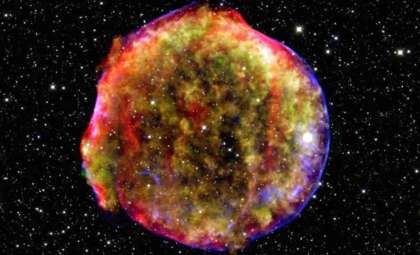
Cosmic rays are energetic particles originating from cosmic events such as supernova explosions, known primarily for their ability to damage living tissue by ionizing atoms and molecules. On Earth, our atmosphere and magnetic field protect us from these effects. Yet, the study suggests that on some moons, cosmic rays might be a key to sustaining life.
This potential comes through a mechanism called radiolysis, whereby cosmic rays break apart water or ice molecules, releasing energy that could support microbial metabolism. Such a process may allow life to endure in remote environments lacking sunlight and warmth, challenging previous assumptions about habitable zones.

Possible Locations for Life Beyond Earth
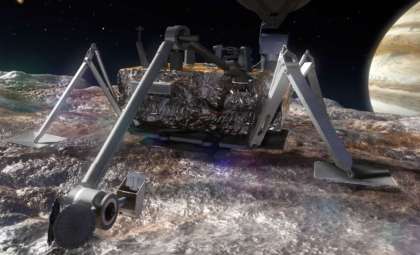
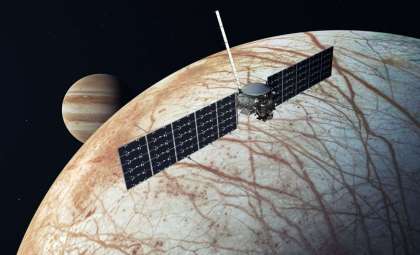
While the search for life traditionally targets planets with Earth-like climates and liquid water on the surface, this research expands the scope to icy, shadowed realms harboring subsurface oceans energized by cosmic radiation. Europa, Jupiter’s icy moon, features a vast ocean beneath its frozen crust, which cosmic rays might energize, allowing microscopic life to survive there.
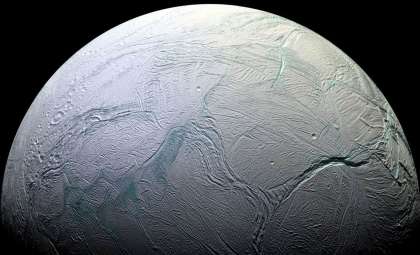
Similarly, Saturn’s moon Enceladus possesses hidden oceans beneath its icy shell, potentially interacting with radiation to create conditions supportive of life. These discoveries imply that life could exist in environments previously dismissed as too extreme, widening the possibilities for extraterrestrial biology within our own solar system.
Rethinking Astrobiology’s Frontiers
“This insight changes our understanding of where life could flourish,” explains Dimitra Atri, an astrobiologist at New York University Abu Dhabi. Instead of limiting studies to warm, sunlit planets, this research advocates exploring cold, dark worlds with subsurface water influenced by cosmic radiation. Atri emphasizes, “Life might persist in more unexpected places than we have previously considered.”
By refocusing scientific efforts on moons like Europa and Enceladus, the study enhances the potential of detecting extraterrestrial life. It also highlights cosmic rays as an unexpected energy source vital to sustaining microbial ecosystems in icy environments.
Mars Joins Moons as Possible Habitats for Life
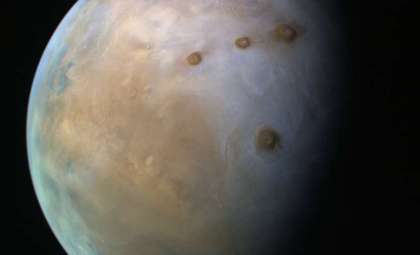
Mars, often a central figure in the search for extraterrestrial organisms, also features in this study due to its subsurface water and history of surface liquid water. Cosmic rays penetrating underground ice might provide enough energy to fuel microbial life on the Red Planet, even without sunlight.
Nonetheless, the research emphasizes that Europa and Enceladus remain the most promising candidates for hosting life, with their concealed oceans protected by thick ice layers. These findings extend the horizons of astrobiology, suggesting that life could exist in the deep subsurface oceans of these distant moons.
- Categories:
- News




0 comments
Sign in to Comment