
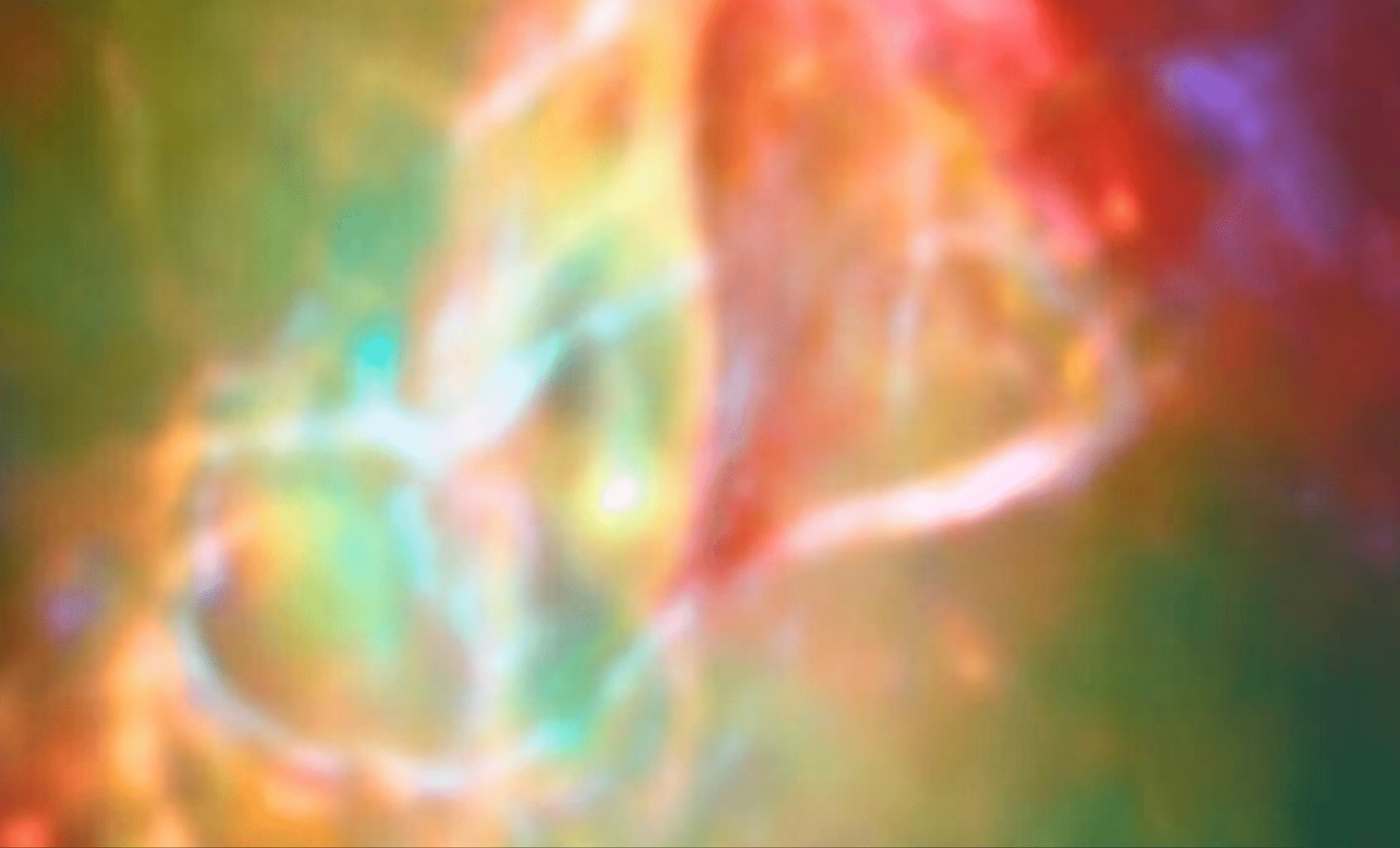
Cutting-edge instruments like the James Webb Space Telescope (JWST) are giving astronomers an unprecedented window into the origins of planetary systems. Newly analyzed data from the Butterfly Nebula, located 3,400 light-years away, offer compelling evidence that star-produced dust plays a fundamental role in the early stages of Earth’s development. A recent paper featured in The Monthly Notices of the Royal Astronomical Society (Matsuura et al., 2025) explores how cosmic dust crystallizes, revealing mechanisms that may have sculpted our home planet.
Unraveling the Secrets of Cosmic Dust Formation
“For decades, the formation of cosmic dust in outer space has been a subject of intense debate. Yet, observations made possible by the James Webb Space Telescope are bringing new clarity,” states Mikako Matsuura, astrophysicist at Cardiff University. Understanding the lifecycle of dust grains—sparked by the remnants of dying stars ejecting material into space—is crucial for comprehending how stars and planets take shape. The Butterfly Nebula stands as a prime example where dust is forged, some crystallizing under unique conditions, giving scientists clues about the raw elements that may contribute to life’s building blocks.
Thanks to JWST’s infrared vision, researchers can now investigate the nebula’s interior more deeply than ever, identifying both amorphous dust and intricately structured crystals formed in distinct cosmic environments. This breakthrough provides vital insight into cosmic evolution by revealing how dust particles might transform throughout space and ultimately participate in star and planet formation. Matsuura reflects, “Within a single nebula, we observed delicate crystalline formations emerging in stable regions alongside chaotic, soot-like dust generated in turbulent zones.” This duality broadens our comprehension of the fundamental materials shaping planets, including Earth.

Butterfly Nebula’s Central Role in Shaping Planetary Matter
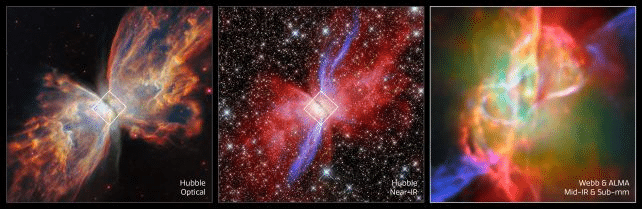
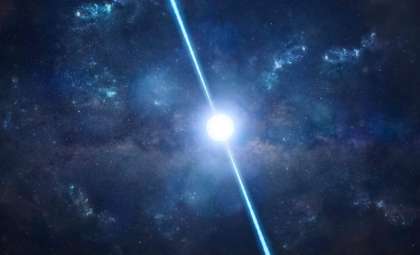
Situated in the southern skies within the constellation Scorpius, the Butterfly Nebula (NGC 6302) has long intrigued astronomers with its striking appearance and complex structure. The nebula formed as a result of a dying star shedding its outer layers, leaving behind a dense white dwarf. Its distinct butterfly-like shape arises from two opposing high-velocity jets blasted into space, crafting an environment ripe for dust formation studies.
This nebula is not merely a cosmic spectacle but also a prolific factory producing vital dust components rich in silicate minerals such as forsterite, enstatite, and quartz—key materials for building rocky planets. The revelation that these dust grains can crystallize even amid violent stellar ejecta is groundbreaking. These crystals have the potential to grow over extended periods, eventually merging into larger bodies that could serve as the seeds for new planets. Such findings within the nebula’s dense dust ring highlight essential planetary and stellar development processes and hint at the origins of life on Earth.
JWST’s Infrared Observations Revolutionize Nebula Research
The James Webb Space Telescope has transformed astrophysical investigations. In studies of the Butterfly Nebula, its ability to detect long-wavelength infrared emissions piercing thick dust clouds has unveiled previously hidden details. Infrared’s capacity to penetrate opaque dust makes it invaluable for examining nebular interiors. When paired with radio data from the Atacama Large Millimeter/submillimeter Array (ALMA), astronomers have constructed a thorough picture of the nebula’s intricate processes.
JWST identified both sizable crystalline dust particles and smaller, amorphous soot-like grains coexisting within the nebula. This combination hints at an ongoing transformation where some dust develops structured crystals, while other particles remain in a disordered form. This coexistence, seen in a single cosmic setting, reflects the diverse environments where dust can form—from tranquil regions to highly dynamic zones. This discovery underscores the complexity of the primordial ingredients that eventually coalesce into planets.
Polycyclic Aromatic Hydrocarbons: Piecing Together Life’s Cosmic Puzzle
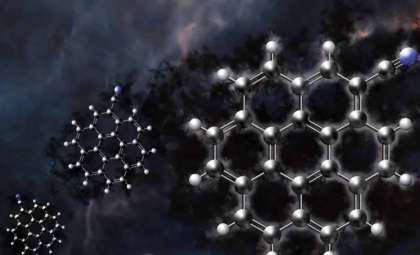
One remarkable aspect of this research is the identification of polycyclic aromatic hydrocarbons (PAHs) within the Butterfly Nebula. These carbon-ring molecules have been associated with hypotheses on life’s origins. Present throughout the interstellar medium, PAHs are believed to influence the chemical pathways that lead to life-related organic compounds on planets such as Earth.
Finding PAHs in the nebula’s oxygen-rich setting provides fresh insights into their cosmic distribution and role. This evidence aligns with theories suggesting that vital organic molecules existed well before Earth’s formation, potentially interstellar hitchhikers that integrated into nascent planetary systems. By examining these molecules more closely, scientists are advancing their understanding of how life’s essential components might have been delivered to Earth or other planets early in their histories.
- Categories:
- News


0 comments
Sign in to Comment