
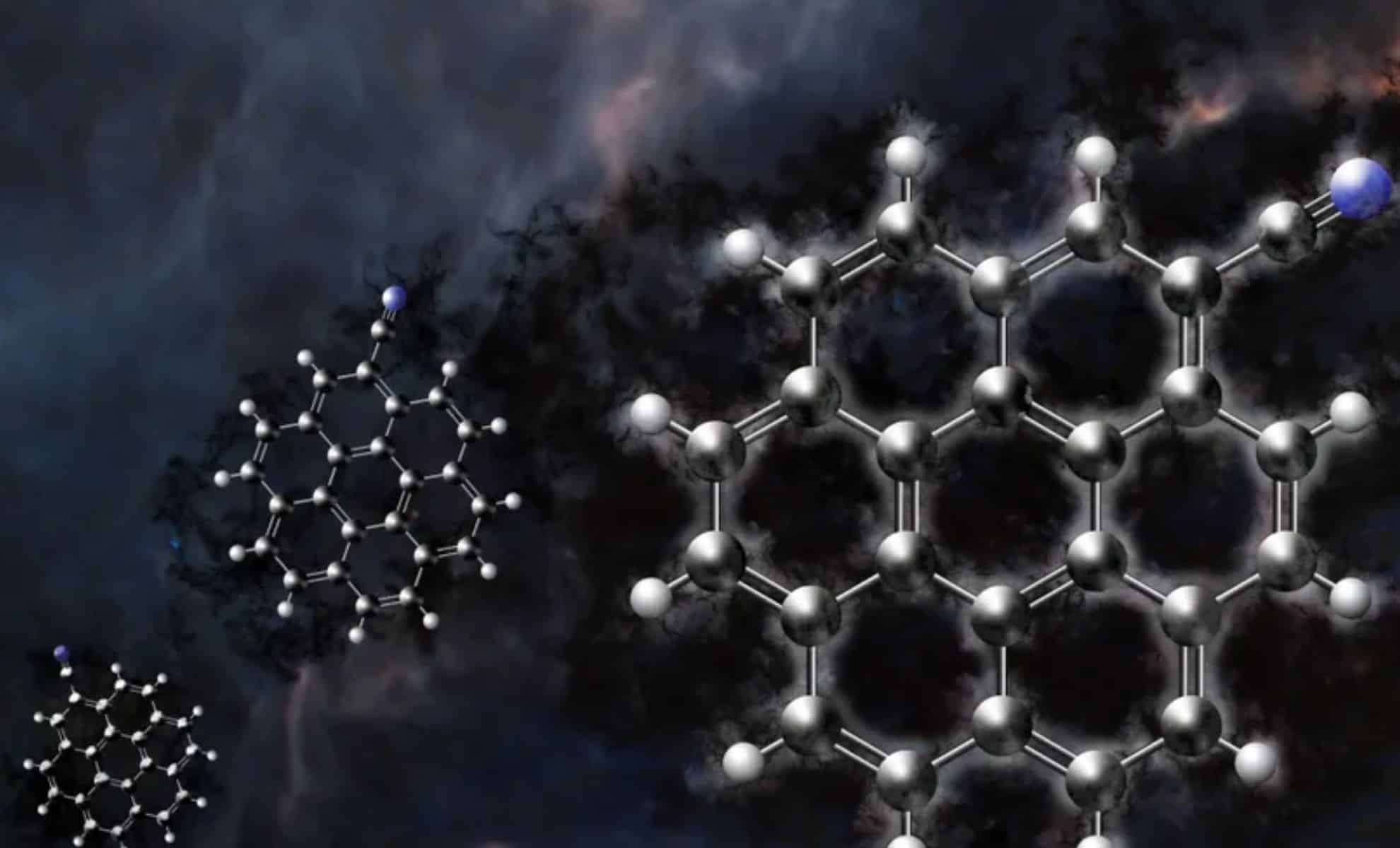
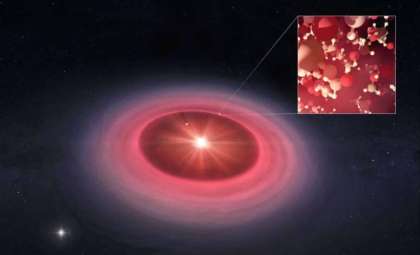
In a remarkable advance, scientists have identified a substantial organic molecule in space that may serve as a key precursor to life. Researchers have detected cyanocoronene, a type of polycyclic aromatic hydrocarbon (PAH), within the Taurus Molecular Cloud, a well-known nursery for new stars. This discovery challenges previous assumptions, highlighting that vital organic compounds essential for life can develop even before stars form. National Radio Astronomy Observatory (NRAO) findings offer fresh perspectives on the prebiotic chemical processes occurring during the earliest stages of star and planet formation.
Significant Breakthrough in Space Chemistry
Cyanocoronene is part of the PAH family, a group of organic molecules composed of multiple interconnected aromatic rings. These chemicals are pivotal not only because of their large molecular structure but also due to their role in sequestering carbon, a fundamental element tied to life. PAHs are believed to capture a major fraction of cosmic carbon and influence the chemical pathways that give rise to stars and planetary systems. The identification of cyanocoronene, notably larger than PAHs previously found, implies a greater abundance and diversity of these molecules in the cosmos than was once thought.
The detection was made possible by the Green Bank Telescope (GBT) in West Virginia, the world’s largest fully steerable radio telescope specially equipped to observe faint signals from cold, dense cosmic regions like the Taurus Molecular Cloud. Renowned for nurturing early star-forming systems, this area now stands out as a critical environment for understanding how essential organic molecules, foundational to planet and possibly life formation, take shape.

Elucidating the Importance of PAHs in the Interstellar Medium
This finding marks a major step in unraveling the complex molecular chemistry present in space. According to the research team, “The discovery significantly expands the known size range of PAHs detected beyond previous limits.” Molecules such as cyanocoronene are suspected to be vital components of the interstellar medium, acting as reservoirs of carbon and potentially serving as the chemical foundation for complex organic compounds linked to life.
By investigating cyanocoronene and its formation mechanisms, scientists gain insights into how organic molecules arise under the frigid conditions of interstellar space, often through reactions involving coronene and cyanide radicals. This discovery reinforces the notion that intricate organic chemistry can develop in the cosmic environment well before stars ignite, opening new possibilities for studying the evolution and interaction of these molecules in varied celestial settings.
Broader Impact on the Quest for Life Beyond Earth
This breakthrough is a crucial contribution to understanding life's cosmic beginnings and the role of organic molecules in space. Researchers highlight that detecting cyanocoronene advances efforts to answer the profound question: How do life’s molecular building blocks originate? MIT’s lead scientist Gabi Wenzel stated, “Each molecule we identify brings us closer to deciphering the universe’s complex organic chemistry and the potential roots of life itself.” These findings could reshape astrobiology research by expanding the exploration of how life-supporting conditions may arise on remote worlds.
For many years, the intricate processes behind star and planet formation have been a focus of study. The recent discovery of cyanocoronene and similar large organic structures now clarifies that the essential ingredients for life might be present far earlier than previously understood. Through studying these primordial molecules, astronomers can refine predictions about the environmental prerequisites for life’s emergence across the universe.
- Categories:
- News






0 comments
Sign in to Comment