
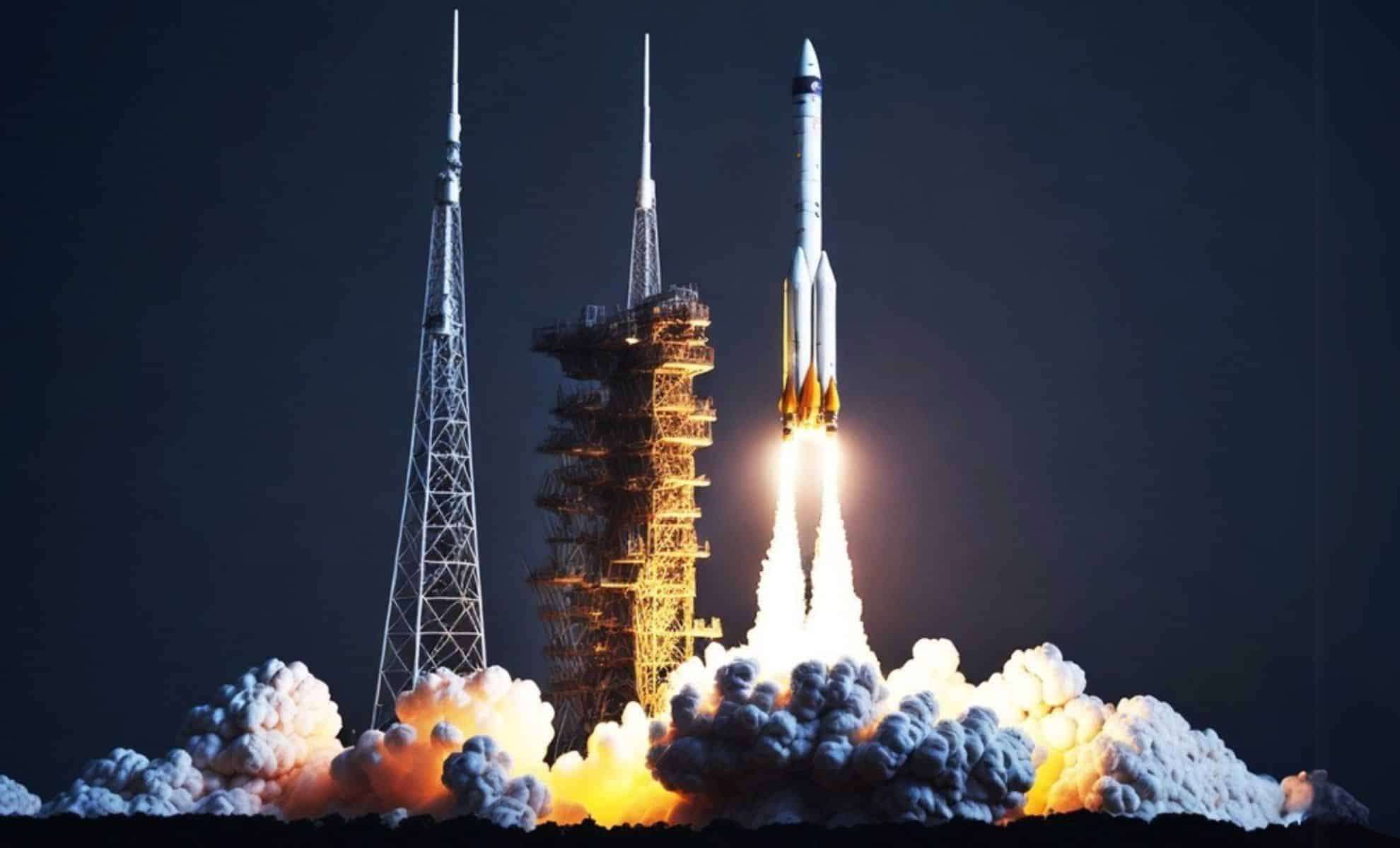
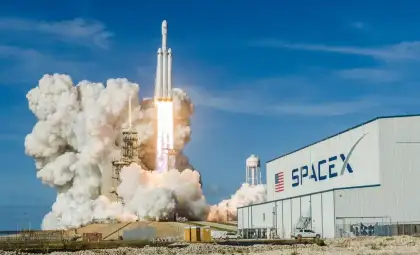
Under the leadership of Elon Musk, SpaceX is preparing for an unprecedented mission: launching the Starship spacecraft toward Mars as soon as next year. Musk’s announcement of this timeline has energized the aerospace community worldwide.
Should the mission succeed, it would represent a major milestone in humanity’s aspiration to not only visit the Red Planet but also establish a lasting human presence there.
Traveling to Mars presents immense challenges. Musk envisions humans not just reaching Mars but thriving there. The greatest hurdles lie beyond the voyage itself, focusing on astronaut survival and creating a self-sustaining colony.

This endeavor transcends SpaceX alone, embodying humanity’s ambition to become an interplanetary civilization. Despite the difficulties ahead, Musk’s history of pushing boundaries and meeting tough goals makes this undertaking particularly compelling.
Initial Unmanned Mission: Laying the Groundwork for Mars
As reported by the BBC, SpaceX’s first Mars venture will be an unmanned flight designed to evaluate key Starship technologies such as landing systems, cargo transport, and surface operations.
SpaceX aims to launch five Starship rockets during the upcoming launch window, an essential move to confirm the craft’s readiness for crewed exploration. This unmanned mission will uncover risks and refine the necessary equipment for sending astronauts in the future.
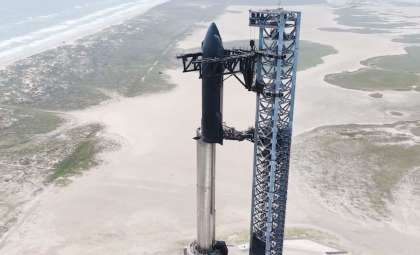
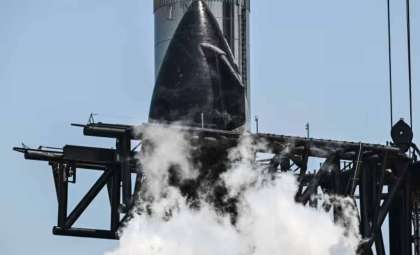
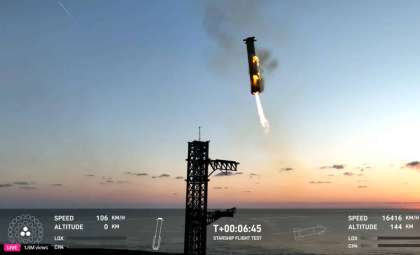
At a striking 123 meters high, Starship is the largest, most potent rocket constructed. Its fully reusable design promises to sharply reduce costs, paving the way for routine Mars travel. This technological leap is crucial for turning Mars habitation into a reality.
Introducing Optimus: Robots Leading Mars Exploration
One groundbreaking aspect of SpaceX’s Mars plans is Optimus, the humanoid robot developed by Tesla. Optimus will be the first to land on Mars ahead of human crews.
This robot will carry out vital tasks such as gathering soil samples and inspecting equipment, delivering invaluable data on Martian conditions and helping SpaceX reduce risks for future astronauts.
Musk envisions an expanded role for Optimus in Mars colonization, where robots could handle strenuous jobs like hauling heavy loads, resource collection, and infrastructure upkeep—duties that are too hazardous or routine for humans.
This robotic workforce will be key in creating a self-reliant Martian settlement, enabling people to focus on scientific research and agriculture.
Will Humans Set Foot on Mars by 2029?
Musk has projected a crewed landing on Mars by 2029, although many specialists estimate a more likely timeframe of 2031 due to technical and logistical complexities such as radiation hazards, reliable life support, and safe descent protocols.
The ultimate goal is to establish a self-sustaining metropolis on Mars, supported by technologies for producing food, water, and energy locally. Although the challenges are immense, SpaceX’s steady progress offers hope that a permanent Martian community is achievable.
Overcoming Barriers in Mars Travel
Mars expeditions face enormous obstacles. The distance between Earth and Mars changes, making optimal launch timing critical. Launch opportunities arise approximately every 26 months when the planets align advantageously. This limited window demands precise mission planning.
The Martian landing itself is difficult due to the planet’s thin atmosphere, which complicates deceleration during descent. SpaceX is developing sophisticated landing technologies to ensure Starship arrives intact – a vital component for success. Radiation also poses a serious threat.
Because Mars lacks a magnetic shield, astronauts will be exposed to dangerous cosmic radiation. Researchers are exploring options such as subsurface habitats and radiation-hardened materials to safeguard future crews.
Starship: Revolutionizing Interplanetary Travel
The Starship vehicle is central to Musk’s Mars mission. Its colossal capacity allows it to transport habitats, scientific gear, and life-support systems in a single trip. Its reusable architecture reduces mission expenses and makes repeated flights possible.
A standout feature is orbital refueling, which enables Starship to carry heavier payloads to Mars by replenishing fuel in space. This innovation drastically cuts costs for deep-space ventures. With Starship’s size and reusability, SpaceX is lowering barriers to ongoing interplanetary travel, setting the stage for a future where humans routinely visit distant worlds.
Implications for the Future of Space Exploration
A successful landing on Mars would be a historic win for both SpaceX and humanity. Such a breakthrough could motivate other private enterprises and agencies like NASA to enhance investment in the Red Planet’s exploration.
NASA’s Artemis initiative, focused on building a moon base, might act as a preparatory step for Mars missions. Collaboration between private firms such as SpaceX and governmental space organizations could speed up plans to establish a human outpost on Mars.
Through innovative design and rapid development efforts, SpaceX is pushing space exploration forward. The upcoming Starship Mars expedition may be the foundation for turning humanity into a multi-planet species. The world eagerly awaits as SpaceX ventures into this next frontier, with the potential for human footprints on Mars during the next decade.
- Categories:
- Space





0 comments
Sign in to Comment