
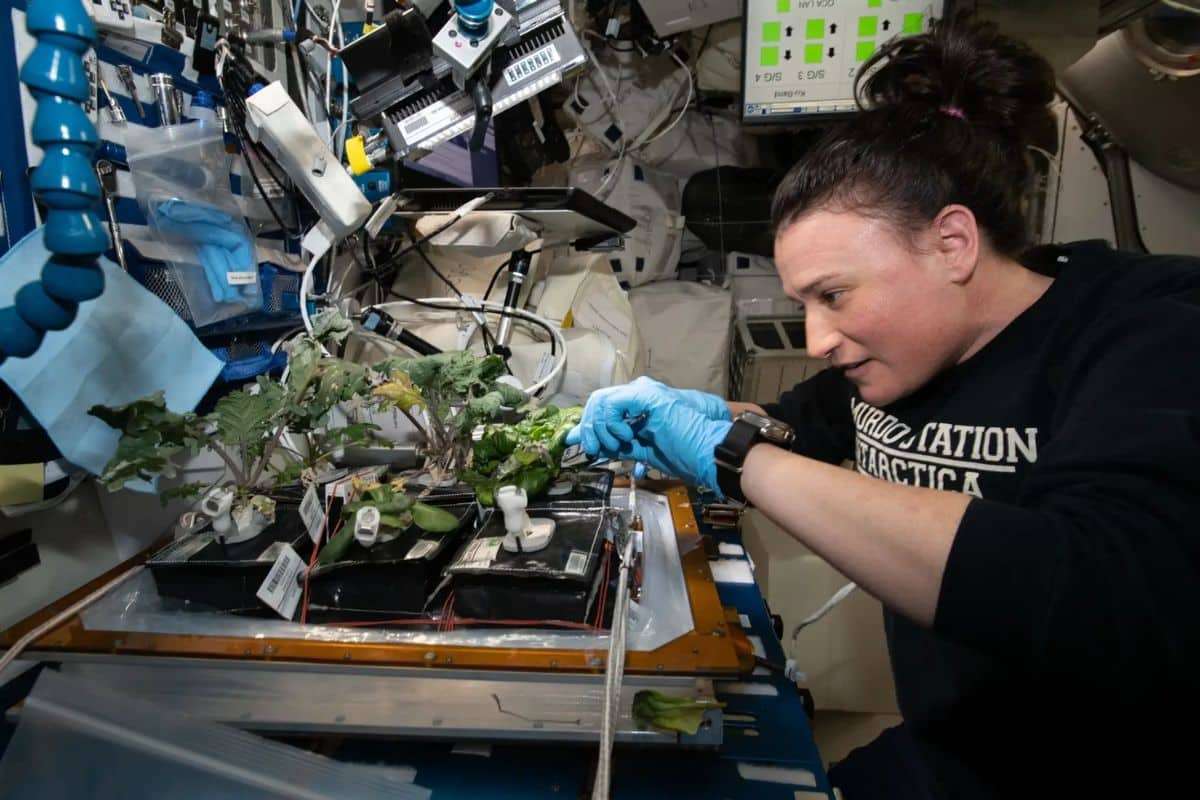
Exploring outer space has always required overcoming immense obstacles, with astronaut health and self-sufficiency during extended missions becoming a top priority. NASA’s pioneering efforts in cultivating nutritious plants beyond Earth aim not only to solve food supply challenges for space travelers but also to drive innovative breakthroughs for agriculture back on our planet. Central to this mission is the work of Dr. Gioia Massa, whose evolution from an inspired young visitor to a leading scientist in space botany is truly remarkable.
From Childhood Fascination to Space Science Leadership
Dr. Massa’s intrigue with space was sparked at age 12 during a tour of NASA’s Kennedy Space Center, a visit that set her ambition into motion. She merged her passion for biology and space by earning a doctorate in plant biology from Penn State University and completing a postdoctoral role at NASA. Mentored by Dr. Raymond Wheeler, she helped establish methods for growing fresh vegetables on the International Space Station (ISS).
Her commitment led her to become a project scientist at NASA, where she developed Veggie, an innovative compact plant-growth chamber designed for microgravity environments. Veggie revolutionized space farming by successfully growing crops like lettuce, mustard greens, kale, and vibrant zinnias aboard the ISS.

Veggie: Pioneering Farming in Microgravity
The Veggie system is ingeniously built. About the size of a portable suitcase, it employs LED lights and unique plant “pillows” that include a clay-based medium to supply water, nutrients, and air. Since its 2014 debut, Veggie has turned the ISS into a laboratory for space-based crop cultivation.
Beyond nutritional benefits, fresh space-grown crops help combat menu fatigue, elevate crew morale, and provide essential nutrients such as Vitamin C, which deteriorates in stored space food over time. This research also deepens understanding of the ideal light and environmental settings needed to optimize plant growth while limiting microbial threats.
For example, Massa’s studies reveal that blue-spectrum light enhances the synthesis of valued secondary plant metabolites. Controlled growth conditions have also proven effective in restricting harmful pathogens, ensuring the crops remain safe to consume in space.
Next-Gen Growth: Advanced Plant Habitat
Building upon Veggie’s success, NASA has introduced the Advanced Plant Habitat (APH), equipped with more than 180 sensors, automated systems, and sophisticated LED arrays for meticulous control over growing parameters. Massa’s current project, Plant Habitat-07, investigates how different moisture levels influence the health and microbial communities of red romaine lettuce.
The insights gained have profound relevance not only for cultivating plants in space but also for improving drought and flood resilience in terrestrial agriculture. This showcases the deep synergy between space innovations and sustainable farming here on Earth.
Exploring the Complexities of Space Plant Biology
Space introduces unique variables — like microgravity, elevated carbon dioxide, and constrained resources — that dramatically impact plant development. Scientists employ model species such as Arabidopsis thaliana to analyze changes in genetics, proteins, and metabolism in space-grown specimens. These findings could lead to bioengineered plants tailored for extraterrestrial farming.
A notable discovery involves the immune system of plants in microgravity. A fungal outbreak during a zinnia experiment exposed potential weaknesses in plant defense mechanisms in space, highlighting the need to address biological vulnerabilities for sustained food production on long missions.
Space Farming’s Impact on Earth’s Agricultural Future
NASA’s breakthroughs in space agriculture extend well beyond the cosmos. Techniques developed for growing crops without Earth’s gravity are informing strategies to enhance crop resilience under extreme environmental stresses like drought and flooding.
Additionally, systems like Veggie and APH inspire new urban farming models that optimize limited resources and improve yields, crucial as global population growth and climate change increasingly threaten food security worldwide.
Ultimately, NASA’s dedication to cultivating plants in space is not just about sustaining astronauts on Mars but about fostering a sustainable food future for all of humanity. Dr. Massa’s journey, from a childhood dream to spearheading revolutionary research, perfectly illustrates this innovative spirit.
- Categories:
- Space







0 comments
Sign in to Comment