
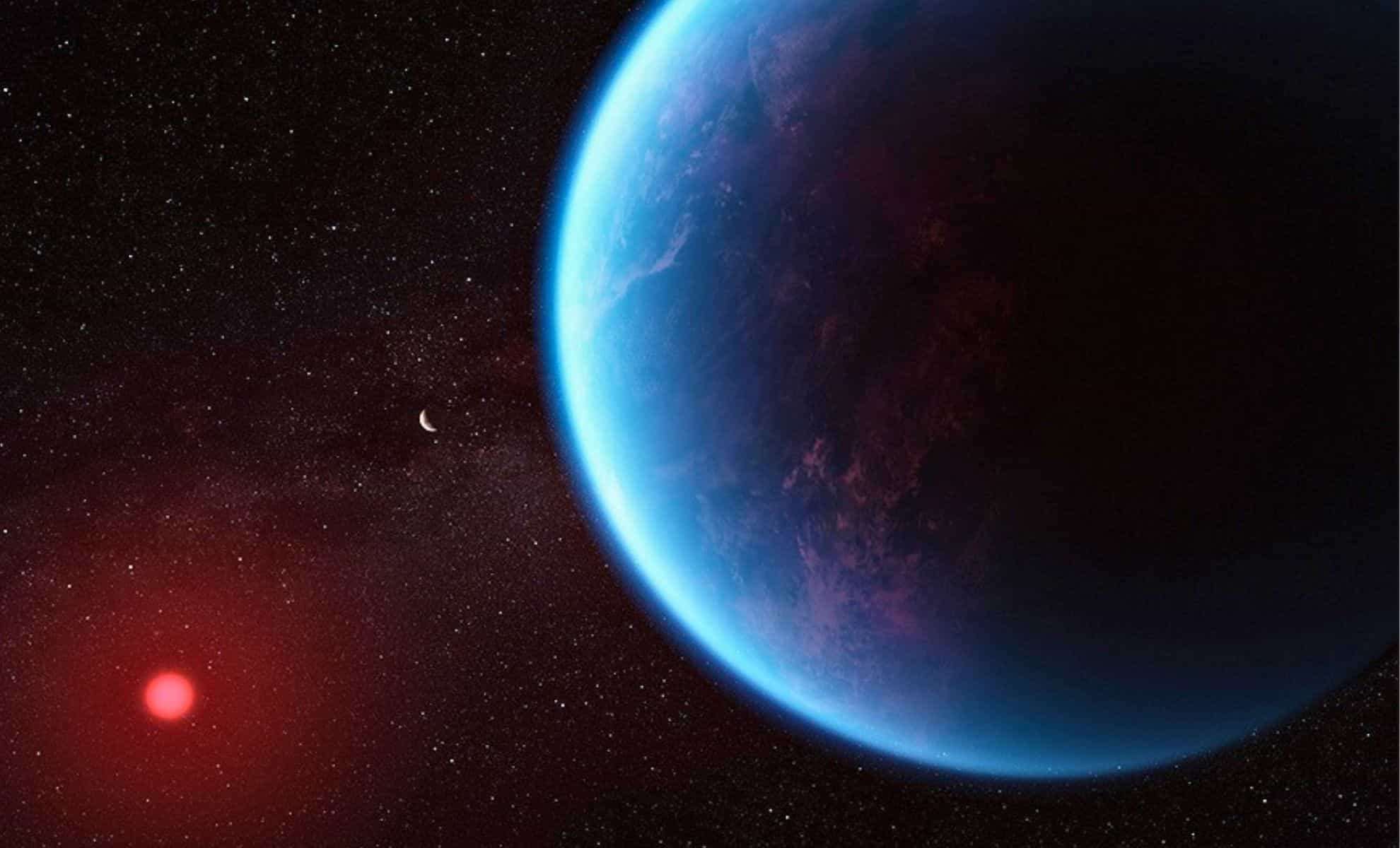
Exciting developments from space exploration: The James Webb Space Telescope has detected an extraordinary exoplanet that surpasses Earth in size and shows traces of a gas typically linked only to biological activity on Earth. This finding could mark a significant step forward in the search for extraterrestrial life.
K2-18 b: A Massive World Exhibiting Potential Signs of Biology
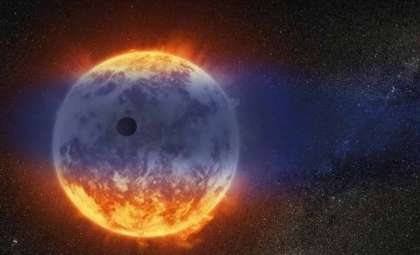
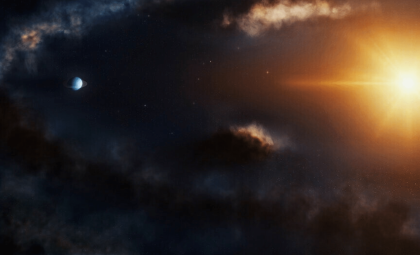
The exoplanet known as K2-18 b lies 120 light-years away within the Leo constellation, circling a cool red dwarf star called K2-18. This star’s smaller size and lower temperature might allow for conditions favorable to life on nearby planets. Classified as a sub-Neptune, a category absent in our solar system, K2-18 b measures 2.6 times Earth's radius and has a mass of 8.6 times that of Earth.
Initially discovered by NASA’s K2 mission in 2015, this planet has become the subject of intense atmospheric research, especially with recent observations conducted by the James Webb Space Telescope.

Highlights of the atmospheric analysis include:
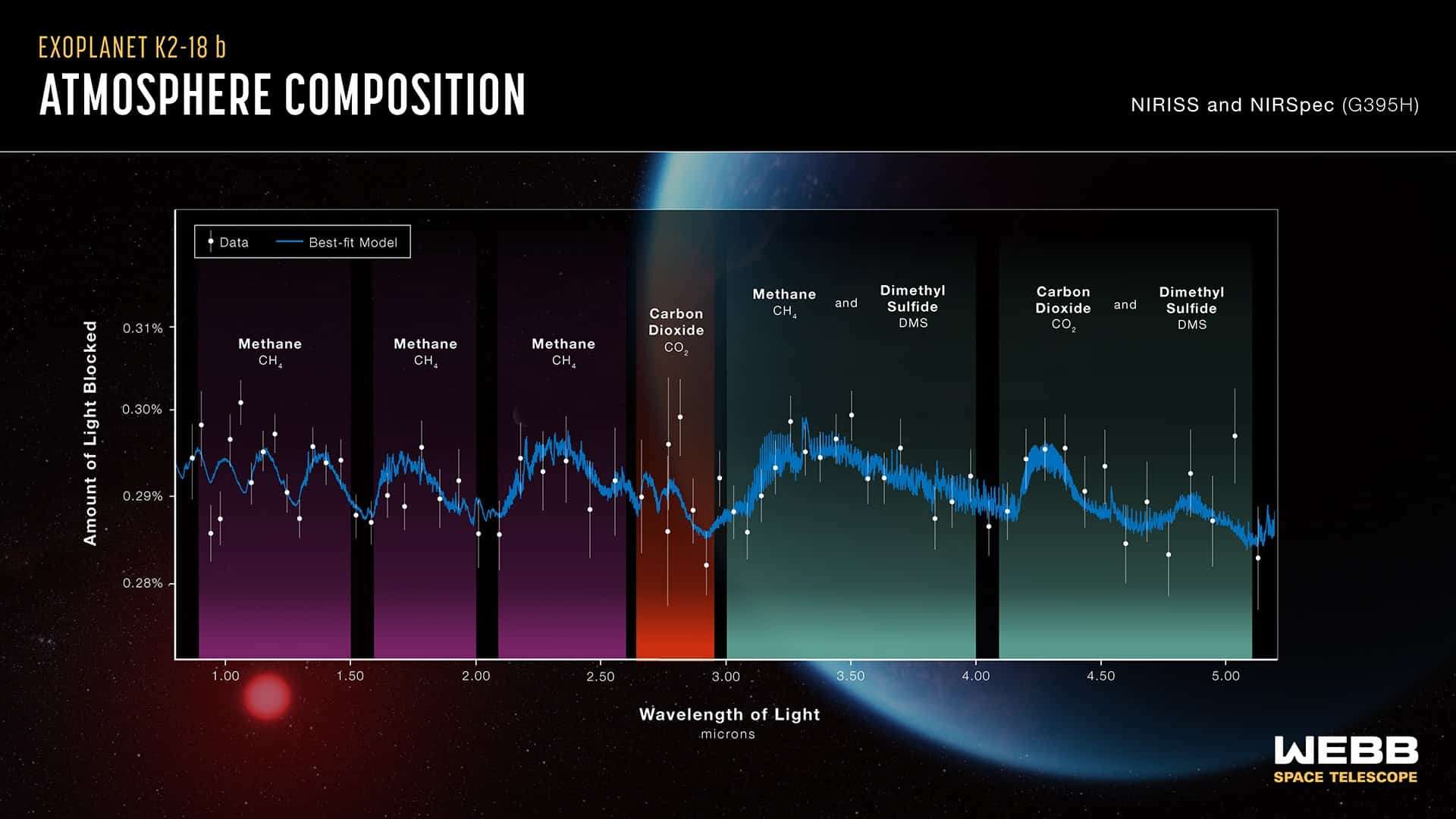
- Methane and Carbon Dioxide Presence: Detection of these carbon-containing gases points to dynamic chemical activity.
- Possible Dimethyl Sulfide (DMS): On Earth, DMS is exclusively produced by marine organisms, making its potential detection here noteworthy.
Could K2-18 b Be a Hycean-Type Planet?
The observed methane and carbon dioxide together with the apparent lack of ammonia bolster the idea that K2-18 b fits the profile of a Hycean world. These planets are characterized by thick hydrogen atmospheres and vast liquid-covered surfaces, which make them compelling prospects for hosting life beyond Earth.
Lead scientist Nikku Madhusudhan pointed out, “While life searches have traditionally targeted smaller rocky worlds, the larger atmosphere-rich Hycean planets present better opportunities for atmospheric detection.”
Nonetheless, K2-18 b’s substantial size suggests it may have a high-pressure ice layer beneath its gaseous envelope, potentially generating conditions too extreme for life as we recognize it.
K2-18 b’s essential details:
James Webb’s Breakthrough Atmospheric Investigations
The James Webb Space Telescope has played a pivotal role in unveiling the chemical makeup of K2-18 b’s atmosphere by observing starlight filtering through it during transits.
Key findings compared to previous missions:
- The data collected from just two transits with Webb matched what would have taken nearly eight years using the Hubble Space Telescope.
- These observations reveal distinct spectral fingerprints, enhancing our understanding of exoplanet atmospheres.
Upcoming observations will utilize Webb’s Mid-Infrared Instrument (MIRI) to further investigate potential DMS presence, expanding insights into the planet’s atmospheric conditions. Madhusudhan stated, “Such results are possible only due to Webb’s exceptional wavelength range and unmatched sensitivity.”
Possibility of Life and Habitability Considerations
Though K2-18 b lies within its star’s habitable zone, its giant size and dense atmosphere may produce hostile environments. Still, confirmation of DMS on the planet would represent a transformative discovery in the search for life-supporting worlds.
Astronomer Savvas Constantinou commented, “This work represents an initial glimpse of Webb's capabilities for studying planets in habitable regions.”
Future Directions in Exoplanet Research
NASA’s ongoing focus on Hycean exoplanets such as K2-18 b is reshaping our grasp of the diversity and potential habitability of alien worlds. Upcoming missions aim to validate DMS detection and deepen knowledge about these intriguing environments.
As Madhusudhan concluded, “Our mission remains to find life beyond Earth, which would revolutionize humanity’s perspective on the cosmos.”
This discovery moves us closer to unraveling one of humanity’s greatest mysteries: whether life exists elsewhere in the universe. K2-18 b serves as a promising landmark in this quest.




0 comments
Sign in to Comment