
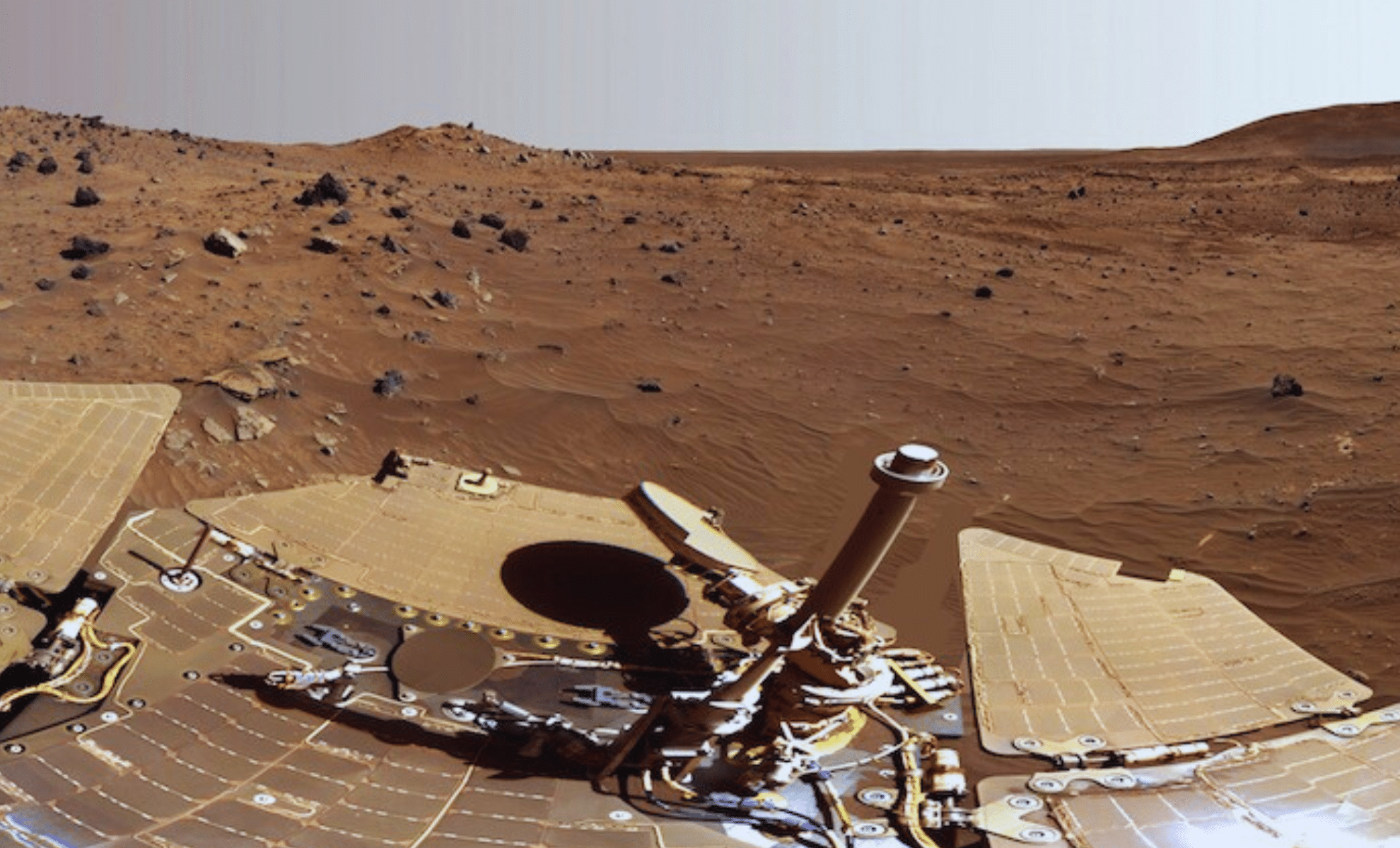
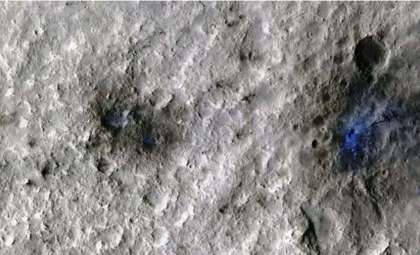
Researchers have found compelling proof indicating that Mars could have possessed hot spring environments approximately 4.5 billion years ago, potentially creating conditions suitable for life. This breakthrough is based on a detailed study of a Martian meteorite examined by scientists at Curtin University in Australia, shedding light on the early geological processes of the Red Planet.
Primitive Crystal Analysis Reveals Water Signatures
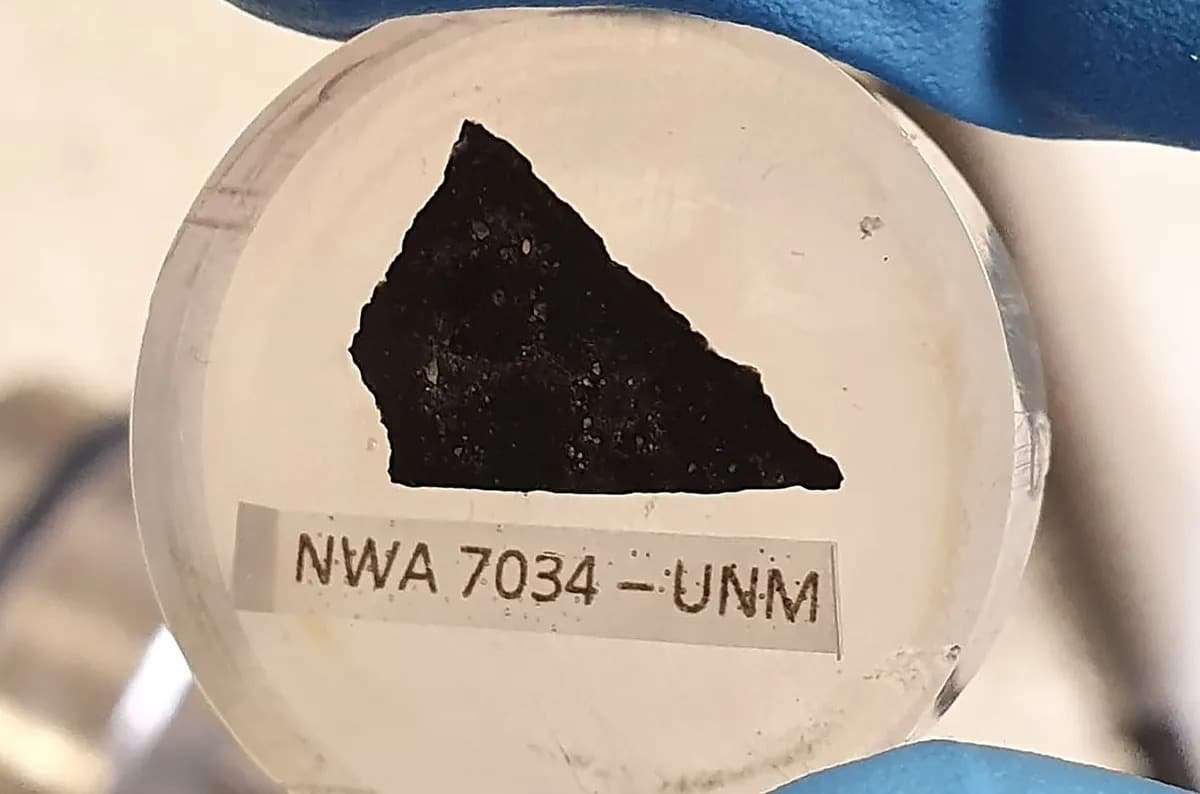
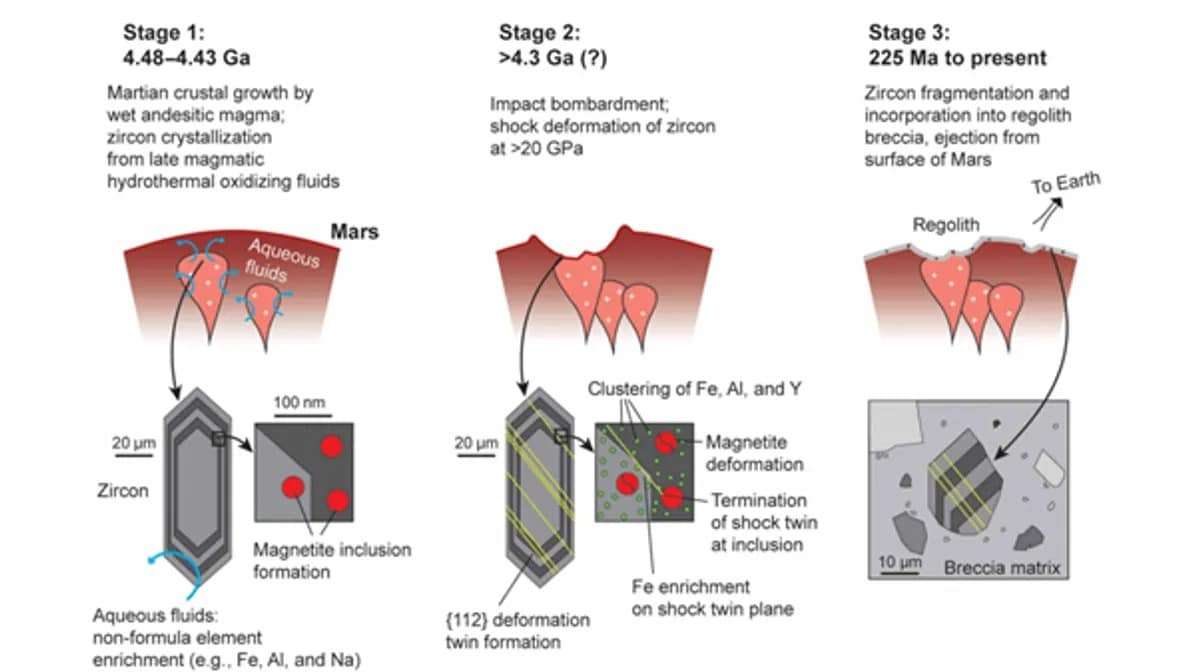
A black zircon crystal extracted from a Martian meteorite has provided revealing data. Employing cutting-edge nano-imaging and spectroscopic methods, the team mapped elemental distributions including iron, aluminum, yttrium, and sodium within the crystal structure.
These elemental signatures suggest, according to co-author Dr. Aaron Cavosie, that “water existed during the early magmatic events on Mars.” The results point to the presence of water-bearing fluids similar to hydrothermal springs—hot, mineral-laden waters typically tied to underlying magma activity.

Dr. Cavosie explained, “Hydrothermal systems were fundamental for life’s origins on Earth, and our discovery implies Mars also had access to water, a crucial component for habitable settings, during the formation of its earliest crust.”
Indications of Life-Friendly Conditions on Early Mars
This discovery adds valuable insights to the growing evidence for ancient life potential on Mars. Earth’s hydrothermal zones are recognized as vital habitats for life’s emergence. The meticulous nano-level study of the zircon provides the earliest geochemical indicators of water in Mars’ primordial crust, hinting that Mars may have experienced conditions analogous to those on young Earth.
Dr. Cavosie noted, “This research advances our understanding of early Martian environments by revealing chemical traces of water-rich fluids dating back to the crystal’s formation.”
Illuminating Mars’ Ancient Past Through Hydrothermal Activity
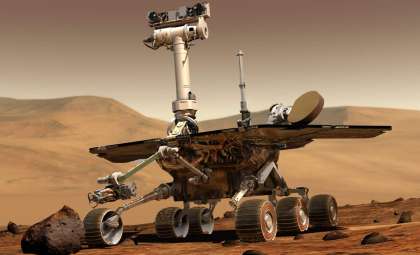
The evidence of hydrothermal phenomena on Mars reinforces hypotheses that the planet once had the capacity to harbor microbial organisms. These observations complement recent data from NASA’s Mars Rover, which identified possible extinct life signatures on Martian terrain.
This study not only emphasizes Mars’ potential as a life-harboring world during its early epochs but also enriches our comprehension of planetary development. To quote Dr. Cavosie, these findings offer “geochemical evidence of water within Mars’ oldest crust,” encouraging further quests in the search for life beyond Earth.
- Categories:
- Space ,
- Extraterrestrial life







0 comments
Sign in to Comment