
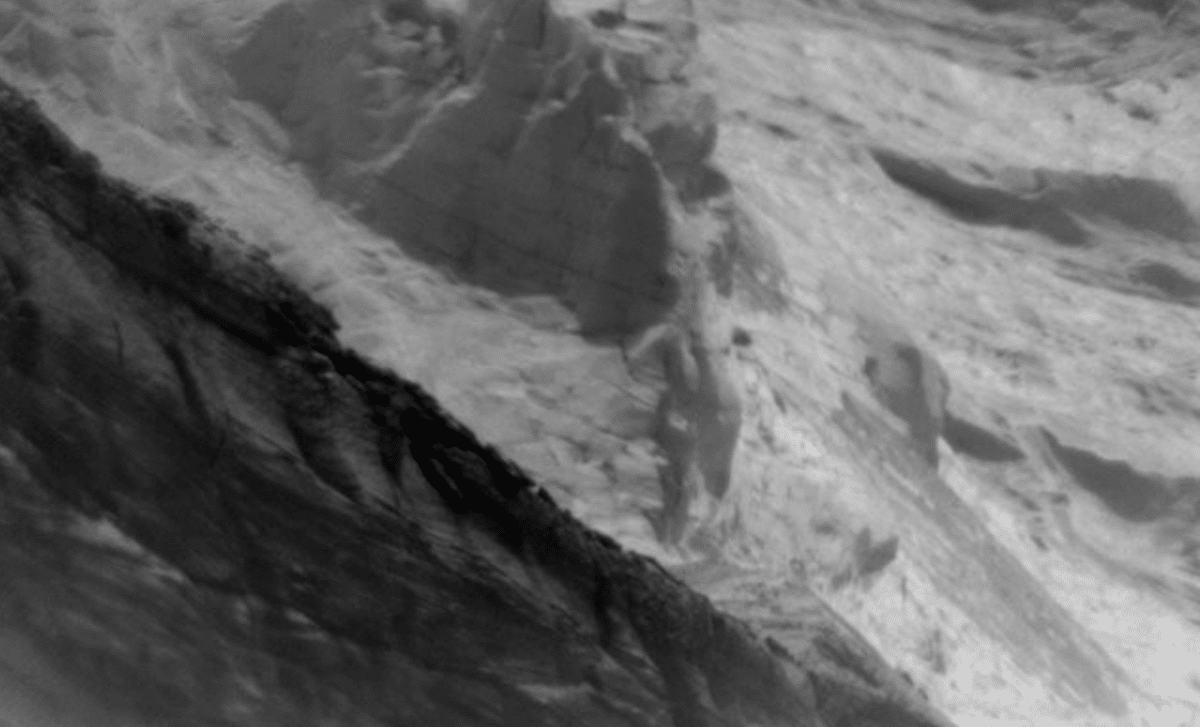
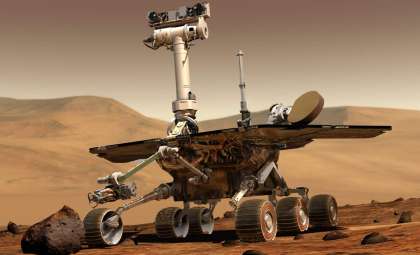
NASA's Curiosity rover has wrapped up its examination of a rarely explored Martian region known as the “boxwork terrain,” revealing new geological insights that could transform our knowledge of Mars’ past. Documented extensively by NASA researchers, the rover’s diligent investigation of this distinct landscape has opened new avenues in understanding the Red Planet’s geological timeline and its capacity to have harbored life.
Unearthing the Boxwork Terrain: Mars’ Geological Gem
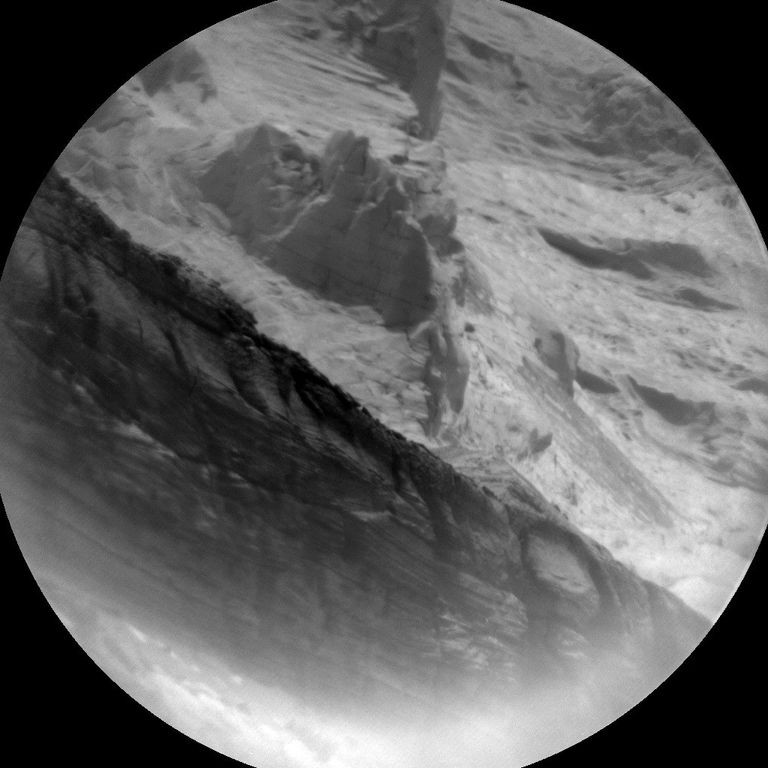
Curiosity’s most recent mission focused on the southern slopes of Mount Sharp, a signature landmark on Mars. Over several months, the rover scrutinized the “boxwork terrain,” which is distinguished by unusual rock structures that form intricate, geometric shapes. These formations are thought to have developed under particular environmental conditions, offering valuable clues about Mars’ ancient climate and geological forces.
By utilizing its Mastcam, ChemCam, and APXS instruments, Curiosity executed detailed mapping and compositional analysis of both rocks and the Martian atmosphere. Investigations of notable sites such as “Salar de Maricunga” and “El Misti” enriched the dataset, potentially answering pivotal questions about Mars’ geological development.

Advancing Mars Science: The Impact of Curiosity’s Discoveries
Since landing on Mars in 2012, NASA’s Curiosity rover has been a trailblazer in planetary exploration, uncovering essential data about Mars’ habitability history. Its recent exploration of the boxwork terrain sheds light on the planet’s sedimentary layers and geological composition, suggesting a more intricate and dynamic environmental past than previously understood. These geological layers are key to unraveling how ancient Mars might have supported microbial life.
Curiosity also continues to provide critical insights into the Martian atmosphere through observations of dust activity, atmospheric composition, and seasonal changes. This information is essential for designing upcoming missions, including those aimed at safe human landings on Mars.
The Significance of These Findings for Mars’ Future Exploration
According to NASA’s latest blog update, these discoveries are instrumental in reconstructing Mars’ water history—a fundamental element necessary for life. Investigating the boxwork terrain’s formations helps scientists better grasp how water once shaped the planet’s surface, informing future astrobiological searches and mission planning.
The ongoing efforts of the Curiosity team not only deepen scientific understanding but also advance humanity’s quest to determine if Mars ever supported life. The knowledge gained from this terrain will be crucial for future endeavors involving the Perseverance rover and potentially manned missions to the Red Planet.
- Categories:
- Nasa







0 comments
Sign in to Comment