
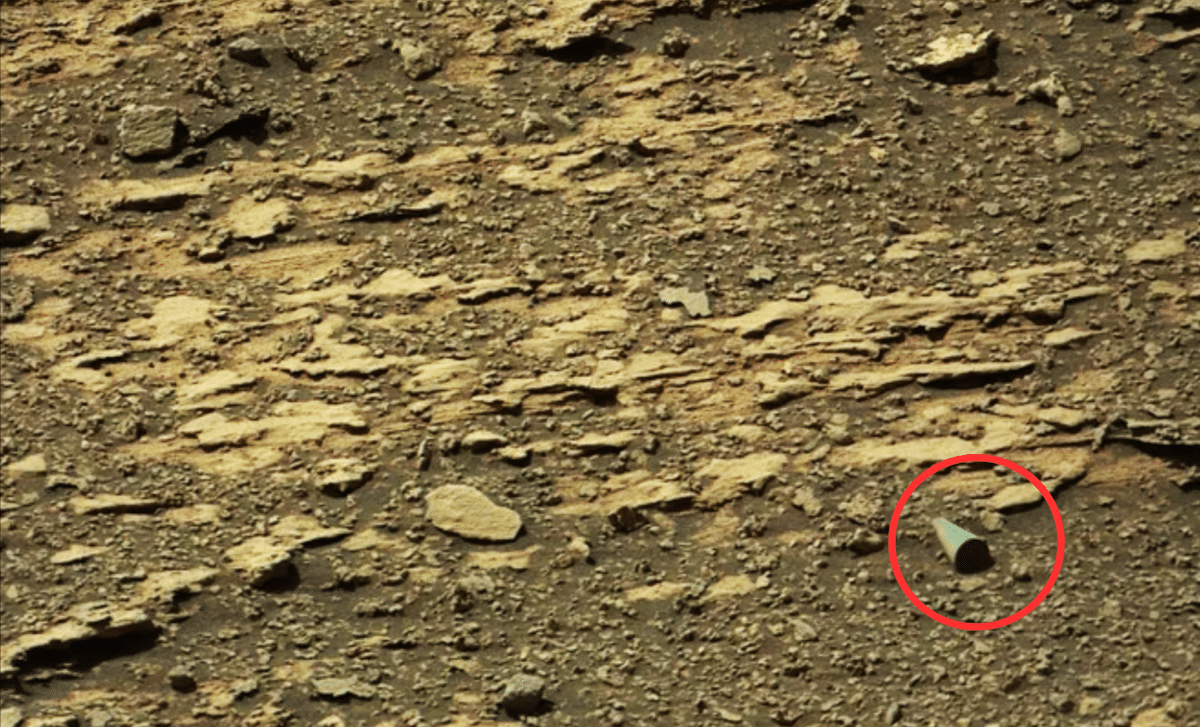
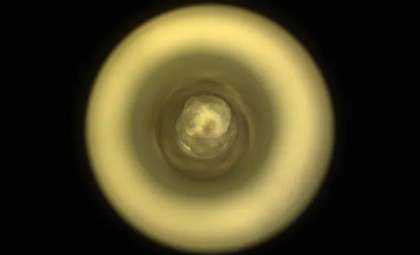
NASA’s Curiosity rover recently photographed an intriguing shiny cylinder on Mars, sparking intense scientific interest and speculation. The object's distinctive form and reflective surface raise questions about whether it is a piece of the rover’s own hardware or something far more enigmatic. Discovered in August 2022, this find could deepen our knowledge of Mars’ environmental past or challenge existing ideas about artifacts on the planet.
Unveiling the Shiny Cylinder: What Did Curiosity Capture?
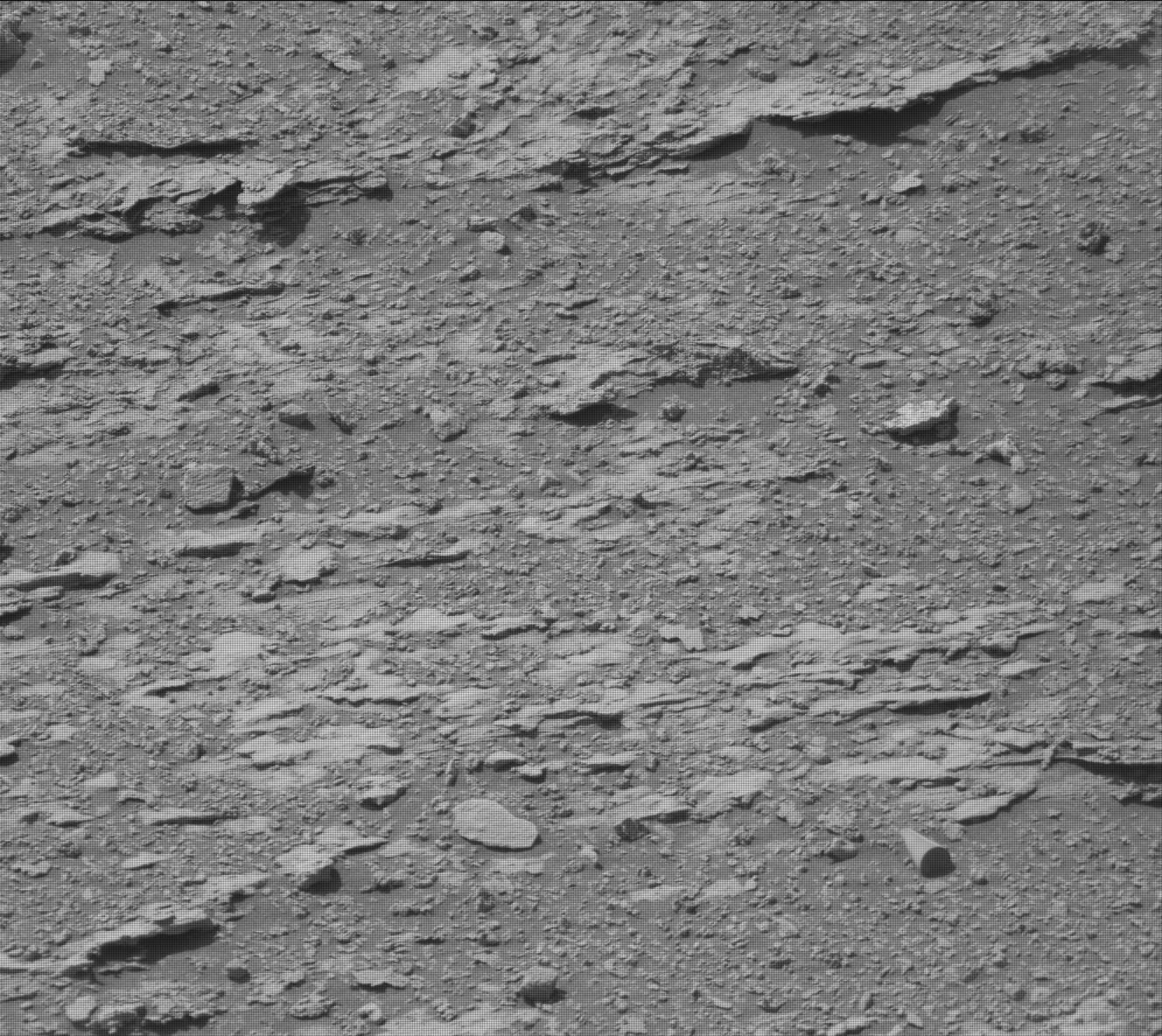
On August 7, 2022, NASA’s Curiosity rover transmitted images featuring a curious cylindrical item partly embedded in the Martian terrain. Approximately 20 centimeters long, the object’s smooth, round shape and gleaming surface immediately stood out from natural Martian features, inviting debate over its provenance.
This observation is part of Curiosity’s extended exploration of Gale Crater, a location with signs of ancient water activity. While the rover has identified numerous geological formations over time, this object’s shape and composition appear uncharacteristic of naturally formed Martian materials.

Is It Part of Human-Made Equipment?
A common hypothesis suggests the cylinder might be debris from Curiosity’s landing mechanism, which scattered fragments during its descent onto Mars in 2012. Previous findings include components from the Sky Crane system and heat shield, and prevailing Martian winds might have transported these fragments to their current location, where soil accumulation partially concealed them.
Yet, astrophysicist Avi Loeb advises caution before drawing conclusions. In a Medium post, he notes, “This puzzling object was discovered in NASA’s database by Rami Bar Ilan and brought to my attention by Dr. Jan Špaček — who studies signatures of life on Mars and Professor Carol Cleland — who studies anomalies from a philosophical perspective.” Loeb’s engagement underscores the importance of further examination to ascertain the object’s true nature.
Could It Be an Extraterrestrial Relic?
While the likelihood is that the cylinder is rover-related debris, Loeb and fellow researchers remain open to more extraordinary explanations. Might the object represent remnants of a past Martian culture or even extraterrestrial technology? Though speculative, such discoveries can stimulate valuable scientific inquiries.
The cylinder’s metallic luster and precise geometry may hint at artificial manufacture, leaving room for the possibility that it represents alien material. Maintaining rigorous scientific standards is essential, yet exploring unconventional hypotheses remains crucial to broadening our comprehension of Mars.
Why Further Investigation Matters
Loeb advocates for a targeted revisit to the cylinder’s location to collect detailed data. He suggests that Curiosity should retrace its path to perform a closer examination, clarifying whether the object is simply man-made debris or something more mysterious. Such a thorough investigation could help solve this enigma definitively.
Although Curiosity moves at a modest pace, with a maximum speed of 0.16 kilometers per hour, Loeb estimates it could reach the site within days. With the potential implications of this find, he believes the scientific community should prioritize this exploration.
- Categories:
- Nasa





0 comments
Sign in to Comment