
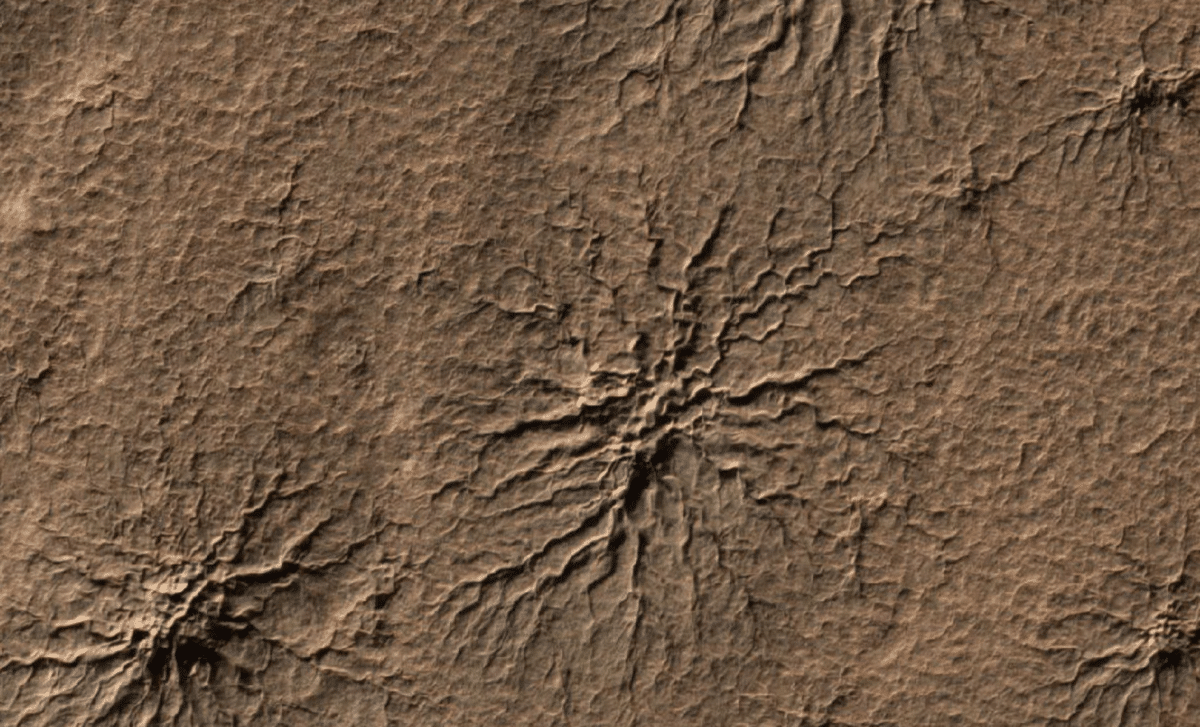
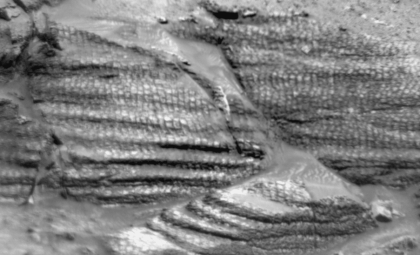
The Curiosity rover has recently revealed intricate spiderweb-like formations on Mars that suggest liquid water may have existed on the Red Planet much longer than scientists previously estimated. These peculiar patterns, identified as boxwork, hint at groundwater movement through Martian rocks, potentially expanding the timeframe during which conditions may have been favorable for life.
Captured during Curiosity's mission across Mount Sharp within Gale Crater, these webs were initially spotted from orbit but are now being analyzed in greater detail on the ground, offering fresh insights into Mars' ancient environment. The discovery supports the idea that water lingered deeper into Mars' geological past, bolstering the possibility that microbial life could have survived longer than expected.
Decoding the Boxwork Phenomenon
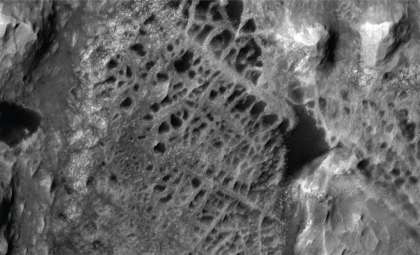
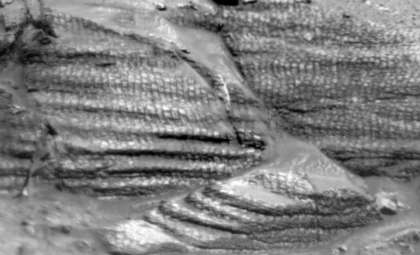
Boxwork formations display complex networks of ridges and depressions resembling spiderwebs scattered on the Martian surface. Researchers theorize these arose when mineral-rich groundwater seeped into cracks in the bedrock, leaving behind hardened deposits that formed ridges after the surrounding softer rock eroded. The presence of such formations strongly indicates the prolonged existence of liquid water, potentially spanning billions of years.

Curiosity’s detailed study of these patterns offers the most compelling proof yet that Mars once held a more life-friendly environment than previously assumed.
“Seeing boxwork this far up the mountain suggests the groundwater table had to be pretty high,” said Tina Seeger, a scientist at Rice University in Houston, who is leading the investigation of these formations. “And that means the water needed for sustaining life could have lasted much longer than we thought looking from orbit.”
Curiosity’s Expedition: Overcoming Mars’ Rough Landscape
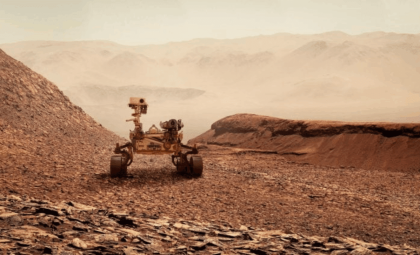
Although the team is thrilled by these new formations, navigating the varied terrain with the rover has proven challenging. The boxwork patterns are distributed across the rocky slopes of Mount Sharp, requiring careful maneuvering.
“It almost feels like a highway we can drive on,” said Ashley Stroupe, operations systems engineer at NASA’s Jet Propulsion Laboratory. “But then we have to go down into the hollows, where you need to be mindful of Curiosity’s wheels slipping or having trouble turning in the sand. There’s always a solution. It just takes trying different paths.”
Despite these obstacles, Curiosity carries on its exploration tirelessly, furnishing crucial information that could transform our knowledge of Mars’ past geology and habitability. This persistence highlights NASA’s dedication to uncovering the planet’s deep-rooted mysteries.
The Puzzle of Martian Nodules
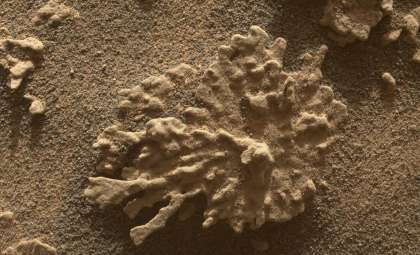
Another fascinating feature linked to the boxwork is the assortment of nodules peppered throughout the terrain. These mineral nodules are remnants from groundwater drying up, but their exact formation process remains uncertain. “We can’t quite explain yet why the nodules appear where they do,” noted Seeger. “Maybe the ridges were cemented by minerals first, and later episodes of groundwater left nodules around them.”
Understanding these nodules is key to revealing how groundwater remained stable over time and interacted with Mars’ mineral composition. Their origin continues to intrigue researchers aiming to unravel the complex history of Martian water.
Implications for Past Life on Mars
The discovery of these delicate, spiderweb-like features prompts new discussions about Mars’ capability to support life. If water was present for an extended period in this area, it opens the door to the idea that microbial organisms might have thrived well beyond previous estimates.
Evidence from these formations implies that liquid water conditions conducive to life could have existed even after the surface environment became harsh. With each new finding, Curiosity moves closer to answering the profound question: Did life ever take hold on Mars?
This compelling data reinforces the belief that ancient Martian environments may have been hospitable to microbial life. As Curiosity advances, it will continue to provide essential clues about whether Mars could have supported life in its distant past or potentially even today.
- Categories:
- News


0 comments
Sign in to Comment