
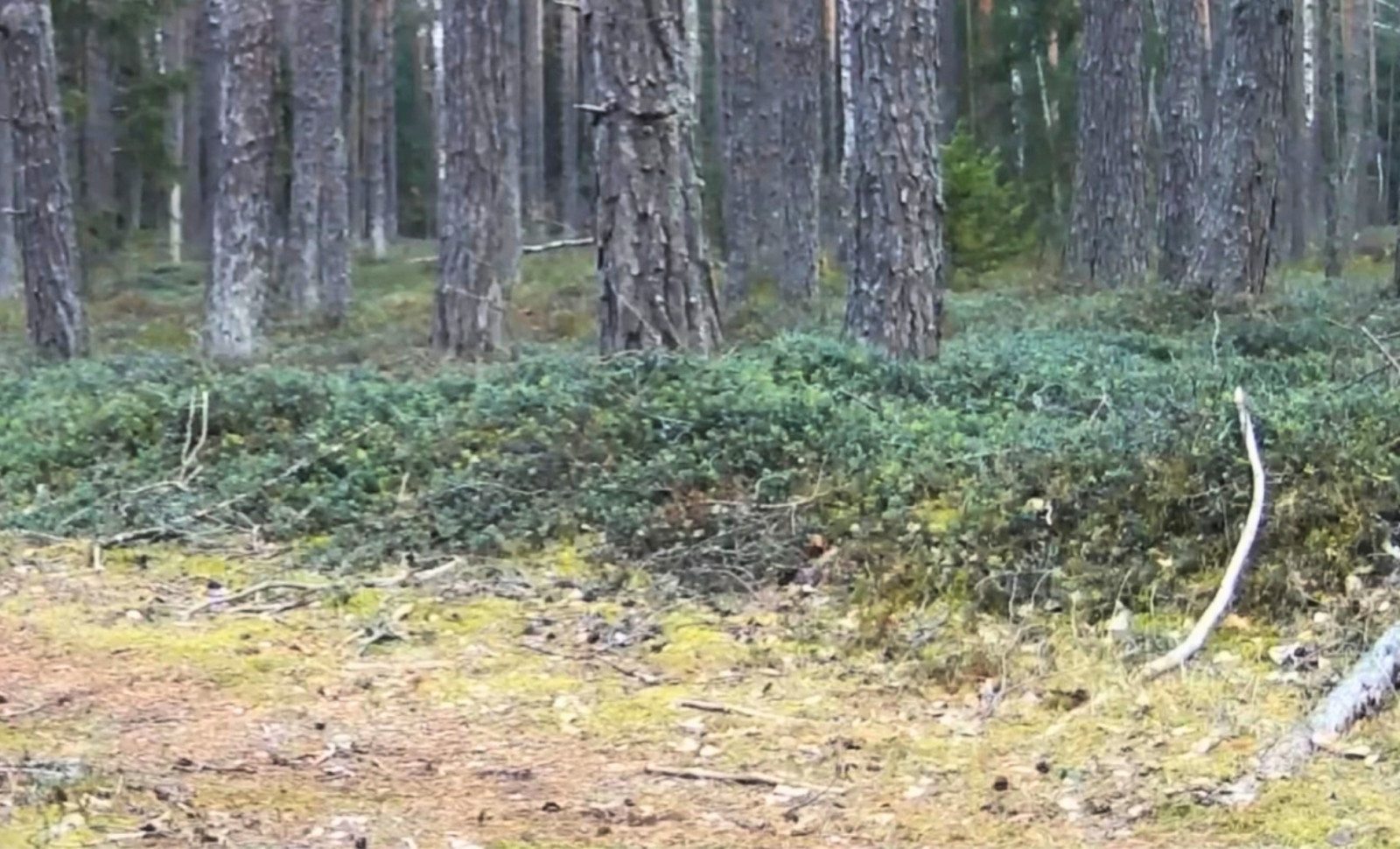
For the first time in many years, brown bears have successfully birthed cubs in Lithuania. Trail cameras in a northwestern Lithuanian forest captured footage of a mother bear with her offspring, marking the earliest confirmed evidence of breeding bears in the country in generations.
Laimonas Daukša, head of the Lithuanian Hunters and Fishermen’s Association, informed Made in Vilnius that this successful birth will qualify bears for inclusion in Lithuania’s Red Book of protected animals. "Only species confirmed to be reproducing are eligible, so this bear cub marks a significant milestone for our wildlife conservation records," Daukša explained.
This recent event challenges the long-standing classification of brown bears as extinct in Lithuania. The IUCN Red List still labels the species as extirpated locally, reflecting the disappearance caused by decades of excessive hunting and habitat reduction. The presence of a cub now suggests a shift in that outlook.

Adult Bear Spotted on Camera Earlier This Year
Just weeks before the cubs were detected, a wildlife photographer, Marek Kislovskij, discovered footage of an adult brown bear captured on one of his trail cameras in the Šalčininkai region near Lithuania’s border with Belarus. The footage, recorded at the end of March 2025, revealed a large bear roaming the woodland.
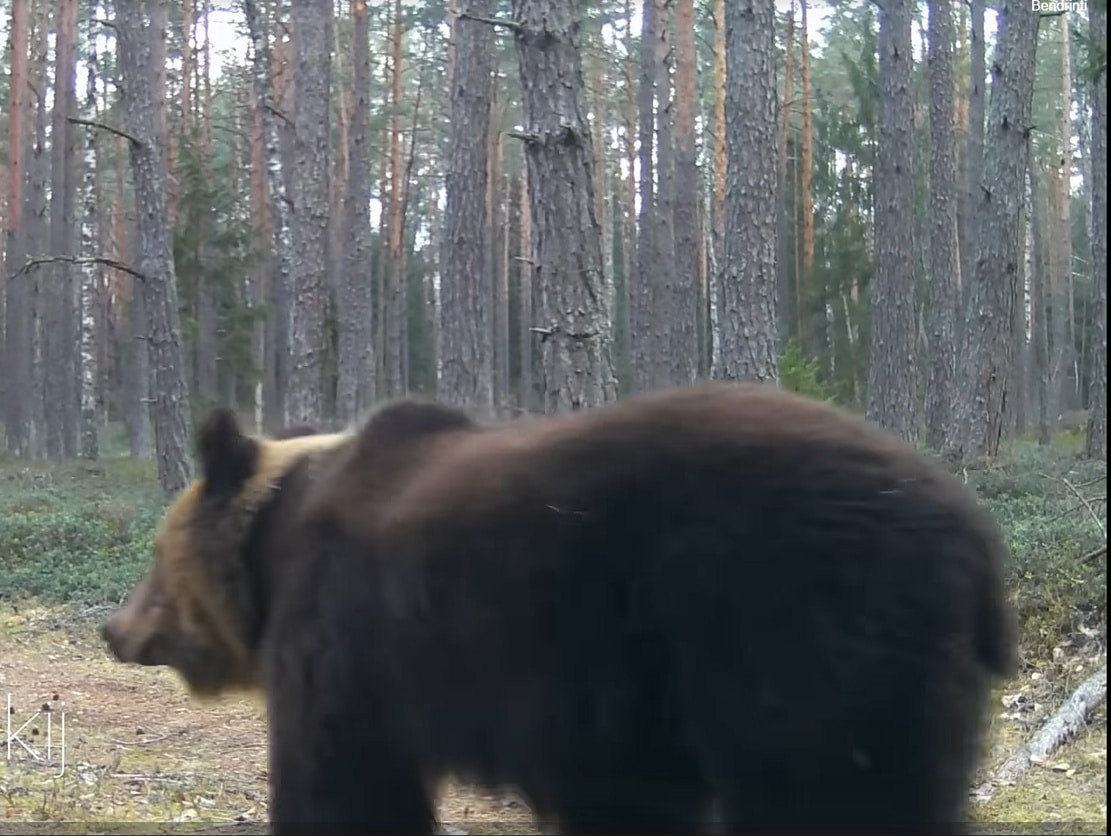
“Initially, I couldn’t believe the footage I had captured,” Kislovskij told LRT.lt. “It was exciting yet a little unsettling to know a bear had been moving through that area.”
Before this discovery, no recent bear sightings or signs had been reported in Šalčininkai. The camera was positioned near Gerviškės, close to the Belarusian border, on March 31.
Bears Are Migrating From Estonia’s Thriving Population
The resurgence of bears in Lithuania is linked to the booming population in Estonia. Harri Valdmann, associate zoology professor at the University of Tartu, notes that Estonia now hosts around 1,000 brown bears, the highest count in over 100 years.
“Populations fluctuate naturally,” Valdmann told ERR News. “When numbers grow, bears disperse to neighboring regions, including Latvia, which isn’t the case with smaller populations.”
Latvia has yet to reestablish a permanent bear population after local extirpation by the late 1920s. While individual bears from Estonia occasionally enter Latvia, the current population there remains too sparse to sustain permanent colonization further south.
Mixed Reactions From Lithuanian Communities
A 2012 survey published in the journal Ursus polled nearly 3,800 residents in northwest Lithuania and revealed varying attitudes toward bear presence. Acceptance of bears returning was far from universal.
The survey showed that 82.4% of participants expressed concern for their families’ safety if bears inhabited nearby forests. Most said they would prefer bears to remain at least 10 kilometers away, with 60–70% opposed to bears venturing closer.
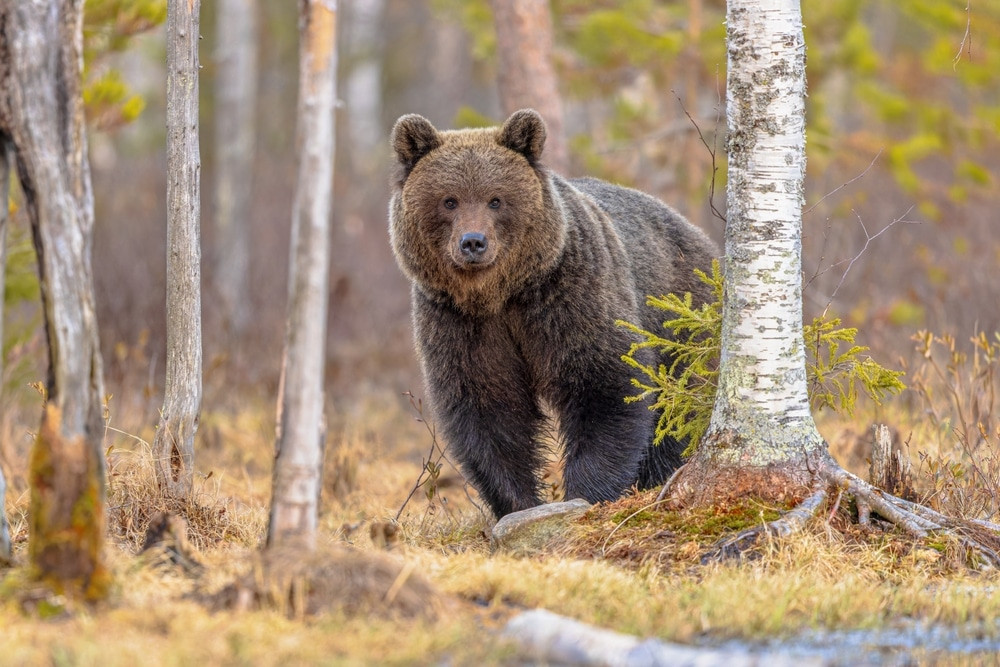
Residents of rural areas tended to favor managing or eradicating bear populations, while urban respondents were generally more supportive of bear conservation efforts. People regularly foraging for berries and mushrooms, spending extensive time in the wilderness, showed strong opposition to increased bear numbers. Additionally, 22.5% wanted protective measures against bears even if animals stayed far from homes.
Brown Bears Remain Abundant Globally
The reappearance of brown bears in Lithuania is an encouraging but localized development, not a sign of worldwide endangerment. The IUCN Red List categorizes the species as Least Concern globally, with an estimated 110,000 mature individuals spread across North America, Europe, and Asia. The overall population remains stable.
According to the IUCN’s 2016 evaluation, bears have occasionally crossed into Lithuania from neighboring Latvia and Belarus, albeit as solitary wanderers rather than established residents. However, the recent appearance of a cub suggests the population could soon be expanding its permanent range.
The current IUCN range map still marks Lithuania as an area from which bears have vanished. However, camera data contradict this classification, indicating a subtle but meaningful return. The IUCN notes that while the global brown bear population is secure, small, isolated groups such as those now at the Baltic frontier remain sensitive to environmental pressures.
- Categories:
- News











0 comments
Sign in to Comment