
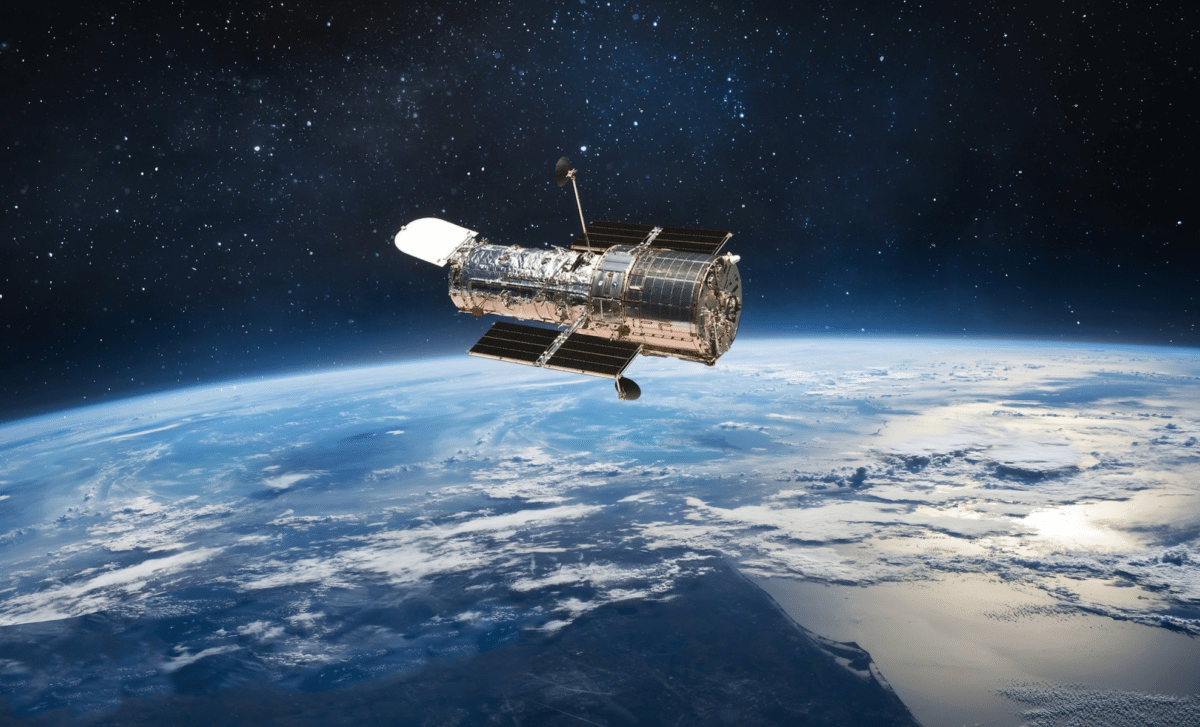
For over three decades, the Hubble Space Telescope has revolutionized astronomy, delivering breathtaking imagery and vital scientific insights into galaxies, black holes, and the universe's beginnings. Yet, this legendary observatory now faces a ticking clock, with recent reports indicating it may be nearing the end of its orbital lifespan sooner than once anticipated.
Orbit Decline Marks the Closing Chapter for Hubble
Launched in 1990, Hubble has transformed our view of the cosmos through its sharp observations of remote nebulae, galaxies, and planets. Its impact on modern astrophysics is profound. Nevertheless, aging hardware and orbital decay pose significant challenges. Originally positioned about 360 miles above Earth, Hubble’s altitude has gradually dropped to near 326 miles and continues to decrease.
According to the Hubble Reentry Tracker, the telescope could reenter Earth’s atmosphere potentially as early as 2029. They note that "solar flux levels are currently longer in duration and more elevated than previously anticipated, resulting in an earlier reentry forecast for the Hubble Space Telescope if no reboost mission is conducted."

NASA’s Efforts to Prolong Hubble’s Life
NASA has explored several reboost missions intended to raise Hubble’s orbit and extend its operational period. Notably, in 2022, NASA teamed with SpaceX to assess the possibility of restoring Hubble to its initial altitude of around 373 miles. Such an intervention could have prolonged its functionality, though no firm plans have been announced to execute this strategy yet.
The Hubble Reentry Tracker study cites increased solar activity as a critical factor accelerating Hubble’s orbital descent. Rising solar flux intensifies atmospheric drag, which hastens the decay. Without corrective maneuvers, there’s a strong chance that Hubble could begin reentering within five to six years. When the telescope dips to roughly 248 miles, it is expected to have less than a year remaining before atmospheric reentry.
Scientific Impact of Hubble’s Impending Retirement
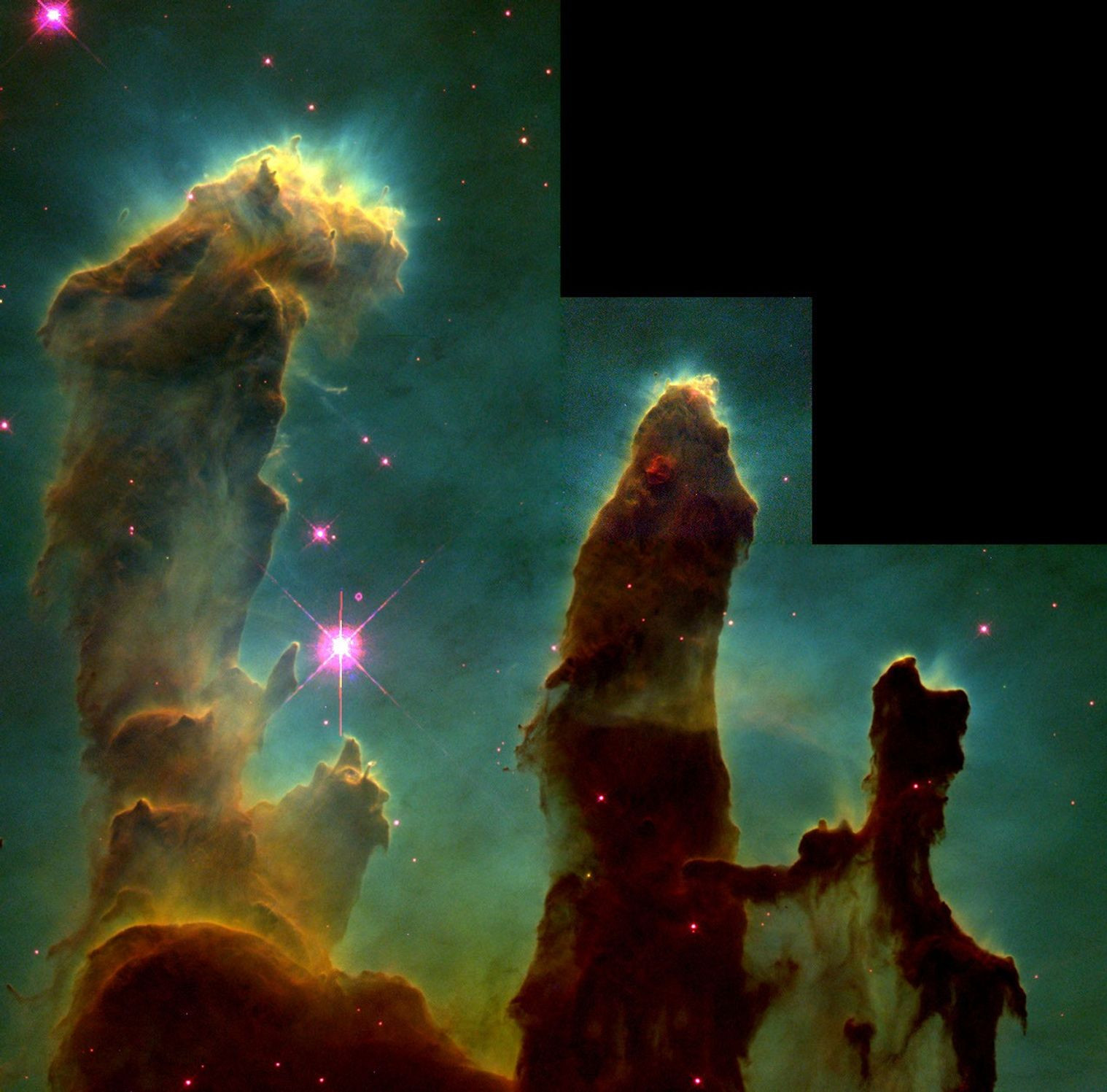
The impending loss of Hubble brings major concerns about the future of space-based astronomical observation. Since its deployment, Hubble has enabled landmark discoveries ranging from cosmic expansion and dark energy to galaxy formation. Iconic snapshots, including the Pillars of Creation and the Hubble Deep Field, have captured the imagination of scientists and the general public alike.
Without Hubble’s unmatched vantage, astronomers could face a void in their ability to probe distant cosmic objects with such precision. Despite advancements in terrestrial telescopes, the absence of a comparable orbiting observatory will undeniably leave a gap in our exploration capabilities.
“We sit on decades of technological developments since Hubble,” says Arpita Roy, lead of the Astrophysics & Space Institute at Schmidt Sciences, in a statement to Ars Technica. “Lazuli is a very modern take on Hubble, with a larger mirror, swifter response, and different instruments.”
Lazuli: The Next Step in Space Telescope Evolution
As Hubble approaches its twilight years, an innovative project called Lazuli emerges as a beacon of hope. Backed by former Google CEO Eric Schmidt, Lazuli represents the first entirely privately-funded space telescope and may become a worthy successor to Hubble. Set for launch by 2028 through Schmidt Sciences, Lazuli will feature a larger 94-inch mirror and modernized instruments designed to capture unprecedented cosmic details.
This next-generation telescope promises quicker data acquisition and enhanced capabilities, positioning it as a vital successor in space observation. While it won’t be an exact replica of Hubble, Lazuli’s advanced technology and design improvements could help bridge the gap that Hubble’s retirement will leave behind.
- Categories:
- News







0 comments
Sign in to Comment