
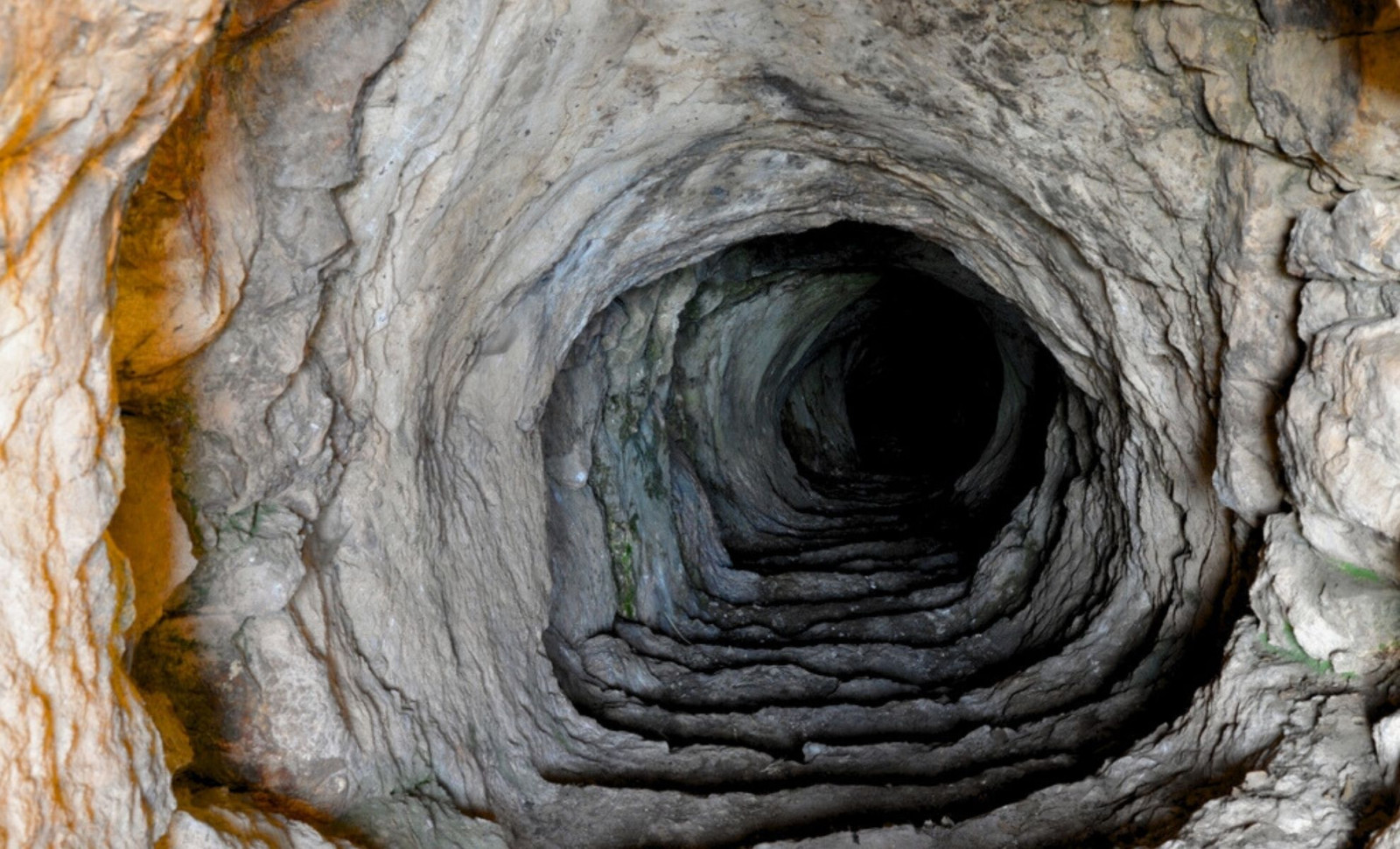
Underneath the historic, stone-lined avenues of Cusco, a city steeped in Andean and colonial tradition, archaeologists have uncovered what might be the most groundbreaking Inca archaeological find of recent times. Long regarded as mere folklore, tales of an extensive tunnel network beneath the Inca Empire's former capital have circulated for many years. Despite skepticism and dismissals attributing these stories to myth or colonial exaggerations, local voices persisted in recounting them.
Within South America’s mountainous archaeology circles, the question remained: having perfected advanced techniques in terracing, hydraulic systems, and massive stone constructions, did the Inca also develop complex underground architectural ventures? Although prior digs revealed ritual caves and hidden chambers, a continuous subterranean passage of urban scale had not been documented.
A series of convergent clues finally emerged: seventeenth-century ecclesiastical manuscripts, irregularities in land surveys, and a recurring pattern of unexplained cavities beneath significant historical landmarks. Individually inconclusive, these elements collectively pointed to a possible underground route.

Recently, a team of Peruvian archaeologists announced verifiable proof of a vast tunnel system running under Cusco, connecting prominent ceremonial locations of the Inca civilization. This revelation has the potential to redefine our understanding not only of Inca urban design but also of how the empire conceptualized control and movement within its center.
Underground Corridor Connects Major Inca Landmarks in Cusco Center
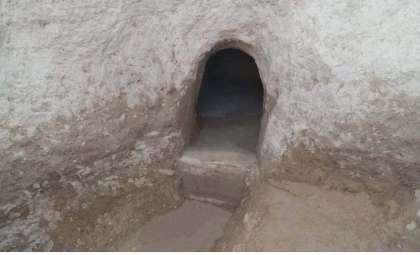
Leading the announcement, archaeologist Jorge Calero Flores described a primary underground passage extending over 1.6 kilometres beneath Cusco’s ancient district. This tunnel seems to link the revered Coricancha (the Temple of the Sun) with the northern fortress complex of Sacsayhuamán. These locations were pivotal to Inca religious rites and political governance prior to Spanish colonization.
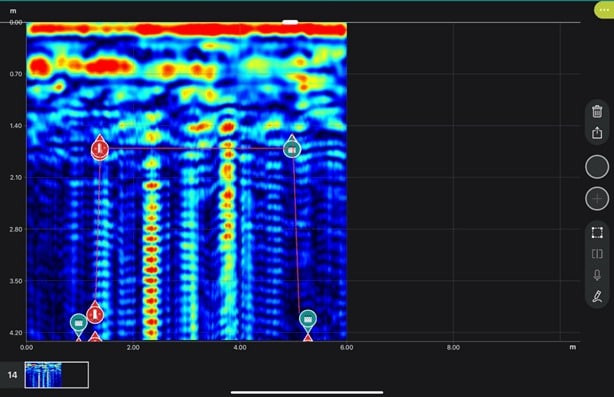
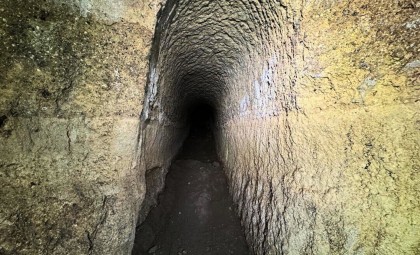
The main corridor has three branching passages reportedly leading to the Church of San Cristóbal, an area near the fortress, and the Callispuquio district, according to the experts’ reports. The tunnel dimensions—approximately 2.6 metres wide and 1.6 metres tall—suggest it was built to accommodate pedestrian movement rather than cargo or drainage systems. Calero indicated that these sizes match those needed for carrying litters, hinting that elite individuals might have used this underground route.
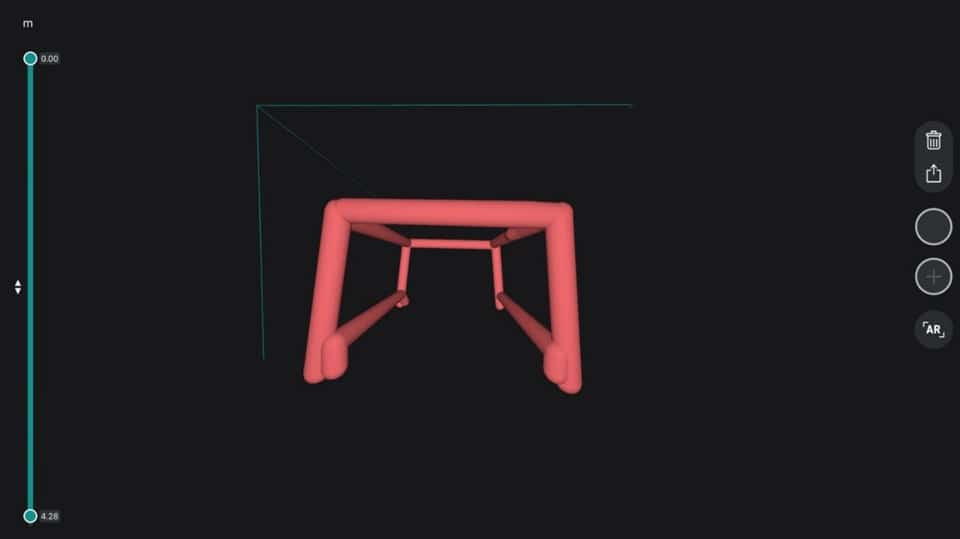
The research team employed acoustic prospecting, a technique analyzing reflected sound waves to pinpoint underground voids, which was complemented by ground-penetrating radar (GPR) scans. As detailed by Popular Mechanics, this non-invasive method allowed for comprehensive three-dimensional mapping without disturbing the fragile surface or nearby protected sites.
Early Colonial Texts Guided Archaeologists to Tunnel Locations
Though long-rumored in local culture, the recent excavation was steered by colonial-era writings. Among them, an anonymous Jesuit manuscript from 1594 mentions a tunnel beginning at Coricancha and running underneath Cusco Cathedral to the bishop’s residence. Likewise, Anello de Oliva’s chronicles refer to several subterranean passages within the city, citing that colonial-era builders deliberately avoided these to preserve their integrity.
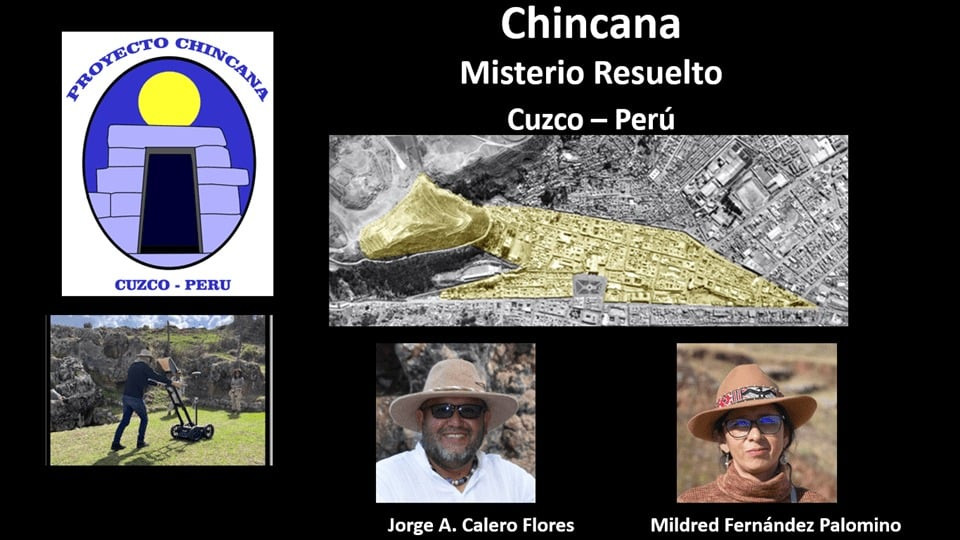
These historic documents provided a foundational roadmap for the excavation. As Lima Gris describes, combining sites detailed in 16th- and 17th-century records with modern geospatial data and historical site overlays helped pinpoint tunnel paths.
Further confirmation originated from old construction logs reporting restricted digging zones near Sacsayhuamán due to fears of ground instability. These findings, cross-referenced with acoustic prospecting, corroborated the presence of manmade subterranean spaces.
Inca Construction Techniques Reveal Tunnel Building Methods
The Peruvian Archaeologists Association suggests that the tunnels were likely constructed using the Inca-preferred cut-and-cover technique. This involved trench excavation along the planned route, reinforced with stone walls and carved wooden ceilings, later covered and solidified with earth.
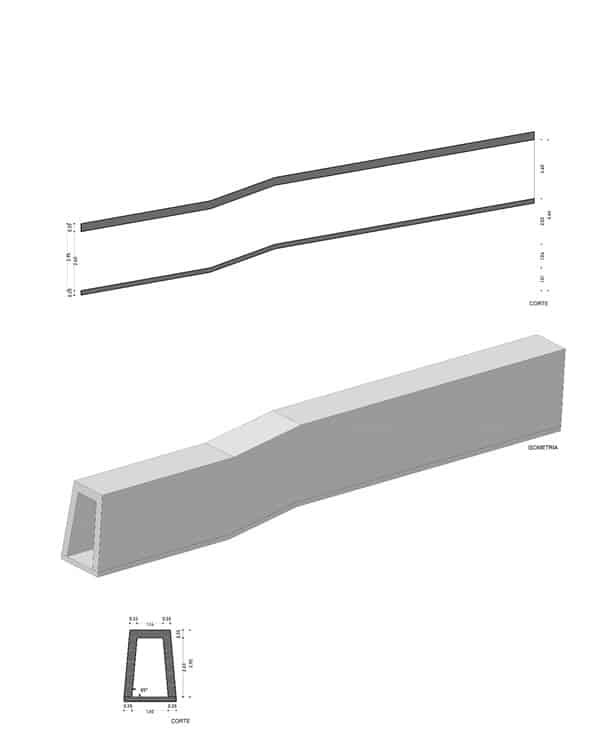
This approach reflects core Incan engineering hallmarks: dry-stone masonry, flexibility for earthquake resistance, and harmonious integration with the natural landscape. The tunnel’s trajectory also mirrors the city’s above-ground spatial plan, hinting at a designed connection between subterranean and surface realms.
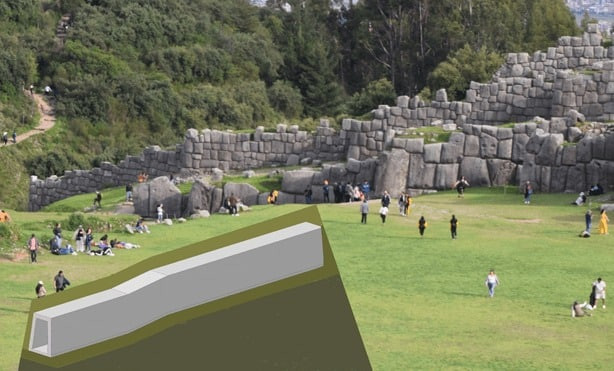
Mildred Fernandez Palomino, an excavation team member, stated that no entry to the tunnels has occurred yet. “We need to excavate at strategic points to access the chincana,” she noted. So far, no artifacts or organic remains have been found, and formal dating studies have yet to start.
Conservation Efforts and Future Directions
This tunnel network's revelation poses significant considerations for preserving Cusco’s heritage, a city that attracts over 2.5 million visitors annually and is layered with pre-Columbian, colonial, and modern urban development. Since the system lies mostly beneath protected historical zones, any further exploration will require close collaboration among local authorities, Peru’s Ministry of Culture, and international heritage organizations.
These discoveries open new archaeological inquiries. Could similar underground systems exist beneath other famed Inca sites like Pisac, Ollantaytambo, or Machu Picchu? What roles—whether ceremonial, logistical, or defensive—did the chincana networks play? Presently, their exact function remains uncertain.
Much of Peru’s subterranean archaeological wealth remains to be explored. As investigations continue in Cusco, the findings may either validate or challenge existing views of Inca spatial organization, mobility, and imperial domination. Whether this passageway system is a singular marvel or part of an extensive underground network within the Inca realm is an ongoing question.
- Categories:
- News




0 comments
Sign in to Comment