
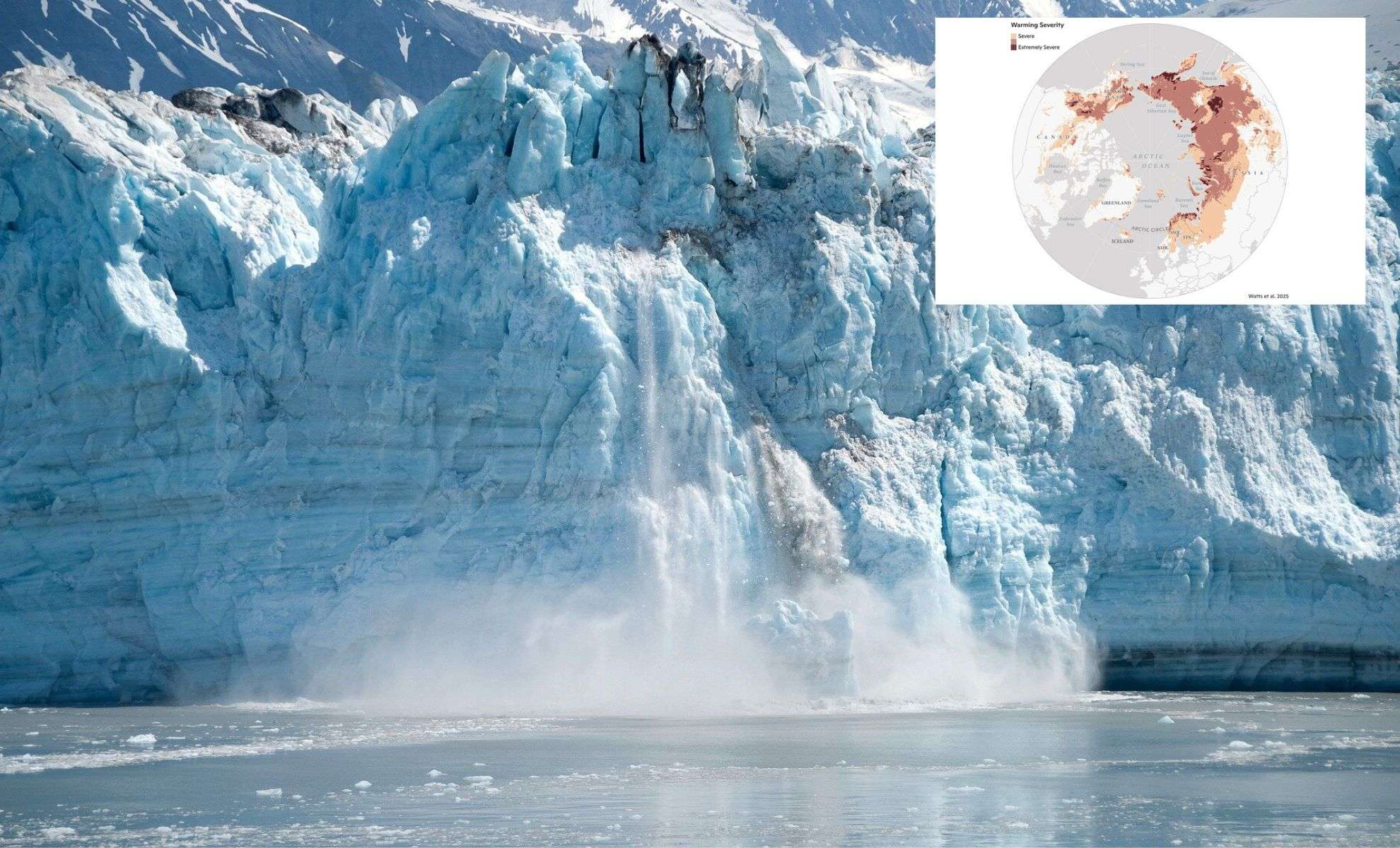
Known as the "last frontier," Alaska is experiencing some of the most significant climate shifts on Earth, with certain areas heating up far faster than the global average. Recent research has pinpointed zones of intense warming across the state, signaling the escalating vulnerability of Arctic environments. These insights highlight how rapidly rising temperatures in northern regions are impacting diverse ecosystems in varied and profound ways.
This new information paints a sobering picture for Alaska’s distinctive habitats, wildlife populations, and residents, stressing the urgent need for effective interventions to combat climate change impacts. The data present both a challenge and a valuable opportunity for scientists and decision-makers to deepen their understanding and develop adaptive measures to preserve these critical natural systems.
Understanding the Varied Effects of Arctic Temperature Rise
Research from the Woodwell Climate Research Center reveals that warming in Alaska is unevenly distributed, with distinct local hotspots indicating regions undergoing severe climate stress. This variation disproves the idea of a uniform Arctic response to global warming, showing that some habitats are at greater risk than others.

Sue Natali, who leads the Permafrost Pathways project at Woodwell Climate, explains, "The Arctic and boreal landscapes encompass a complex mosaic of ecosystems, and this study highlights the diverse ways in which they react to rising temperatures." Changes observed include shifts in plant communities, water systems, and animal distributions—illustrating how multiple factors interact to influence ecosystem responses in the Arctic.
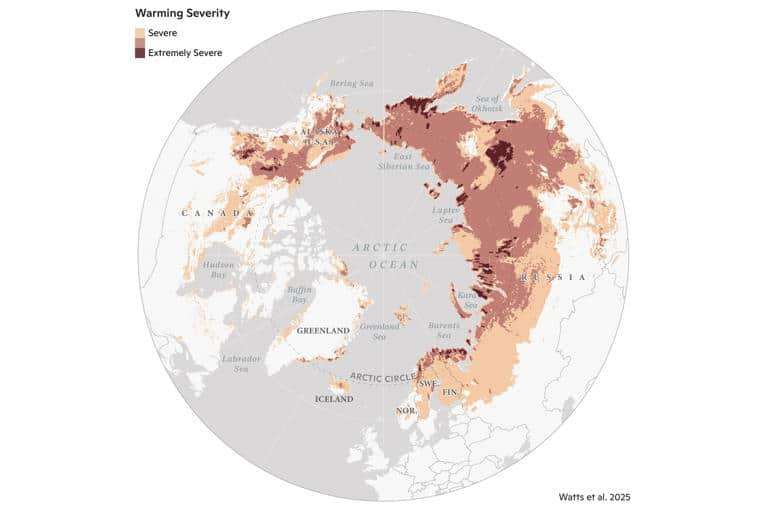
Central to these developments is permafrost, a frozen soil layer that traps massive amounts of carbon. As temperatures climb, permafrost thaws and releases carbon dioxide and methane, powerful greenhouse gases that further intensify global warming. Natali cautions, "Permafrost was a consistent factor among the most climate-affected areas, signaling a high risk due to its vulnerability to thawing with increased heat."
Alaska’s Climate Stress Hotspots Mapped
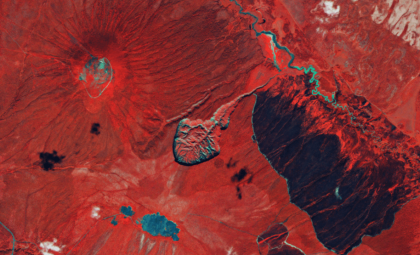
Utilizing advanced climate models and ecosystem data, scientists have produced detailed maps showcasing Alaska’s ecosystems most at risk, including permafrost zones, wetlands, and boreal forests.
Jennifer Watts, Arctic program director at Woodwell Climate, highlights the significance of localized insights: "While warming impacts ecosystems throughout the Arctic, the intensity and nature of this stress differ widely, which is why mapping these differences is vital." These regional and site-specific findings enhance understanding of how the warming trend is reshaping the Arctic’s natural environment.
Beyond research, these maps serve as an imperative for immediate conservation action. They furnish crucial guidance for policymakers and environmental managers to prioritize regions at greatest risk. Watts adds, "Identifying these hotspots enables us to target monitoring and resources toward the areas that need it most, improving management efforts."
The Global Significance of Thawing Permafrost
Permafrost underpins numerous Arctic ecosystems, and its degradation triggers widespread environmental disruptions locally and worldwide. Thawing permafrost modifies hydrological patterns, damages infrastructure, and destabilizes ecosystems. The carbon emissions released initiate a feedback loop intensifying climate change, potentially speeding up global temperature rise.
Alaska’s vast permafrost territories are effectively ground zero for these transformations, causing increasing hazards for communities. Infrastructure such as roads, buildings, and pipelines face heightened risks from unstable soils. Meanwhile, wildlife—like caribou, salmon, and migratory birds—must cope with rapidly changing habitats and food availability.
Urgent Need for Focused Monitoring and Response
The report’s conclusions underscore the necessity for precise monitoring and proactive management approaches. Concentrating on identified hotspots allows for efforts to alleviate the impacts on the most fragile areas. This demands an integrated strategy involving fieldwork, satellite surveillance, and community engagement to confront the growing consequences of climate change.
Moreover, the study underlines the crucial importance of global emission reductions to decelerate warming trends. As an early indicator, the Arctic offers insights into future challenges that could extend worldwide if climate change continues unchecked.
Preparing for a Changing Landscape in Alaska
Alaska’s rapidly warming hotspots highlight the interconnected and complex nature of the climate system. The effects observed here resonate beyond the region, influencing global ecological and atmospheric systems. Addressing this requires not only scientific dedication but also ethical responsibility, given the long-lasting consequences for future generations.
"The Arctic acts as a critical signal for global climate dynamics," Natali states. "Developments here will influence ecosystems, weather, and economies across the planet." By focusing research and protection in Alaska’s hotspot areas, we can safeguard unique environments and deepen our understanding of broader climate effects.
- Categories:
- Climate change





0 comments
Sign in to Comment