
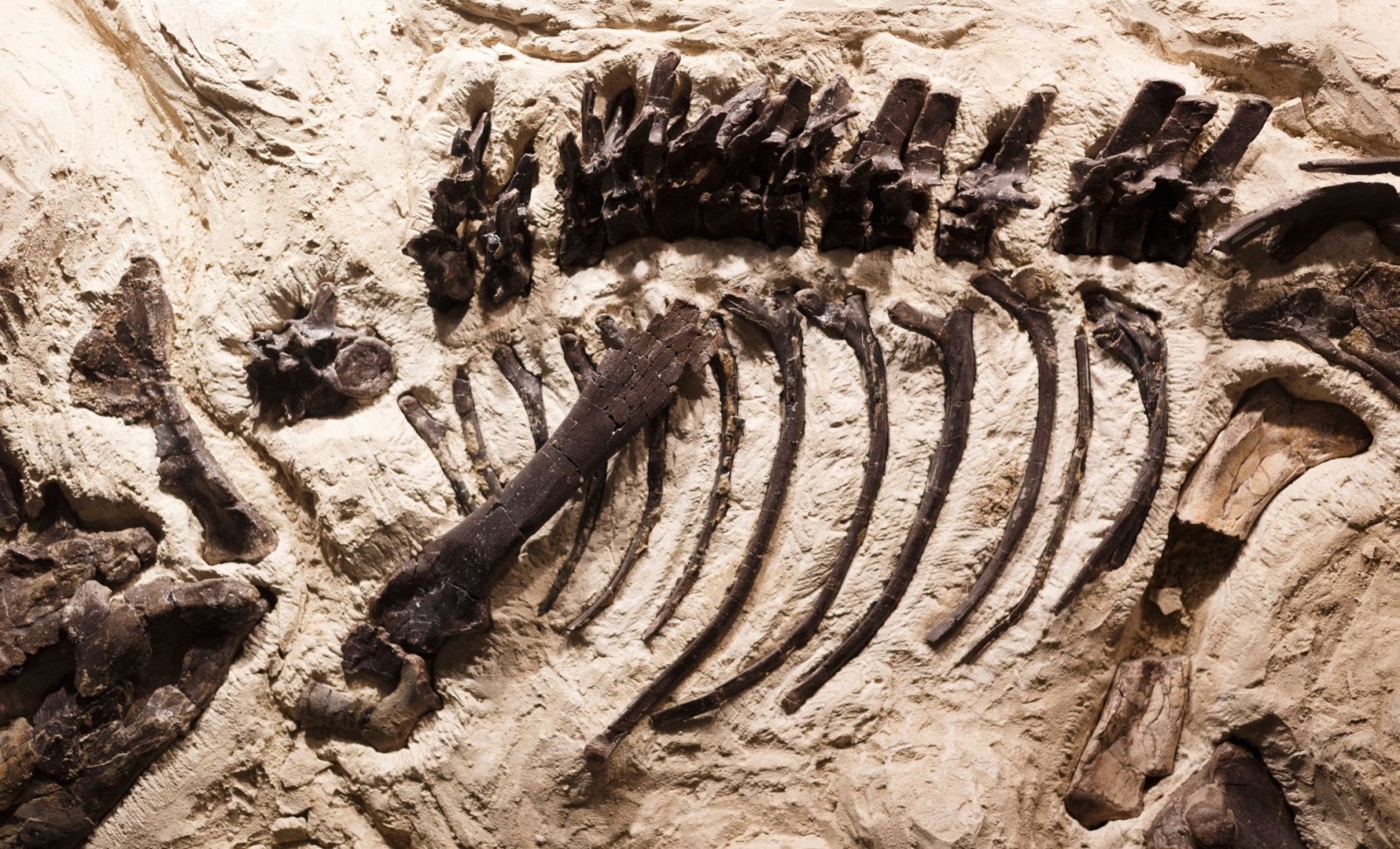
Researchers analyzing tail bone fractures in hadrosaurs have uncovered a vital indicator that could distinguish female dinosaurs from males. By studying hundreds of healed injuries in duck-billed dinosaur fossils, they may have solved the age-old challenge in paleontology: identifying dinosaur sex. This breakthrough linked recurring tail damage to an intimate cause.
For decades, paleontologists have faced difficulties in sexing dinosaur skeletons, as soft tissues like reproductive organs rarely preserve in fossils. This dilemma has been particularly pronounced with hadrosaurs, abundant in fossils yet lacking obvious sexual differences.
Consistent Tail Injury Patterns in Hadrosaurs
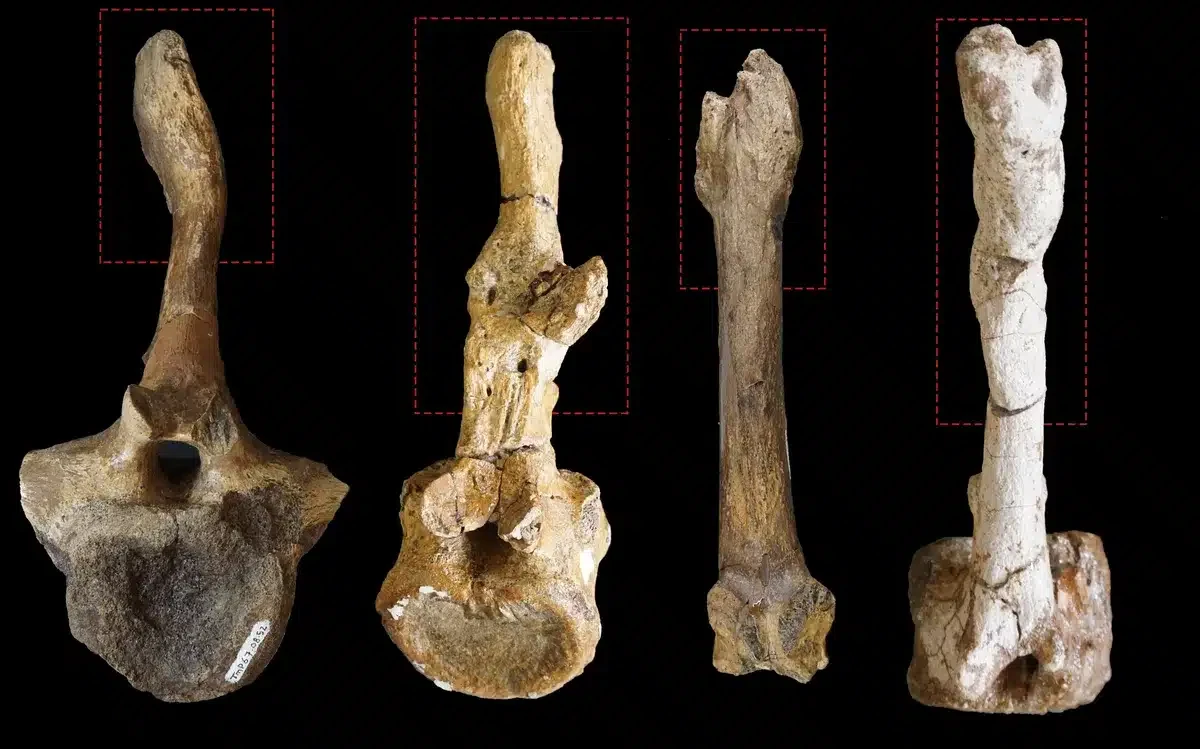
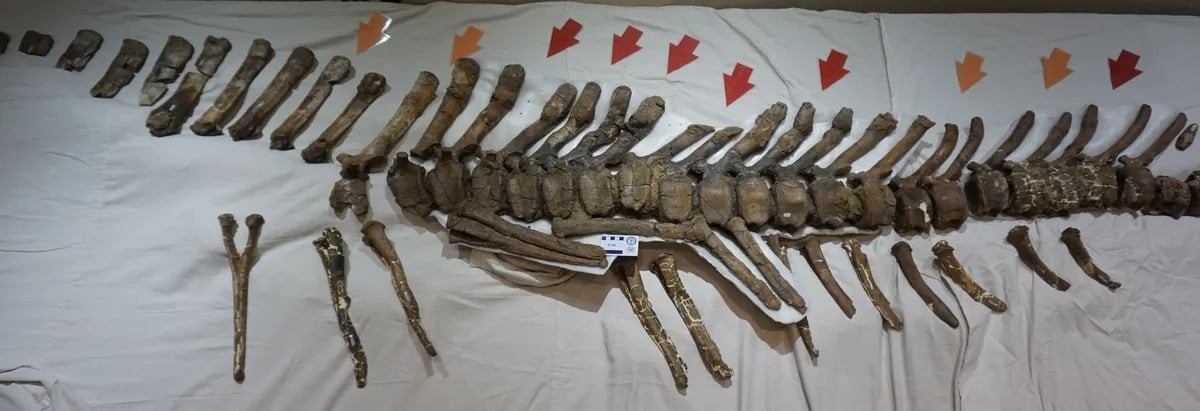
Researchers noted a recurring pattern: healed fractures localized to the upper tail vertebrae area near where the cloaca would have existed in many hadrosaur specimens. According to a statement shared with IFLScience, Professor Eileen Murphy of Queen’s University Belfast highlighted that this distinct pattern appeared across hundreds of fossils from both Eurasia and North America.

Examining roughly 500 hadrosaur fossils, the team consistently found these specific injuries. The absence of predator bite marks or other trauma signs suggested the wounds were caused by a different, recurring activity common to multiple species across time.
Uncovering Hidden Clues to Dinosaur Sex
After ruling out alternative causes, scientists used physical tail models to test various stresses. Their findings pointed directly to reproductive behaviors. Simulations revealed male hadrosaurs mounting from the side could exert significant pressure on a female’s upper tail vertebrae near the cloaca during mating.
Published in iScience, the study’s lead author, Filippo Bertozzo, described this as “a pioneering insight into dinosaur sexual behavior.” It represents the first discovery of a behavior-linked trait that can reliably indicate fossil sex. The healing signs indicate these encounters were typically non-fatal.
First Reliable Method to Identify Female Dinosaurs
If confirmed, the presence of these distinct healed tail injuries would serve as a definitive marker for female hadrosaur fossils. This could resolve ongoing debates over whether differences in head crests are due to sex differences or represent separate species. Bertozzo told IFLScience this discovery “could trigger wide-reaching implications.”
Co-author Professor Gareth Arnott noted that while aggressive mating behaviors might seem risky, similar injury patterns are observed in modern animals such as sea lions, turtles, and some birds. Unlike those species, dinosaur mating-related injuries fossilized, providing a unique glimpse into ancient reproductive behavior.
- Categories:
- Science







0 comments
Sign in to Comment