
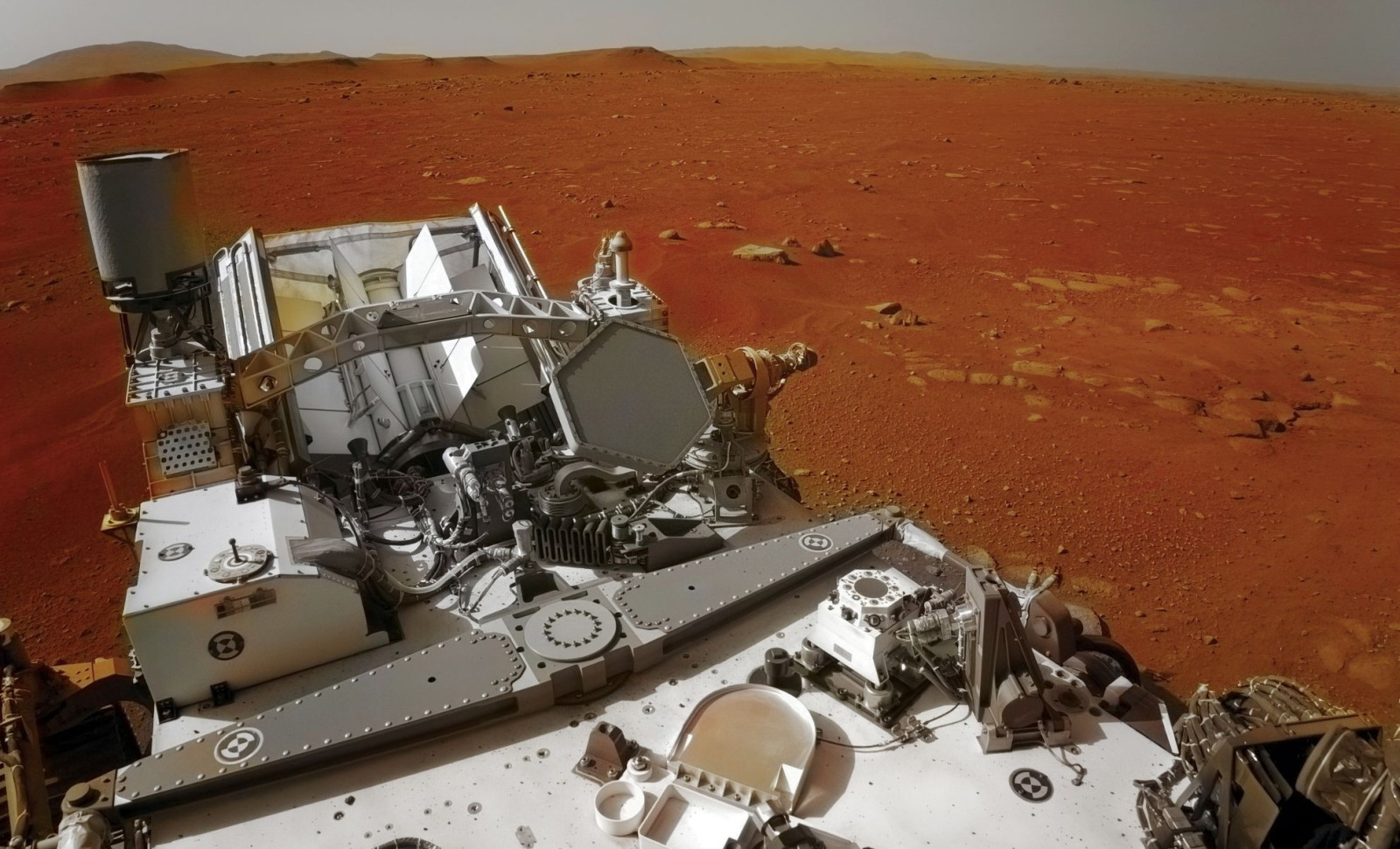
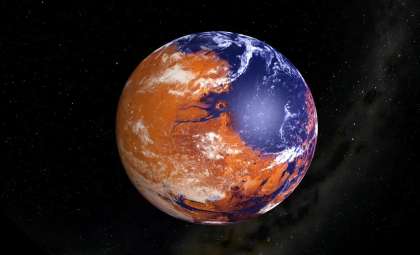
New evidence from NASA’s Perseverance rover suggests Mars once had prolonged periods of rainfall, with stable liquid water shaping its surface. This discovery indicates that parts of Mars might have exhibited climates similar to warm, wet conditions on early Earth.
The climate of early Mars, particularly during the Noachian epoch around 4.1 to 3.7 billion years ago, has been a subject of intense study. This era coincides with the Late Heavy Bombardment, when frequent asteroid impacts molded much of the inner solar system's terrain.
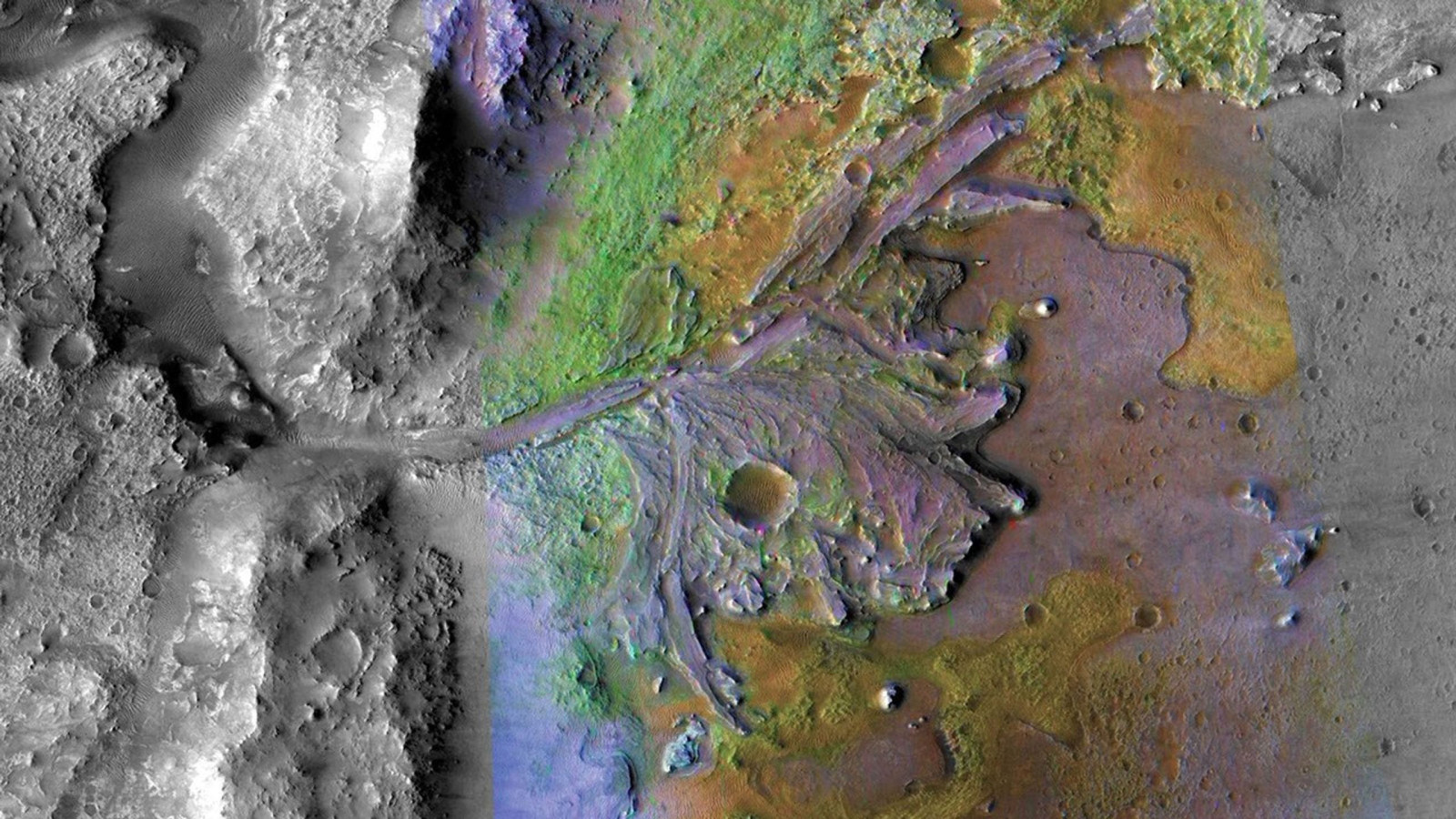
Researchers have debated whether Martian water features were the result of brief melting in a cold setting or the outcome of a lasting rainy climate. Recently obtained data from the Jezero crater helps clarify this debate.

Clay Minerals Indicate Warmer, Wetter Conditions on Ancient Mars
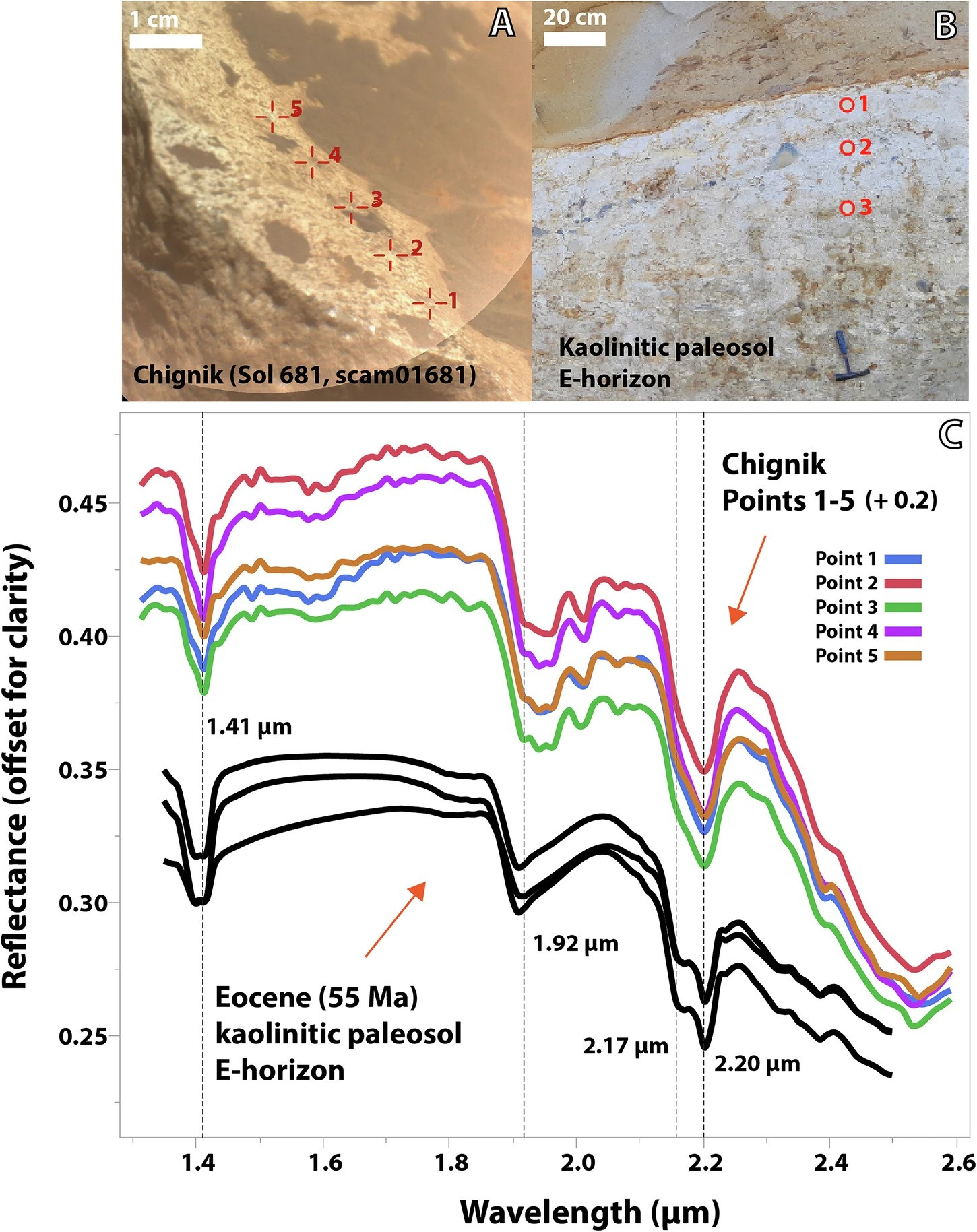
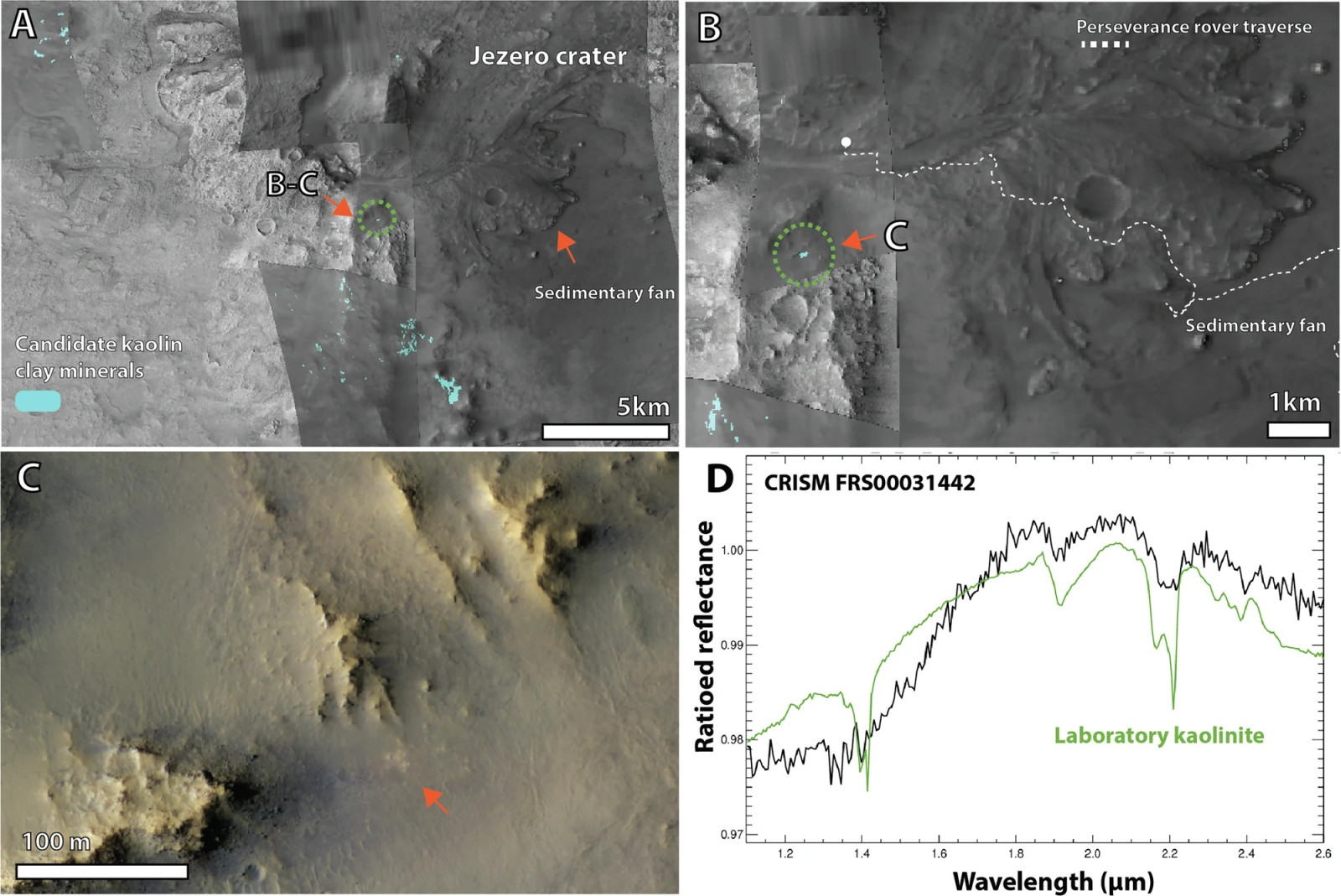
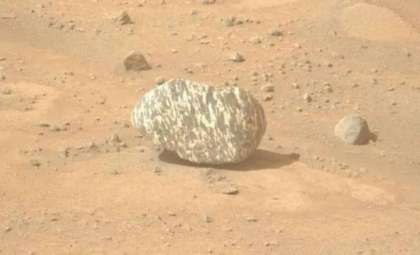
Published in Communications Earth & Environment, the research focuses on kaolinite clay pebbles detected in ancient channels within Jezero crater. These aluminum- and titanium-rich minerals are notably low in iron and magnesium.
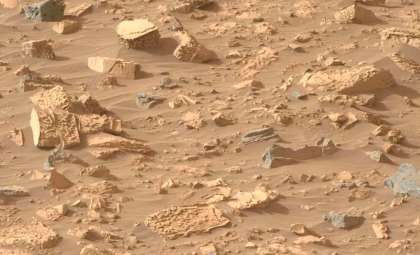
“The Perseverance rover discovered light-toned, cobble-sized, aluminum-rich “float” rocks (rock fragments), with some exhibiting spectral signatures of kaolinite, an aluminum-rich clay mineral,” wrote the authors.
This mineral profile suggests formation under gentle weathering conditions rather than in high-heat settings like volcanic or impact-driven hydrothermal systems. The alteration patterns point to extended exposure to liquid water, supporting the idea of persistent rainfall rather than isolated meltwater events.
An Ancient Dense Atmosphere Sustaining Liquid Water
These insights also reveal aspects of Mars’ primordial atmosphere. During the Noachian period, the Sun emitted roughly 30% less energy, implying Mars needed a dense atmosphere to keep water in liquid form. The latest findings suggest the planet’s atmosphere was rich in CO₂, creating a greenhouse effect capable of generating warmer surface temperatures.
“On Earth, these clay minerals can form from hydrothermal alteration or rainfall-driven chemical weathering over thousands to millions of years, but how they formed on Mars remains a mystery,” the researchers noted.
Implications for Mars’ Habitability
The results imply these wet conditions could have persisted for thousands to millions of years, potentially marking some of the most hospitable intervals in Mars’ history. This complements other recent discoveries by Perseverance, including hints of possible biosignatures in local samples.
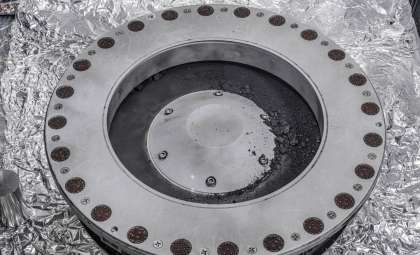
Further investigations will apply the Knoll criterion, devised by astrobiologist Andrew Knoll, which demands that any signs of life cannot be explained by non-biological processes. Confirming these biosignatures will depend on analyzing samples back on Earth.
- Categories:
- Nasa






0 comments
Sign in to Comment