
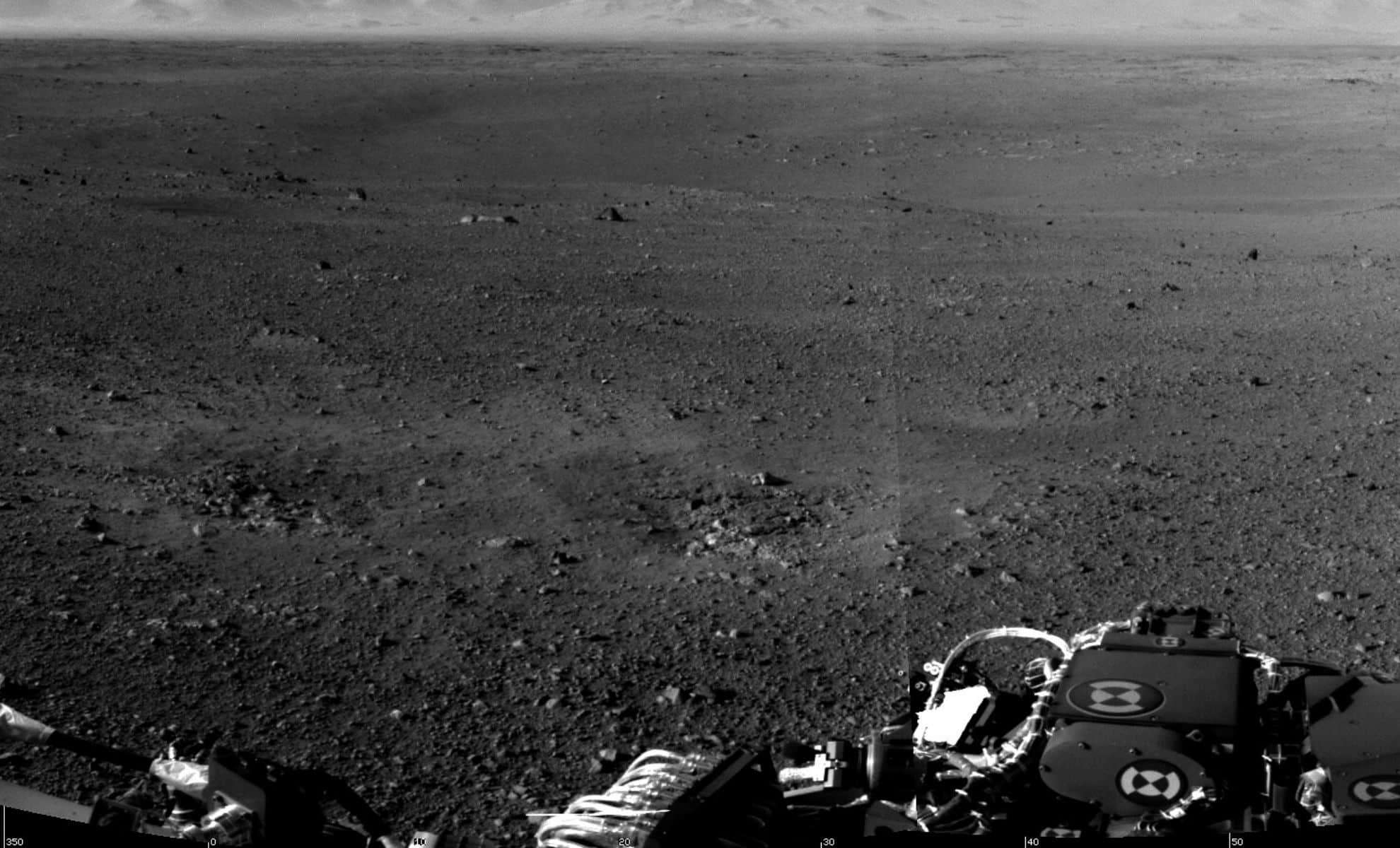
Groundbreaking findings indicate that ancient Mars endured a frigid climate reminiscent of Earth's subarctic zones.
Published in Communications Earth and Environment, this study provides fresh perspectives on Mars' environmental history and its implications for habitability.
Investigating Martian and Earth Soil Parallels
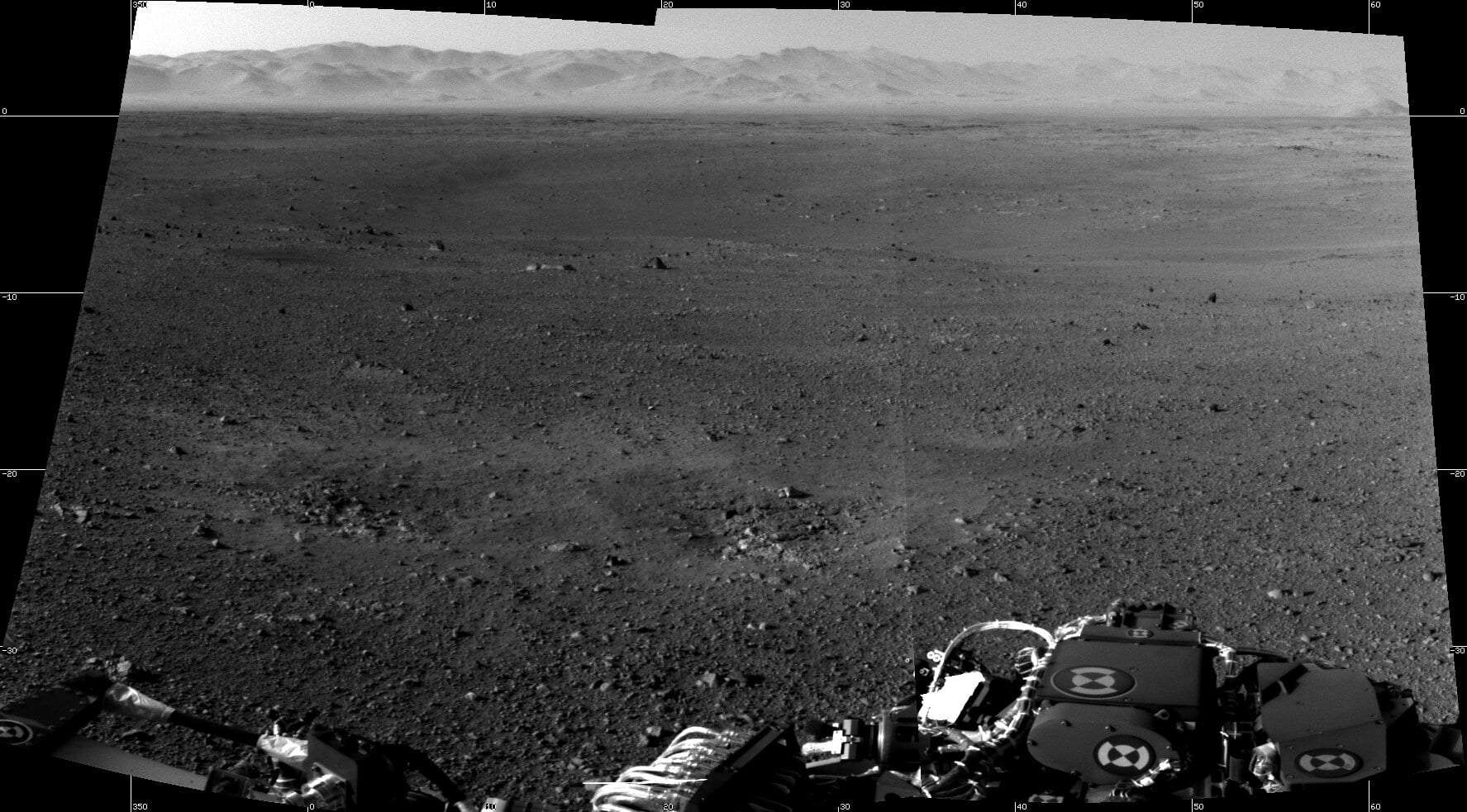
Scientists concentrated on the soils within Gale Crater, a key location explored continuously by NASA’s Curiosity Rover since 2011. Their analysis revealed a considerable proportion of X-ray amorphous substances, which lack the standard mineral atomic arrangements making them difficult to analyze using conventional methods. These materials were found to be iron and silica-rich but had low aluminum content.

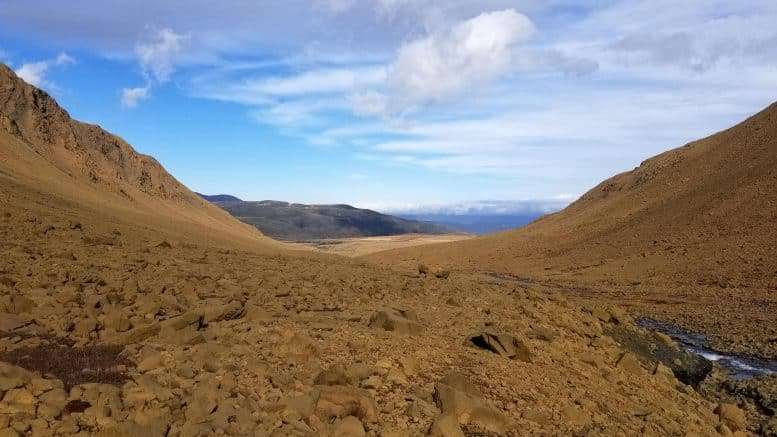
To deepen their understanding, researchers studied Earth soils with comparable chemical makeup. They visited serpentine-rich terrains anticipated to be similar to Gale Crater's soils: the Tablelands area of Gros Morne National Park in Newfoundland, Northern California's Klamath Mountains, and regions in western Nevada. These various environments offered diverse conditions in terms of precipitation and temperature.
Anthony Feldman, a geomorphology and soil science expert at the Desert Research Institute (DRI), highlighted the study's importance: “Gale Crater was once a lakebed, so water was definitely present. The question is, what were the environmental conditions surrounding that water?” Understanding these clues enables researchers to reconstruct Mars' ancient climate.
Insights from Subarctic Earth Environments
Samples from Newfoundland’s subarctic climate exhibited chemical traits closely matching those found on Mars in Gale Crater, whereas soils from warmer locales like California and Nevada did not. This discovery points to the necessity of consistently low, near-freezing annual temperatures for the preservation of the amorphous soil components. “Presence of water is essential to create these minerals,” Feldman stated, “but the colder, near-freezing temperatures are critical to prevent their degradation.”
Using advanced X-ray diffraction and transmission electron microscopy, the team examined the structural and chemical features of these soils, unlocking key information about the environmental factors that help form and preserve amorphous materials.
Reevaluating Mars’ Climatological Past
The detection of X-ray amorphous substances in Gale Crater supports the conclusion that ancient Mars had chilling, subarctic-like climates similar to Iceland. This challenges earlier beliefs that Mars was once predominantly warm and wet with Earth-like bodies of water. Feldman noted, “Our results upgrade our understanding of Martian climate, showing that the abundance of these materials aligns with subarctic conditions akin to what’s observed in places like Iceland.”
These materials, often unstable due to their disordered atomic arrangement, have persisted over long timeframes. Feldman explained, “Something in the reaction kinetics slows the transformation, allowing these materials to endure. We propose that persistently cold, near-freezing temperatures serve as a key factor for their formation and preservation.”
Looking Ahead: Mars Exploration and Habitability
Clarifying Mars’ icy history is pivotal for upcoming missions and the quest to identify life beyond Earth. The environmental factors that preserved water and enabled amorphous mineral formation offer critical insights about past habitability. Continued investigation promises to enrich our knowledge of Mars’ geological and climatic evolution billions of years ago.
This research prompts a revised view of Mars’ ancient climate, revealing it was far colder than previously assumed. Such revelations strongly impact our perceptions of Mars’ ability to foster life and the planet's geologic development.
- Categories:
- Astronomy ,
- News ,
- Space ,
- Nasa ,
- Aircraft












0 comments
Sign in to Comment