

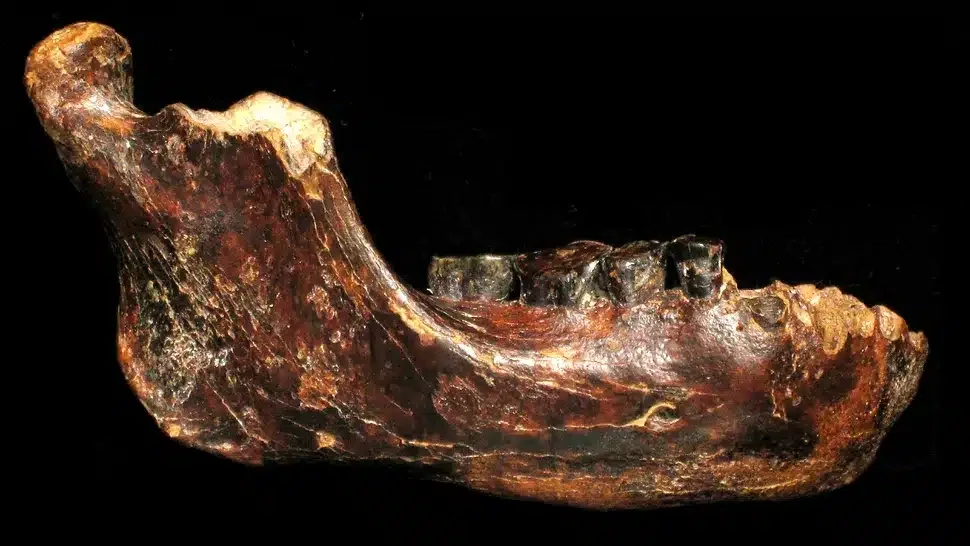
Scientists have identified a jawbone found submerged in the Taiwan Strait as belonging to a Denisovan, a little-understood branch of the human family tree. Recovered from depths between 60 and 120 meters, this fossil provides compelling evidence that Denisovans inhabited not just cold, mountainous areas but also warmer Asian regions.
Until now, Denisovans were primarily linked to Siberia’s Denisova Cave and the Tibetan Plateau. However, the newfound jawbone near Taiwan indicates these archaic humans had a much broader geographical range.
An Unexpected Habitat for Ancient Humans
Denisovans were historically associated with frigid, highland zones. Discovered in 2010, their existence was mostly tied to locations like the Denisova Cave in Siberia and the Tibetan Plateau, far removed from the tropical, humid climate of the Taiwan Strait. This latest finding challenges long-standing assumptions about their environmental preferences.

Researchers explain that the fossil site, located 25 kilometers offshore Taiwan, was once connected to the Asian continent during the Pleistocene epoch before rising seas covered it. The climate back then was warmer and more humid, contrasting sharply with Denisovans’ previously known cold and arid habitats.
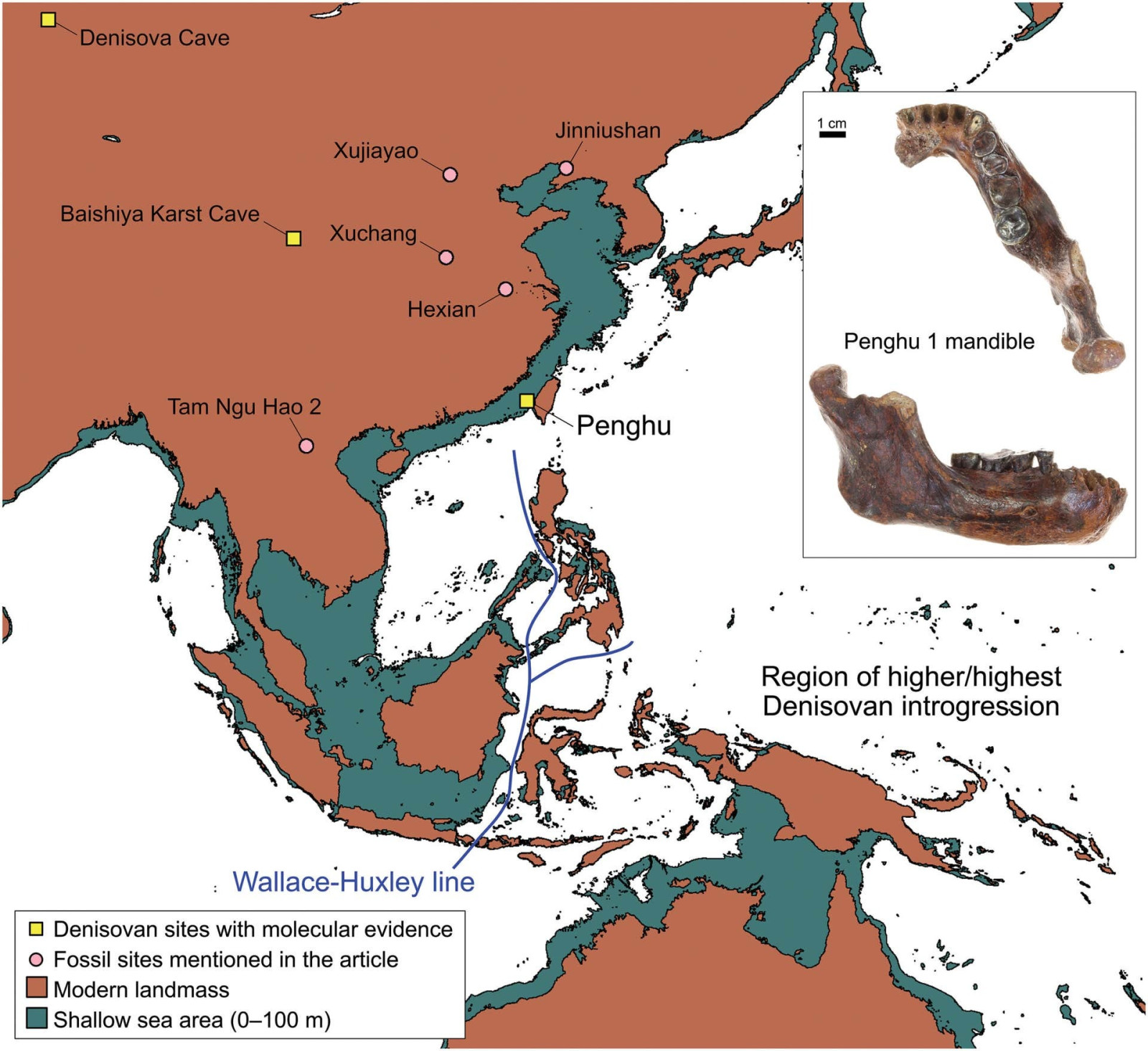
For years, knowledge about Denisovan distribution came mainly from genetic traces in modern humans. This fossil offers tangible proof these ancient hominins adapted to a variety of settings.
Advanced Methods Reveal the Jawbone’s True Origin
This discovery’s significance is heightened by the innovative technique used for identification. Traditional DNA testing often fails with fossils this ancient. Instead, as detailed in a recent Science article, scientists employed paleoproteomics. This approach analyzes ancient proteins from bones and teeth, enabling species identification even when DNA is not preserved.
Researchers extracted more than 4,000 amino acid residues from the jawbone’s tooth enamel, with two particular markers unique to Denisovans. Dr. Frido Welker, a contributor to the study, highlighted that this breakthrough definitively links the jawbone to Denisovans.
“What I think is exciting in this particular study is that we have studied the dental enamel of the teeth as well, and from that, we can deduce that this individual is a male individual.”
Denisovans’ Versatility in Different Environments
The discovery illustrates the remarkable adaptability of Denisovans. Their capacity to live in vastly different climates implies a species with notable ecological flexibility. Dr. Welker noted that their known habitats span a wide climatic range.
“When we think about the environments and climates, we have the Altai Mountains, the Tibetan plateau and vastly warmer and more humid environment that was present in the Taiwan Strait, which at the time was mainland East Asia,” he noted. “This signals a huge ability to adapt to very different environmental conditions, and survive in all those places.”
Physical features of Denisovans, such as their strong jawbones and large teeth, likely contributed to their survival across varied habitats. Still, it remains uncertain if these were species-wide traits or specific to male individuals.
“That’s something we’ll need more fossil evidence to confirm,” Dr. Welker said.
What Lies Ahead in Denisovan Research
Attempts to precisely date the fossil using uranium-based techniques were unsuccessful, leaving its age uncertain. Scientists estimate it falls somewhere between 10,000 and 190,000 years old. Despite this, the find remains a major milestone. Dr. Welker emphasized that combining paleoproteomic data with genetic insights may soon clarify Denisovans’ geographic and temporal range.
“With paleoproteomics and genetic methods, I hope that in the future we can better pinpoint where and when that happened.”
This discovery opens new avenues to understand the Denisovans’ interactions with Neanderthals and modern humans, as well as the causes behind their eventual extinction.
- Categories:
- Science








0 comments
Sign in to Comment