
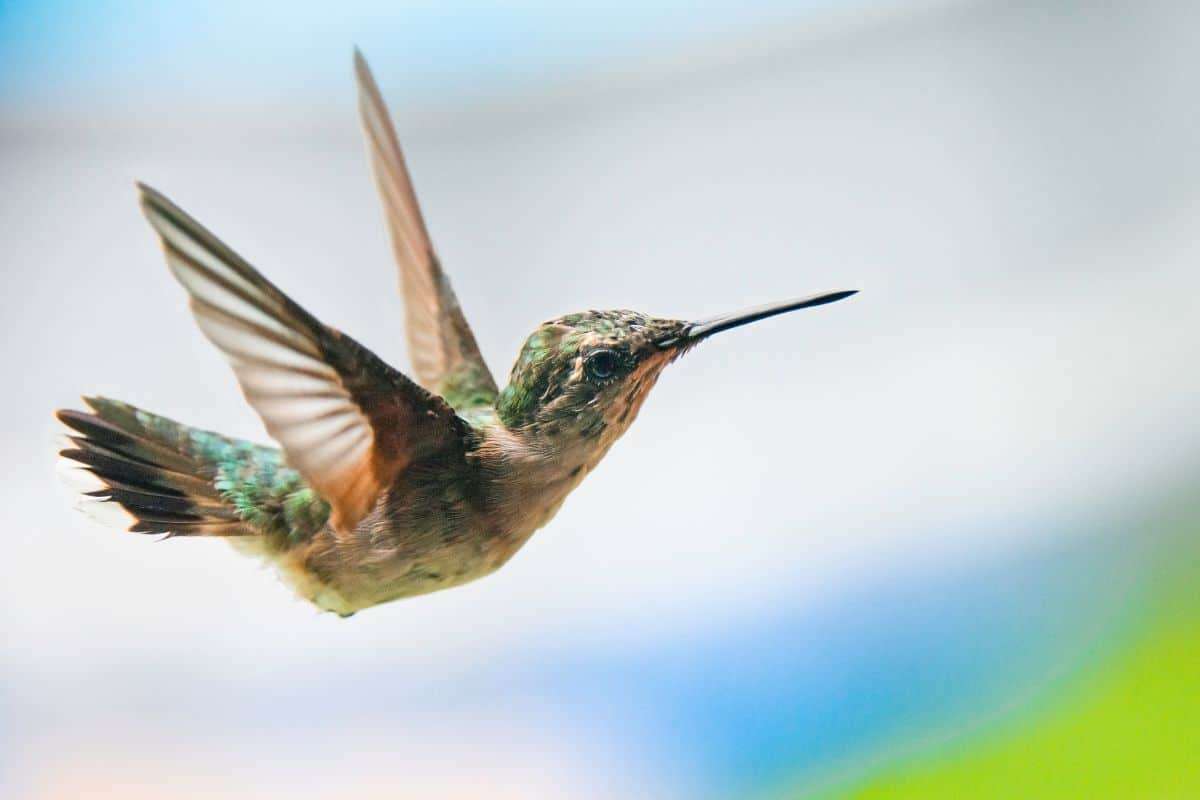
Birds-of-paradise have long captivated observers with their dazzling plumage and intricate courtship dances. Now, scientists have uncovered an extraordinary aspect of their allure: biofluorescence.
A collaborative research effort by experts at the American Museum of Natural History and the University of Nebraska-Lincoln has demonstrated that these birds emit a distinctive neon glow when exposed to ultraviolet (UV) light. This hidden shimmer, invisible to the naked eye, could be a pivotal factor in how they select mates and communicate socially.
Unveiling a Hidden Visual Language
While the elaborate rituals of birds-of-paradise have fascinated researchers for years, this new finding reveals their signaling methods are even more intricate than believed.

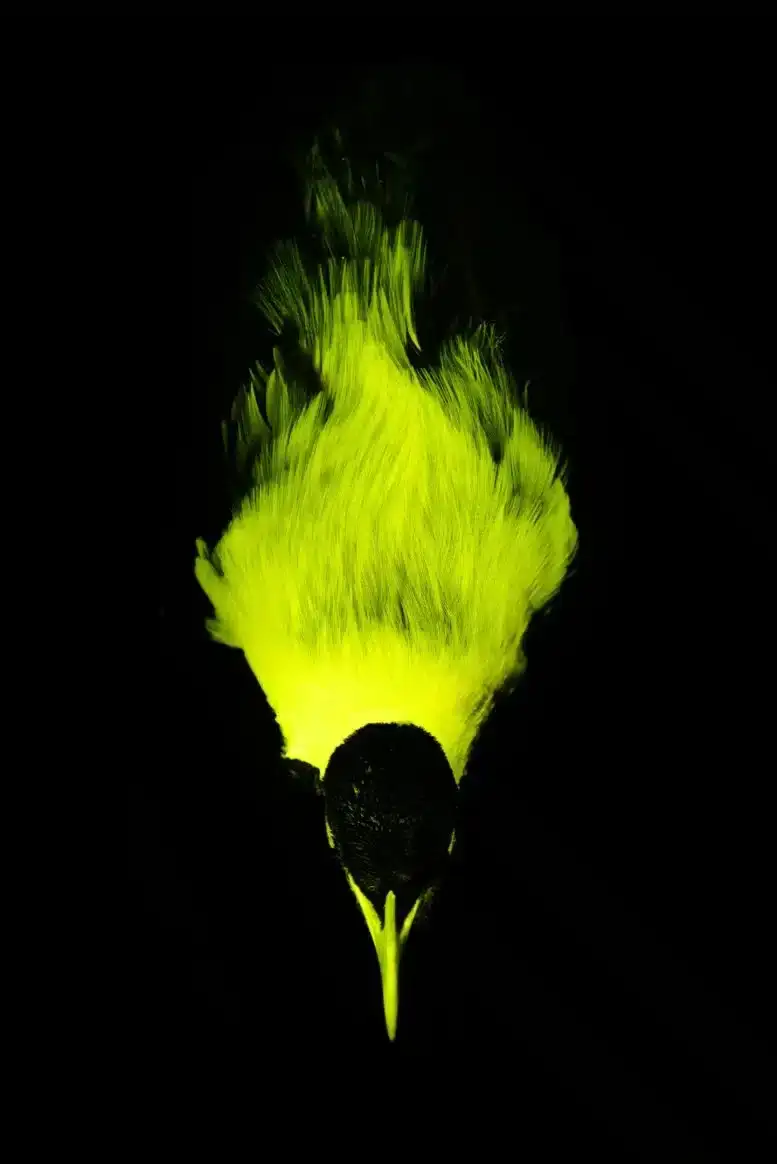
Published in Royal Society Open Science, the study identified that 37 out of 45 species tested display biofluorescent properties, with males showcasing bright green and yellow highlights on their beaks, feet, and feathers.
This glowing effect, unseen during daytime, likely amplifies their visual communication during mating, and could aid in asserting dominance among rivals.
“It seems fitting that these flashy birds are likely signaling to each other in additional, flashy ways,” said Rene Martin, lead author of the study.
Understanding Biofluorescence
Biofluorescence happens when an organism absorbs specific wavelengths of light and re-emits them as different colors. Although well documented in marine creatures like sharks, turtles, and corals, it has rarely been observed in avian species.
John Sparks, curator at the American Museum of Natural History, who has extensively studied biofluorescence in various fish and aquatic organisms, hypothesized that birds-of-paradise might also exhibit this trait because of their vivid visual displays.
This investigation confirms his prediction, showing that these birds fluoresce under blue and ultraviolet illumination.
Which Species Shine the Brightest?
Not all bird species exhibit this glowing feature. While bowerbirds and fairy wrens showed no fluorescence, birds-of-paradise displayed intense glowing patterns, particularly on body parts emphasized during their mating performances.
Male birds demonstrate the most vivid fluorescence—especially on their bills, feet, and select feathers—highlighting key display areas. Females show subdued biofluorescence, primarily on their chest and belly plumage.
“These birds inhabit dense forests where canopy light filtering creates complex lighting conditions, potentially amplifying their biofluorescent signals,” explained Emily Carr, a doctoral candidate contributing to the research.
Can These Birds Perceive Their Glow?
Researchers suspect that birds-of-paradise can detect their own biofluorescent emissions, despite humans being unable to see them. Earlier work on related avian species shows that their visual pigments align well with the fluorescence wavelengths identified in this study.
This indicates that biofluorescence could function as a heightened visual cue, contrasting against darker feathers to make important features conspicuously stand out during mating displays.
Sparks emphasized that although many bird species have been analyzed for striking colors and mating behaviors, biofluorescence as a signaling mechanism has been largely neglected.
- Categories:
- Science
















0 comments
Sign in to Comment