
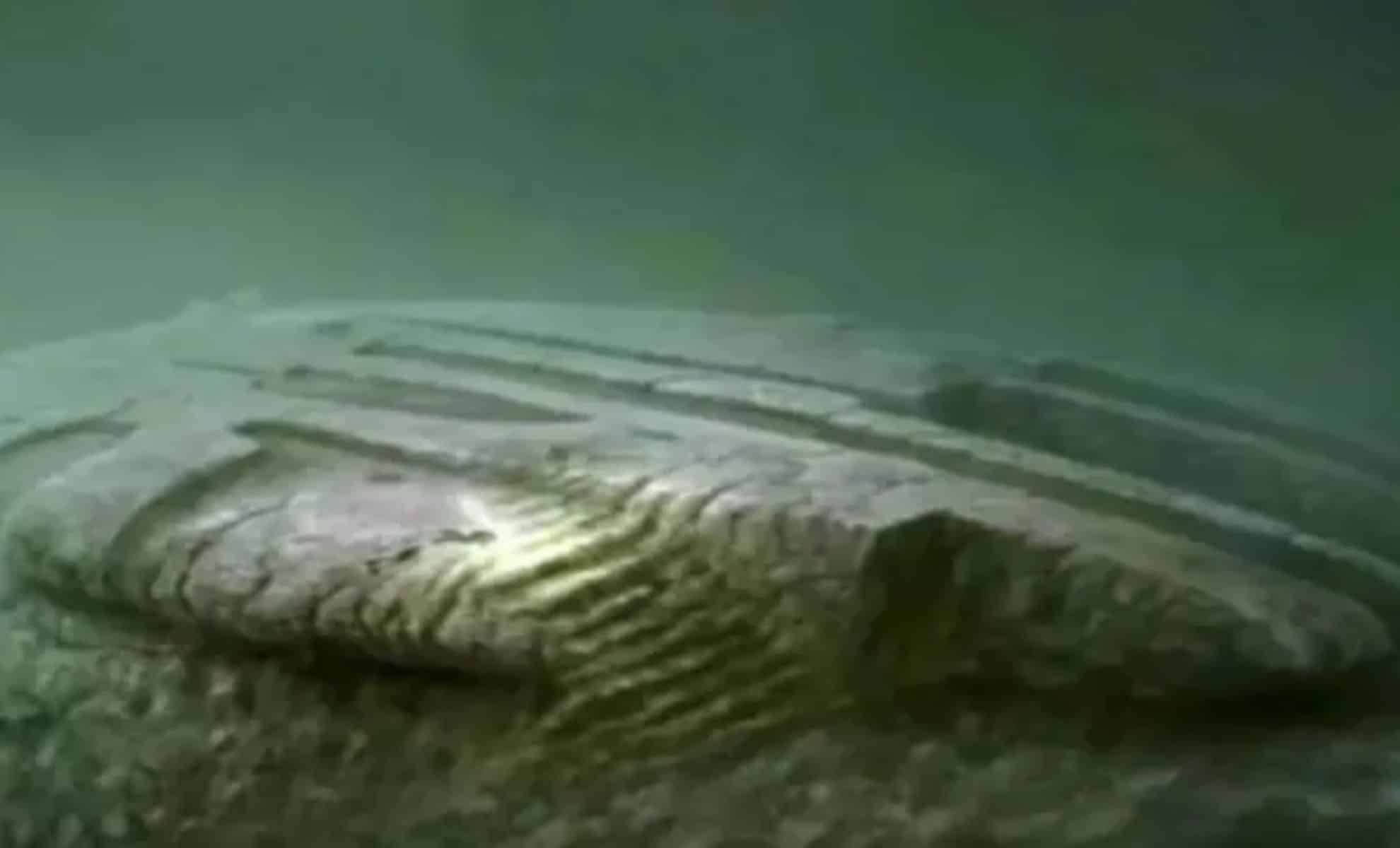
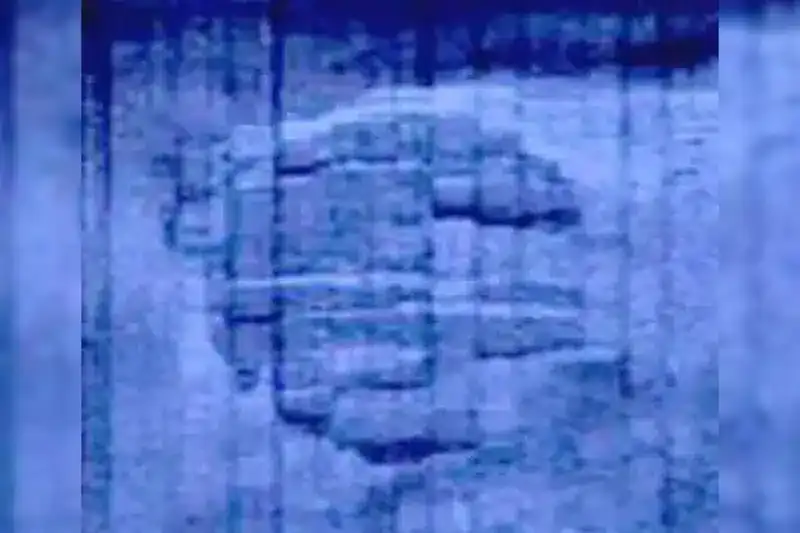
More than ten years after sonar scans unveiled an unusual circular formation featuring steps descending into the depths beneath the Baltic Sea, this enigmatic site continues to captivate experts and enthusiasts alike. Dubbed the Baltic Sea Anomaly, this large object was first identified in 2011 by a Swedish treasure-seeking crew and later rose to fame after being spotlighted by the Discovery Channel as well as numerous global media outlets.
The original sonar image, publicized by the diving team Ocean X, turned the anomaly into an intriguing subject blending geological possibilities, speculative theories, and elements of science fiction.
From Routine Scan to Startling Discovery
The journey began during what was supposed to be a concluding sonar sweep. Ocean X expedition leaders Peter Lindberg and Denis Åsberg were concluding a nine-day mission in the Gulf of Bothnia, nestled between Sweden and Finland, when they decided to scan the sea floor once more. Their final pass revealed something unexpected: a perfectly circular object resting roughly 90 meters below the water’s surface.

Measuring approximately 60 meters in diameter, the formation featured a dome-like elevation with stair-step patterns leading down to a shadowy central cavity. A second unexplained object was detected nearby, about 200 meters away. “We were genuinely amazed and perplexed,” Åsberg remarked. “This clearly wasn’t a typical shipwreck.”
Initially, the team speculated it might be a natural rock formation. However, presentations of their findings to geologists and marine scientists consistently elicited the same response: nothing quite like this had been seen before.
Equipment Malfunctions at 300 Feet Depth
The mystery deepened when Ocean X returned for dives around the anomaly. Diver Stefan Hogerborn reported that all electronic devices, including satellite phones, ceased functioning while positioned directly above the structure. “Any electrical equipment, plus the satellite phone, would fail as soon as we were over the object,” he shared. “But when we moved around 200 meters away, they started working again.”
This odd behavior, combined with the object's unusual geometry, fueled a surge of online speculation. Ideas ranged from it being a downed extraterrestrial spacecraft to a covert World War II bunker, a Nazi superweapon, or even remnants of a mythical Atlantis civilization.
Scientific Scrutiny and Continuing Debate
Following the initial fascination, scientists sought to investigate the anomaly’s nature. Ocean X collected physical samples from the site for analysis, which were examined by Stockholm University marine geologist Dr. Volker Brüchert. His assessment was largely typical: the samples consisted mainly of granite, gneiss, and sandstone, rock types commonly shaped by glacial forces from the Ice Age.
Brüchert also identified a large specimen resembling volcanic rock, proposing that the formation might have originated from a submerged volcanic source or glacial events dating back approximately 140,000 years.
Contrasting views exist, however. Geologist Steve Weiner, affiliated with the University of Texas, reportedly conducted independent testing and suggested the material included “metals unnatural to geological processes.” This assertion remains unconfirmed by peer-reviewed studies and continues to be a subject of controversy.
Natural Phenomenon or Lost Artifact?
As attention grew, Discovery Channel produced a special on the anomaly, unearthing additional insights over time. Many specialists, including marine archaeologist Göran Ekberg, now favor the explanation that it is a moraine—a glacially deposited mound of stones and sediment. Despite its remarkable symmetry, Ekberg noted, “Nature has created stranger formations than this.”
Even Peter Lindberg, who helped discover the anomaly, remains uncertain. “I’ve always been the biggest questioner,” he admitted. “I anticipated encountering just rock. It’s been an incredible journey.” He acknowledges that pinpointing the structure’s true nature is challenging, especially since “various scientists hold very different theories.” Regardless of its true origin, the Baltic Sea Anomaly stands as one of the most compelling submerged enigmas of recent years.
- Categories:
- News











0 comments
Sign in to Comment