
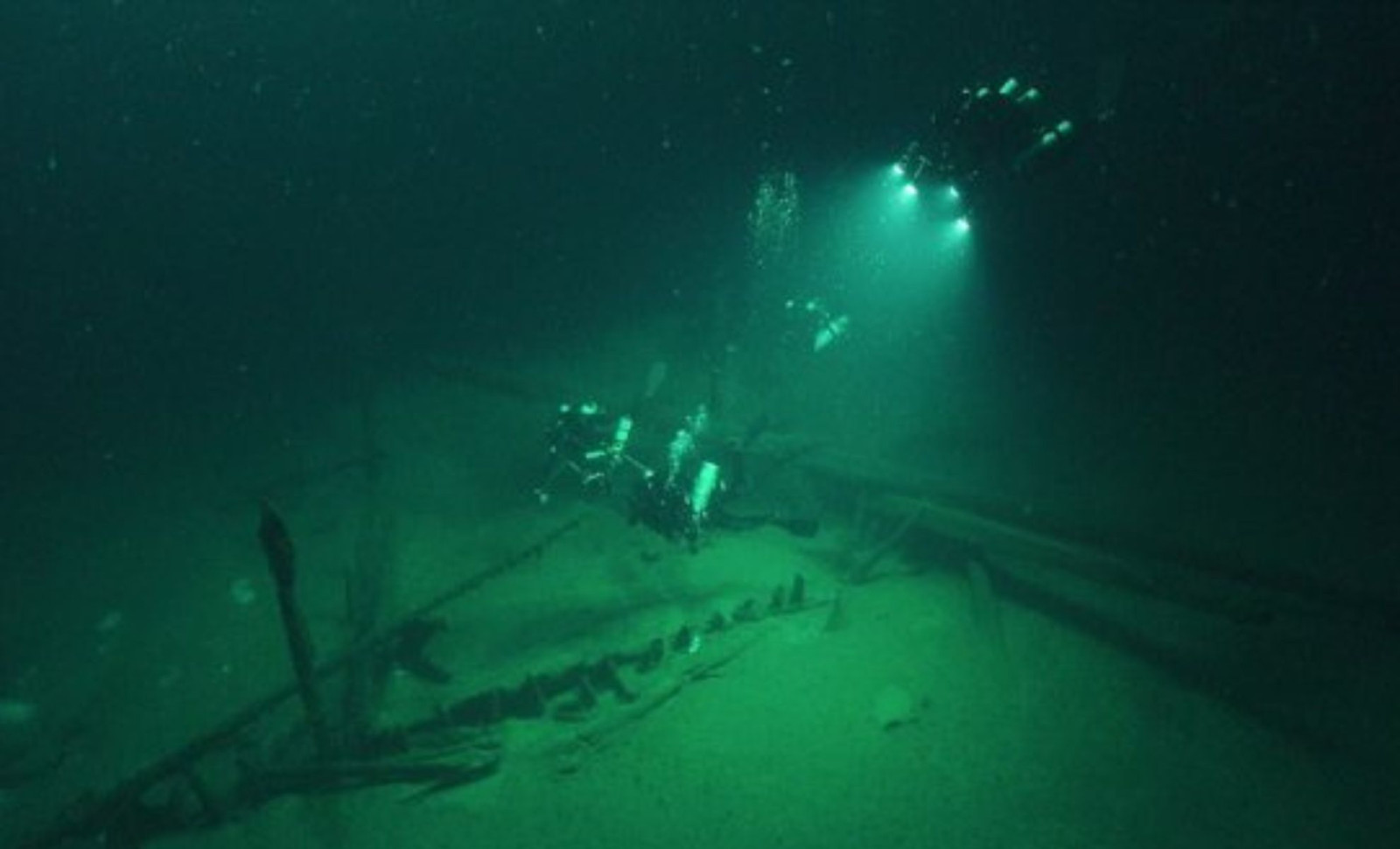
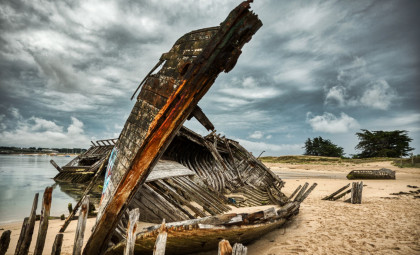
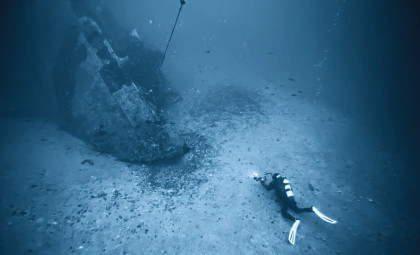
Deep beneath the Black Sea, at over 1.2 miles underwater, explorers have uncovered a 75-foot-long Greek merchant ship dating back 2,400 years. This shipwreck stands out as the most well-preserved ancient vessel ever discovered, challenging current knowledge about what can endure intact in marine environments over millennia.
This find is part of the Black Sea MAP initiative, which has identified upwards of 60 shipwrecks spanning multiple historical eras. The team’s findings include Roman cargo ships loaded with amphorae as well as a 17th-century Cossack raiding fleet, revealing how this sea was a bustling thoroughfare for centuries.
The research extends beyond sunken ships, investigating submerged ancient shorelines to better understand how human populations adapted to rising sea levels over time.

A Timeless Vessel Preserved in Anoxic Waters
The ship lies in waters exceeding 2 kilometers in depth, where oxygen is virtually absent. This anoxic zone prevents decay by halting the activity of wood-consuming organisms, explaining the exceptional preservation of the wooden structure after thousands of years.
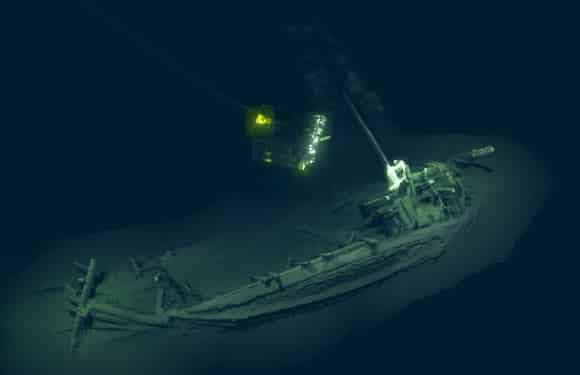
Professor Jon Adams from the University of Southampton expressed astonishment, stating that such preservation of a Classical-era ship is something he "never expected to witness." The ship’s framework has remained mostly undisturbed, an extraordinary rarity for ancient maritime wrecks.
Numerous Shipwrecks Portraying a Rich Maritime Past
The Black Sea MAP project has cataloged over 60 shipwrecks from diverse historical periods. Their discoveries range from Roman trading vessels to ships associated with later regional warfare.
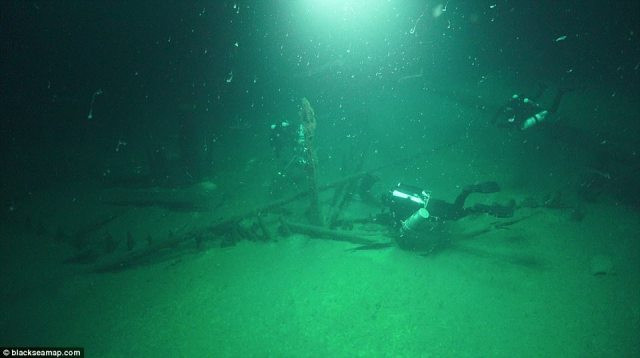
Collectively, these findings underscore the Black Sea’s critical role as a hub for commerce and navigation across different eras. The recently found Greek ship from the Classical era contributes valuable insight into that extensive maritime legacy.
“A ship, surviving intact, from the Classical world, lying in over 1.2 miles of water, is something I would never have believed possible,” said Professor Adams, the project’s lead researcher.
Sunken Ancient Village Discovered Beneath the Seabed
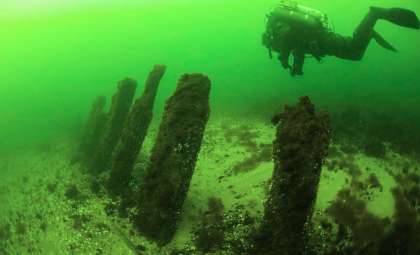
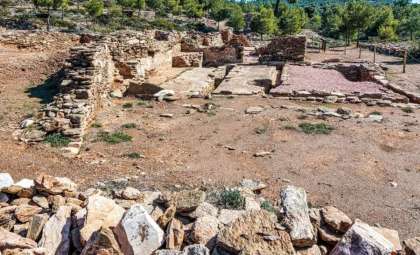
Close to Bulgaria’s Ropotamo area, the team also identified an early Bronze Age settlement submerged beneath the seabed. What was once a coastal community now lies beneath the water.
Archaeologists found remains such as houses, fireplaces, and pottery located approximately 2.5 meters under the current sea level. As the waters gradually rose, the location transformed into a bay later frequented by Greek settlers, Byzantine sailors, and eventually the Ottoman navy.
- Categories:
- News


0 comments
Sign in to Comment