
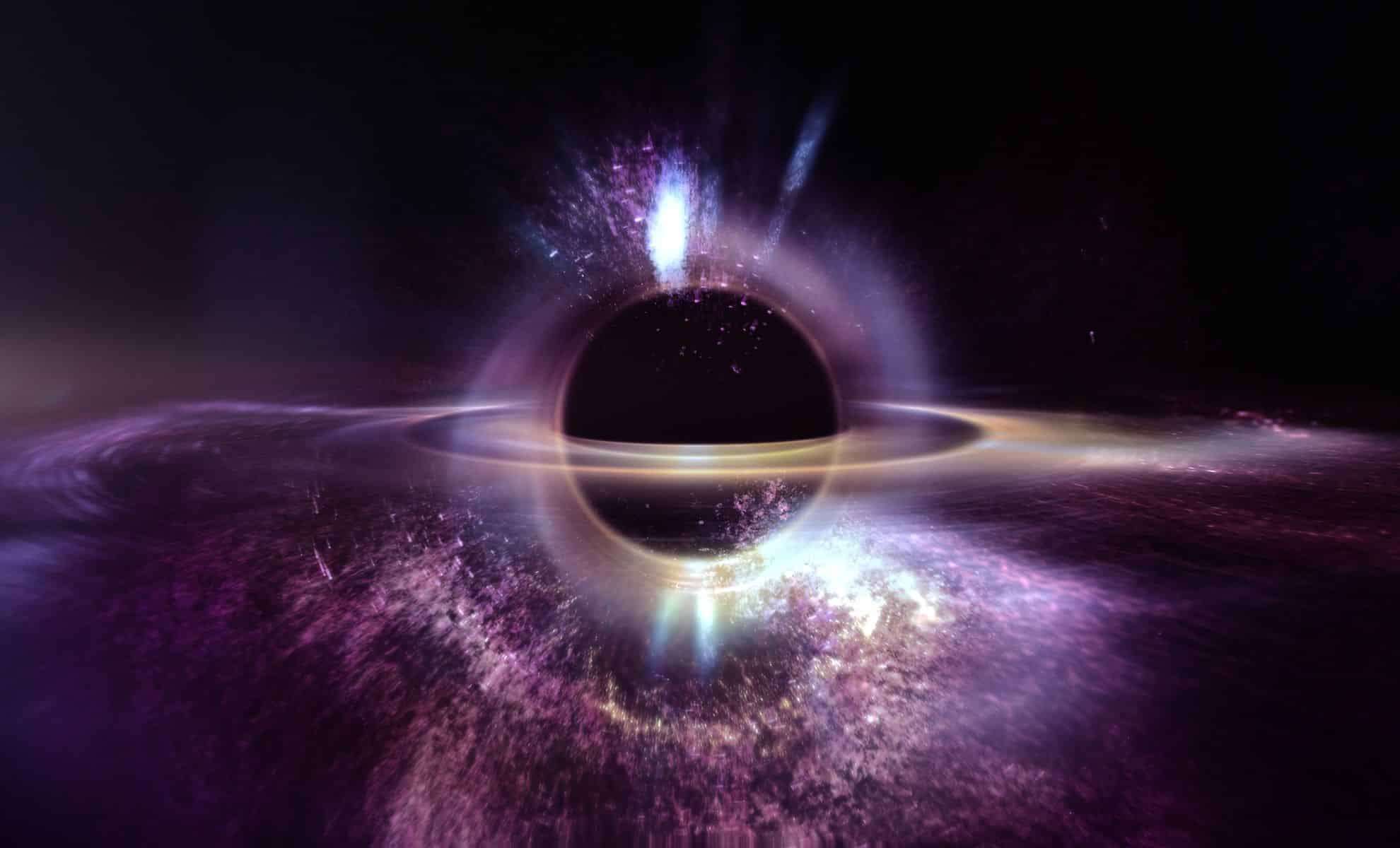
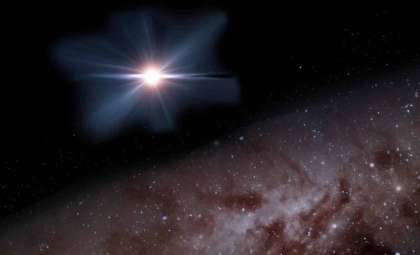
Black holes from the universe’s infancy, known as primordial black holes, could have rapidly expanded into supermassive black holes, new cosmological simulations indicate. This research may offer answers to a longstanding mystery in cosmology: how did these giant black holes attain such vast sizes so soon, especially before the universe was even 1 billion years old?
Immense Black Holes Emerging Early in Cosmic History
Leveraging the power of NASA’s James Webb Space Telescope (JWST), scientists have observed supermassive black holes believed to have existed within 700 million years post-Big Bang—or perhaps even earlier epochs.
The detection of these gigantic black holes so near the universe’s beginning challenges existing cosmological frameworks. John Regan, a research fellow at Maynooth University, Ireland, stated, “This suggests that supermassive black holes were established remarkably early in cosmic time, forming within just a few hundred million years.”

Conventional black hole formation models propose gradual growth over billions of years through matter accumulation or mergers with other black holes. Regan noted, “We lack evidence that black holes originate with immense masses and do not yet understand how small black holes might expand so swiftly.”
Understanding Primordial Black Holes
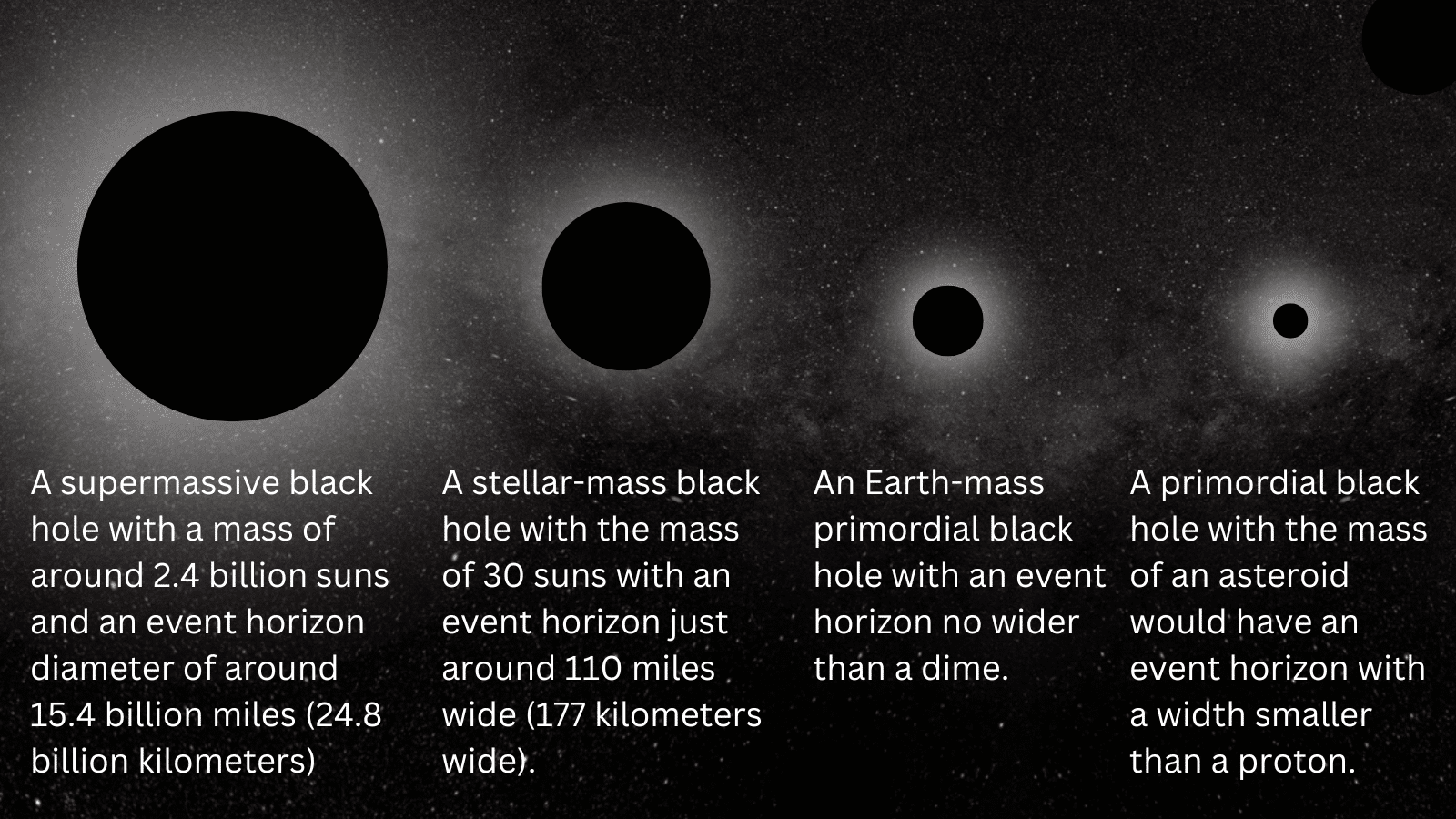
Primordial black holes differ from typical astrophysical black holes by originating directly from dense fluctuations in the universe’s earliest moments. These theoretical black holes would not result from dying stars, unlike stellar-mass black holes, nor would they come from merging smaller black holes. Instead, they would form amid the extreme conditions occurring in the first seconds after the Big Bang.
Although no conclusive observational proof of primordial black holes exists yet, their presence has been hypothesized as a potential explanation for dark matter, the elusive substance constituting around 85% of all matter in the cosmos but invisible to detection methods.
These primordial black holes could vary widely in scale, ranging from fractions of a gram in mass to objects as massive as 100,000 Suns combined.
Are Primordial Black Holes the Missing Link in Rapid Black Hole Growth?
Simulations conducted by Regan and colleagues suggest that primordial black holes might have advantages over astrophysical black holes when it comes to quickly growing into supermassive black holes.
Regan emphasized, “Forming within seconds after the Big Bang, primordial black holes—if they exist—could start out larger than astrophysical black holes and might settle swiftly at galactic centers, where rapid mass gain occurs.”
Unlike stellar-mass black holes that depend on the lifecycle of massive stars, primordial black holes would bypass these developmental delays. They would also avoid the impact of stellar radiation, which tends to clear surrounding material necessary for growth.
Hidden Clues from the Big Bang Era
Though these simulation results are promising, they are far from conclusive. The researchers plan to enhance their models by incorporating both primordial and astrophysical black holes within single environments to detect any unique signatures. Observational efforts will also be crucial for substantiating the existence of primordial black holes.
Detecting a low-mass black hole in the current cosmos could signal an origin separate from massive star collapse, indicating it may be a remnant primordial black hole.
The team is also investigating signs of primordial black holes formed within the universe’s first 500 million years post-Big Bang. Regan mentioned, “Whether primordial black holes entirely account for early supermassive black holes depends on their abundance. While it’s theoretically feasible, astrophysical black holes likely contribute as well.”
- Categories:
- News




0 comments
Sign in to Comment