

Researchers have recently identified a downward trend in the Earth's ability to reflect sunlight, a factor that has profound implications for climate dynamics. This revelation stems from a comprehensive analysis spanning over twenty years, led by Norman Loeb at NASA’s Langley Research Center and documented in the Proceedings of the National Academy of Sciences. The planet's albedo—the measure of its surface reflectivity—has been decreasing, revealing important changes in how solar energy is distributed between the northern and southern hemispheres. These insights could enhance our predictive understanding of climate behavior globally.
Key Discovery: Earth's Surface Reflectivity on the Decline
Over the interval from 2001 to 2024, scientists have observed a consistent decline in Earth's reflectivity, which refers to how much sunlight the planet bounces back into space. The decrease is more evident in the northern hemisphere compared to the southern. Satellite observations underpin these findings, showing a subtle but measurable drop in the planet's surface albedo over these years.
“Typically, the southern hemisphere experiences a net gain of radiative energy at the top of the atmosphere, whereas the northern hemisphere experiences a net loss,” the researchers explained. This growing disparity in solar energy distribution stems from atmospheric shifts that have not fully resolved this imbalance. Although energy transport mechanisms like oceanic and atmospheric circulation work to redistribute heat, they have not been adequate to even out these hemispheric differences.

The Northern Hemisphere’s Darkening: Melting Ice and Changing Surfaces
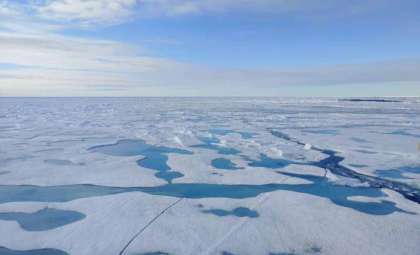
The northern hemisphere is the focal point for much of the reflective decline, driven predominantly by shrinking sea ice and diminishing snow coverage. These icy surfaces typically reflect a significant chunk of incoming solar radiation, playing a crucial role in regulating the Earth's energy budget. As ice caps recede and snow fields vanish, darker terrains such as ocean water and exposed rock become more prominent, absorbing more sunlight and reducing reflectivity.
The researchers emphasize that while the decrease in albedo is statistically meaningful, the numerical scale is modest—”Considering the solar radiation input averages between 240 and 243 watts per square meter, the detected drop of 0.34 watts per square meter per decade appears minor.” Nonetheless, even small shifts in reflectivity can lead to substantial long-term effects on climate, especially in sensitive regions like the Arctic, where ice loss exacerbates warming trends.
The Southern Hemisphere: Aerosols and Environmental Influences
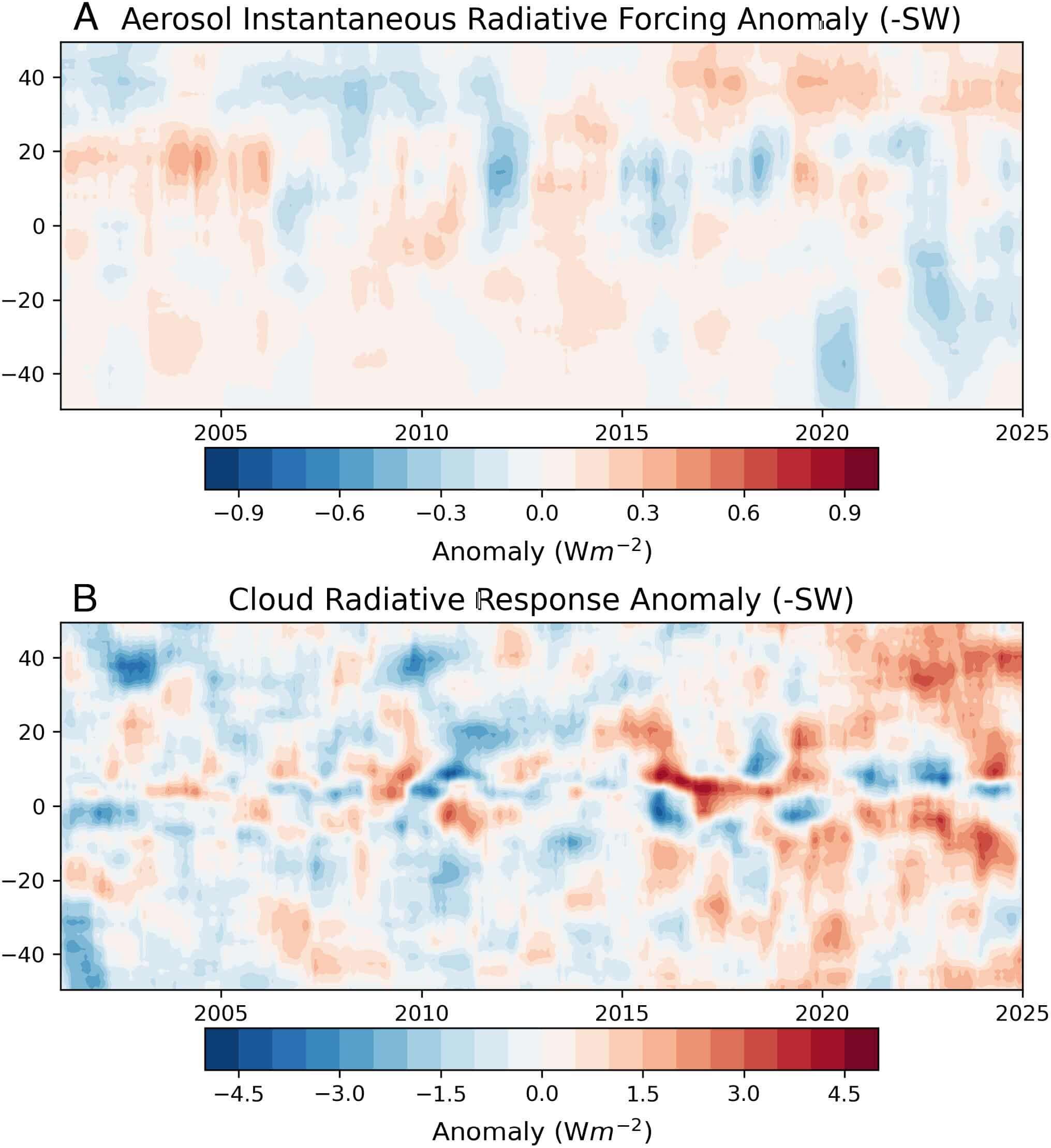
Unlike its northern counterpart, the southern hemisphere’s reflectivity patterns are shaped by different forces, chiefly the rise in aerosol levels. Aerosols—microscopic particles suspended in the atmosphere—promote cloud formation that helps reflect sunlight away. Environmental disturbances such as Australian bushfires and the Hunga Tonga volcanic eruptions in 2021 and 2022 have elevated aerosol concentrations, resulting in increased sunlight reflection and tempering the decline seen elsewhere.
The study also notes a contrast with the northern hemisphere, where pollution control efforts have reduced aerosol quantities. Consequently, the southern hemisphere demonstrates a less dramatic decline in reflectivity compared to the north.
- Categories:
- News











0 comments
Sign in to Comment