
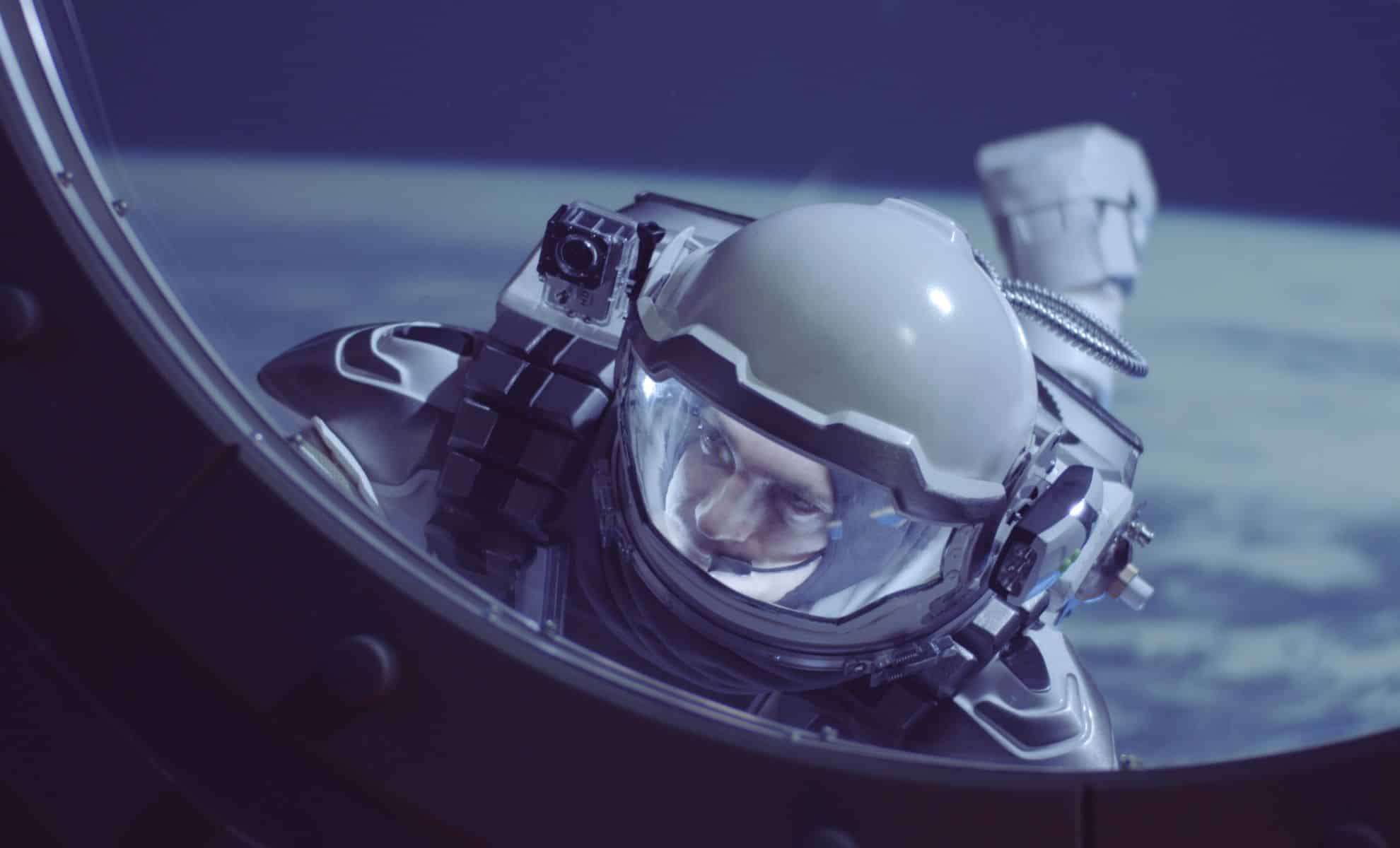
In 2003, China's pioneering astronaut, Yang Liwei, experienced an eerie and perplexing sound during his inaugural mission: an unexplained series of knocks. While navigating the vast void of orbit, this noise seemed to have no discernible origin, neither inside nor outside the spacecraft. Despite Yang’s diligent efforts to identify the source, the cause remained a mystery. He later recounted this unusual encounter in a BBC interview, which has since fueled curiosity and debate. Experts have proposed various hypotheses, yet the true nature of the knocking continues to elude definitive explanation and has become an anticipated occurrence for astronauts embarking on later missions.
Unraveling the Knocking Sound Heard in Orbit
Yang Liwei’s vivid description of a knocking noise while circling the Earth captivates and mystifies at the same time. He likened the sound to "someone tapping the body of the spacecraft like a wooden hammer striking an iron bucket." What made it so unsettling was the absence of any clear source — the noise seemed neither to come from inside the cabin nor from outside. “It did not originate from either outside or inside the craft,” Yang recalled, visibly confused by the experience. Inspecting the windows revealed nothing unusual, leaving the astronaut puzzled and concerned.
This strange phenomenon was not confined to Yang’s mission alone. Later Chinese space travelers reported hearing similar knocking sounds during their flights, prompting questions about what might cause such noises. Over time, Yang grew familiar with the sound and regarded it as a typical aspect of spaceflight. But what exactly causes these unexplained knocks?


Sound in the Vacuum: Understanding Why Space Is Silent
The root of Yang’s bafflement stems from the fundamental physics of sound propagation. Space is essentially a vacuum, void of air, liquids, or solids needed to carry sound vibrations. On Earth, sound travels through mediums such as air particles or water, enabling us to hear. In the absence of such media, sound waves cannot move through space.
Professor Goh Cher Hiang, a space engineering specialist at the National University of Singapore, points out: “Sound requires a medium to travel—whether it is air molecules, water, or solid matter.” Based on this principle, hearing anything while in the vacuum of space should be impossible. So, what explained the knocking perceived inside Yang’s spacecraft? Was there another explanation beyond conventional sound?
Investigating Causes: External Impacts or Structural Shifts?
One hypothesis suggests the knocking could stem from an actual physical interaction with the spacecraft. Professor Goh Cher Hiang offers, “If knocking is involved, something physical might be striking the spacecraft.” Nevertheless, confirming such an impact is challenging, as the noise appeared neither inside the vessel nor definitively outside it.
Alternatively, Wee-Seng Soh, also with expertise in space operations, proposes the knocking may originate from temperature-driven structural changes. As the spacecraft endures extreme temperature swings during each orbit, thermal expansion or contraction might cause creaking or knocking noises. “The exterior temperature fluctuations could significantly deform the spacecraft materials, triggering such sounds,” Soh explains.
Recurring Mystery: Other Spacefarers Encounter the Same Sound
Yang’s experience wasn’t solitary. According to Chinese reports, astronauts on missions in 2005 and 2008 also encountered similar knocking sounds. This repetition suggests the noise may be a regular, yet unexplained, aspect of space missions. Aware of the phenomenon’s likelihood, Yang prepared his fellow astronauts, advising them not to be alarmed if they heard similar knocks.
Over years of space exploration, the knocking sound has become an accepted part of astronaut life—no longer a signal of danger but a fascinating quirk of spaceflight. While many astronauts have experienced it firsthand, the definitive cause remains a puzzle, keeping this space sound mystery alive.
- Categories:
- News









0 comments
Sign in to Comment