
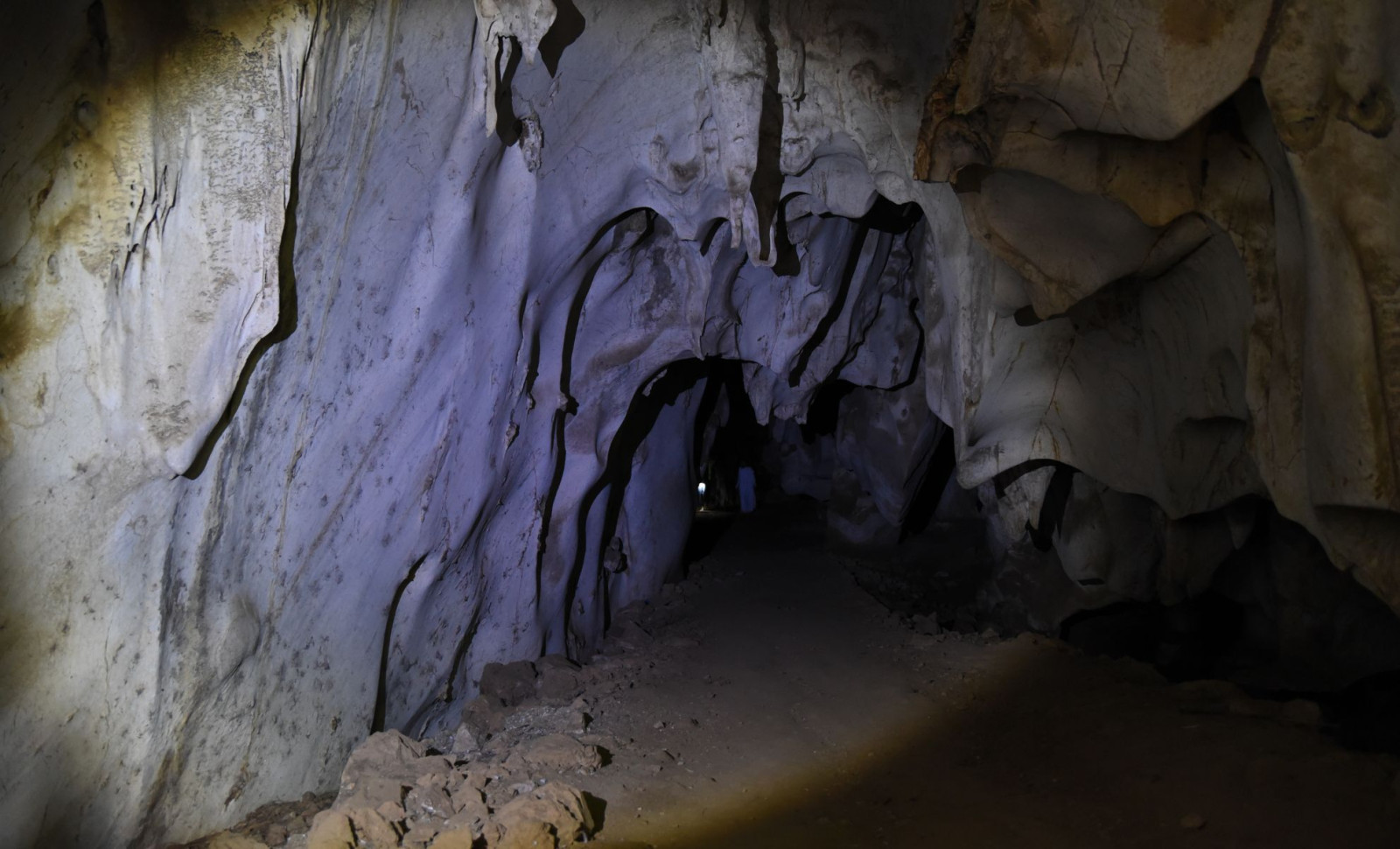
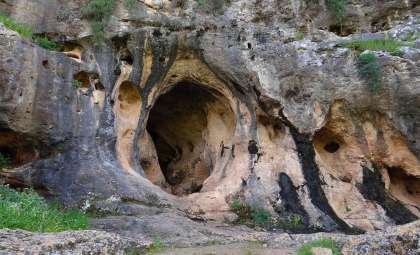
Researchers have accessed a previously sealed chamber within Gorham’s Cave, located on the Rock of Gibraltar, which has remained closed for an astounding 40,000 years. The discoveries inside have astonished experts, potentially rewriting our understanding of ancient human relatives.
Gorham’s Cave is renowned for its archaeological significance, but this latest excavation introduces fresh exciting insights. Situated at Gibraltar’s southeastern point, it has long been a hotspot for Neanderthal relics. Over the years, archaeologists have uncovered numerous artifacts that chronicle the lives of these archaic humans. This new chamber, however, offers revelations unlike any before.
Neanderthals Displayed Remarkable Sophistication
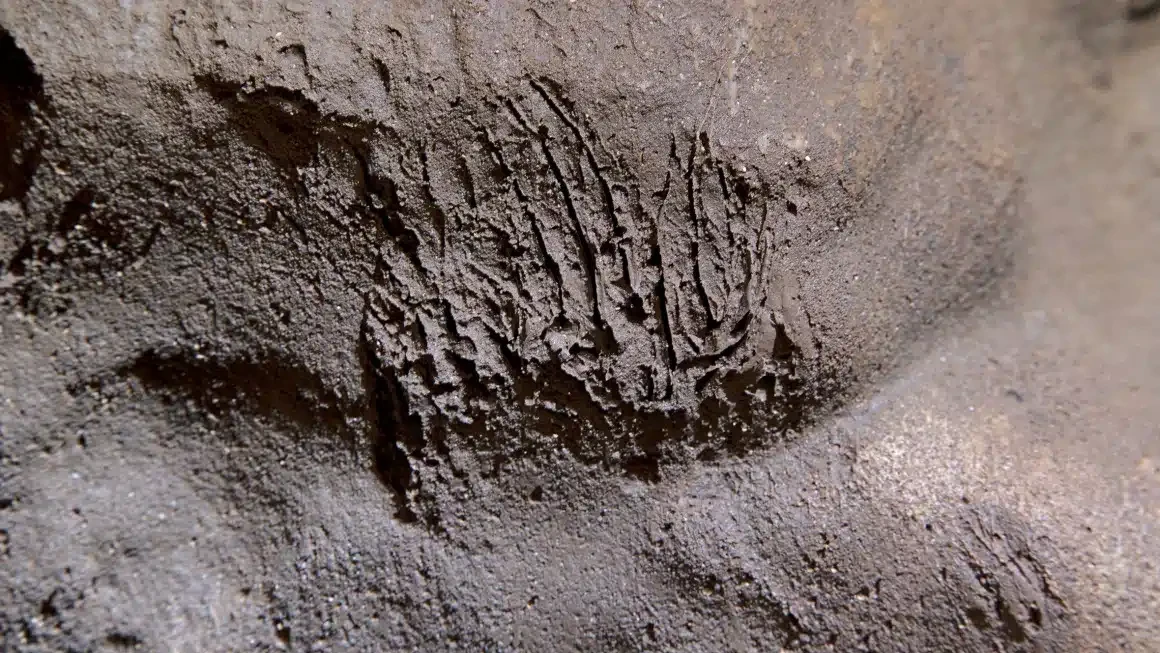
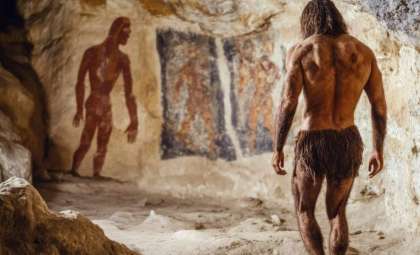
One striking outcome of this excavation is the evidence suggesting Neanderthals exhibited behaviors previously attributed solely to modern humans. According to Gibraltar National Museum, findings indicate Neanderthals not only exploited birds and marine resources for food but also used feathers for ornamental purposes and created abstract rock art. These sophisticated cultural traits challenge the outdated stereotype of Neanderthals as primitive.

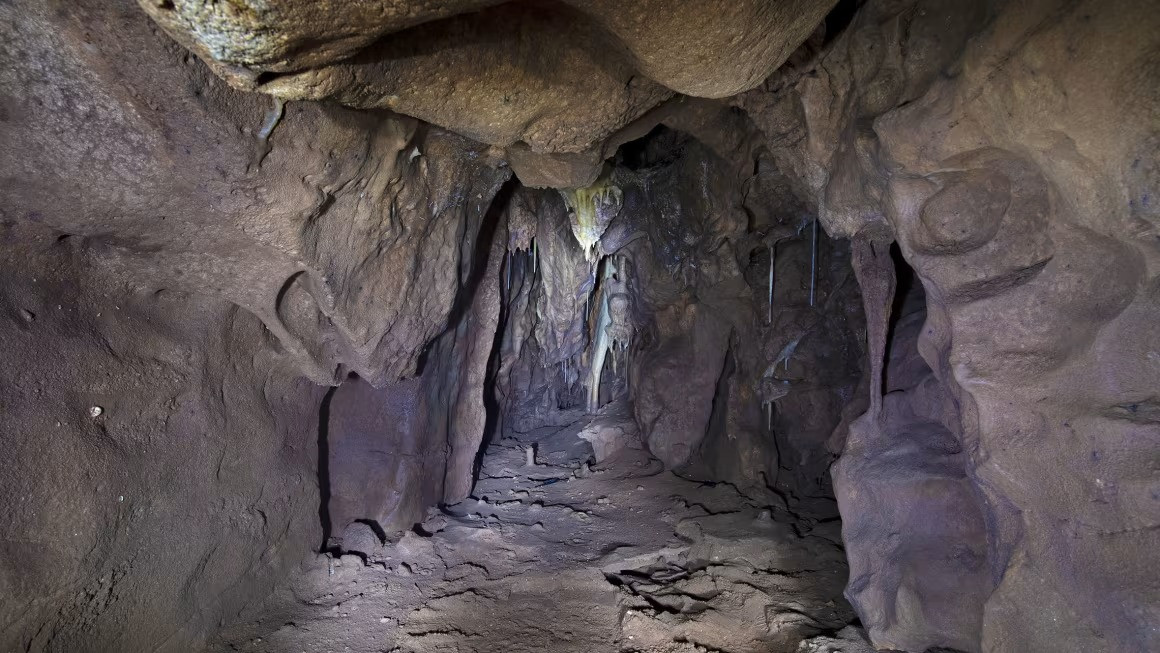
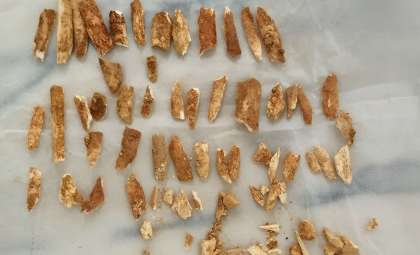
Although no human remains were uncovered in this recently found section, the array of tools discovered paints a vivid picture of a people far more capable than previously assumed.
Neanderthal Innovation Surpasses Expectations
The unearthing of a glue production oven dating back 60,000 years represents a remarkable find. Experts suggest Neanderthals used this apparatus to manufacture birch tar, a natural adhesive likely utilized to fix tools onto wooden handles. Clive Finlayson, director of the Gibraltar National Museum, highlights this as proof of Neanderthals’ unexpected technical skills.
“The whelk is at the back of that cave… it’s probably about 20 meters from the beach,” he stated. “Somebody took that whelk in there… over 40,000 years ago. So that’s already given me a hint that people have been in there, which is not perhaps too surprising. Those people, because of the age, can only be Neanderthals.”
Describing Neanderthals as mere hunters understates their capabilities. The discoveries show they were also creative toolmakers, builders, and skilled in preparing complex materials for daily use.
The Cave’s Mysteries Continue
While some secrets of the chamber have been revealed, much remains hidden beneath the surface. Finlayson expressed his excitement at entering a space untouched for tens of thousands of years—a rare privilege for any archaeologist, filled with immense anticipation about future finds.
“How many times in your life are you going to find something that nobody’s been into for 40,000 years? It only comes once in your lifetime, I think.”
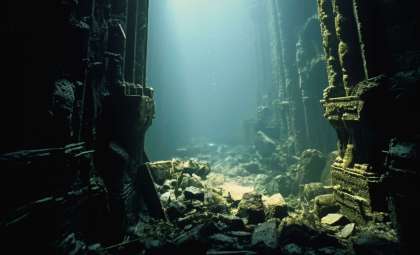
It is believed the cave system extends far deeper than initially realized. There could be additional chambers, further artifacts, and new clues shedding light on Neanderthal existence.
“As we dig, it’s only going to get bigger and bigger and bigger,” he said. “So the chances are we have an enormous cave there. And as we go down there may even be so passages. So it’s extremely exciting.”
- Categories:
- Science






0 comments
Sign in to Comment