

The European Space Agency (ESA) is advancing plans for an extraordinary expedition to Enceladus, Saturn’s icy moon, regarded as a prime candidate in the hunt for life beyond Earth. Set for launch in the 2040s, this mission aims to deploy both an orbiter and a lander to probe Enceladus’s frozen exterior and its concealed subsurface ocean. The mission holds promise for groundbreaking discoveries about the existence of life elsewhere in our solar system.
Exploration Strategy: Two Craft for Comprehensive Study
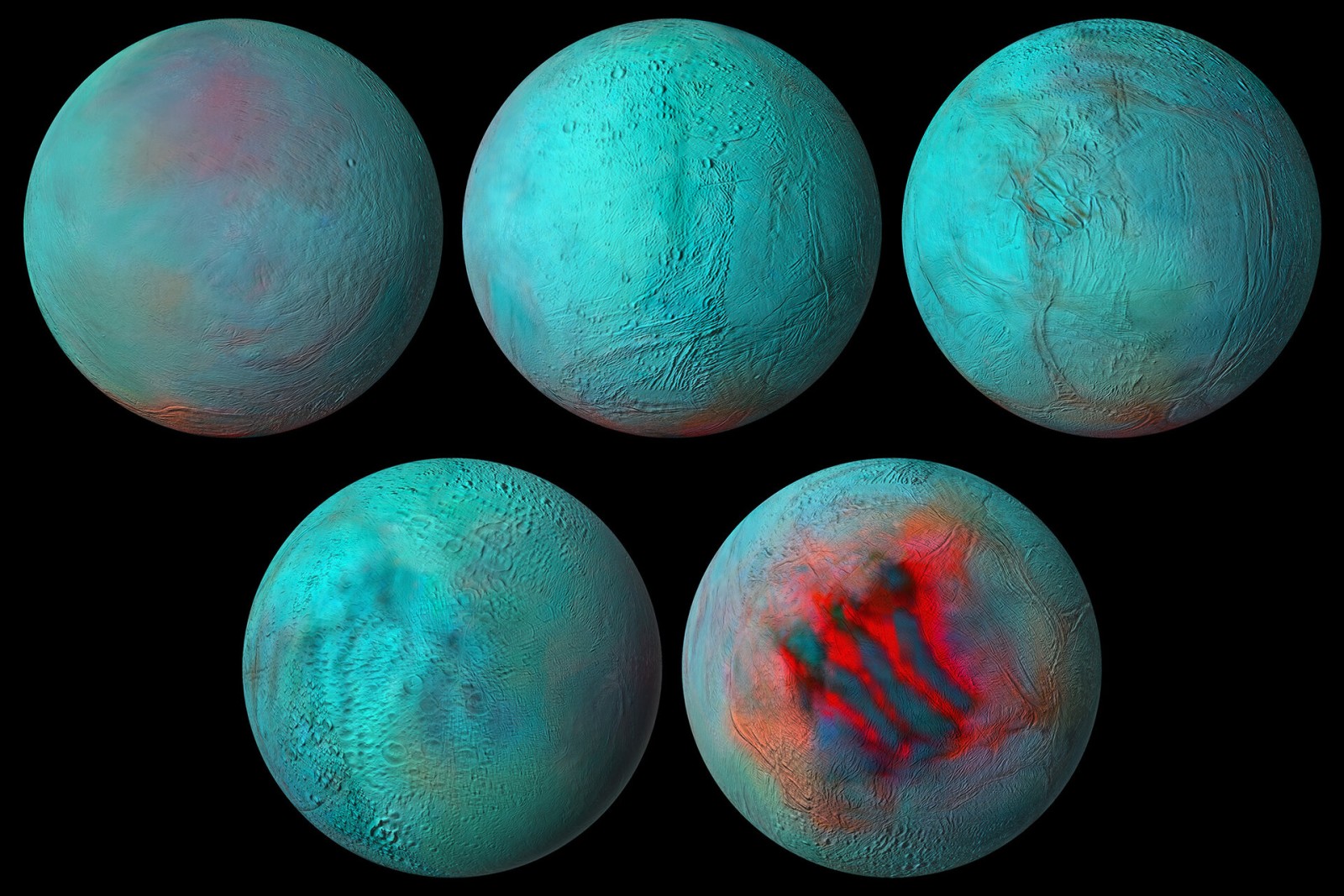
Despite its small size, Enceladus’s icy crust envelops an extensive liquid ocean beneath, a discovery made by NASA’s Cassini spacecraft. ESA’s Dr. Jörn Helbert highlights the mission as a unique chance to directly sample water from this ocean, thanks to geysers spewing ocean water into space.
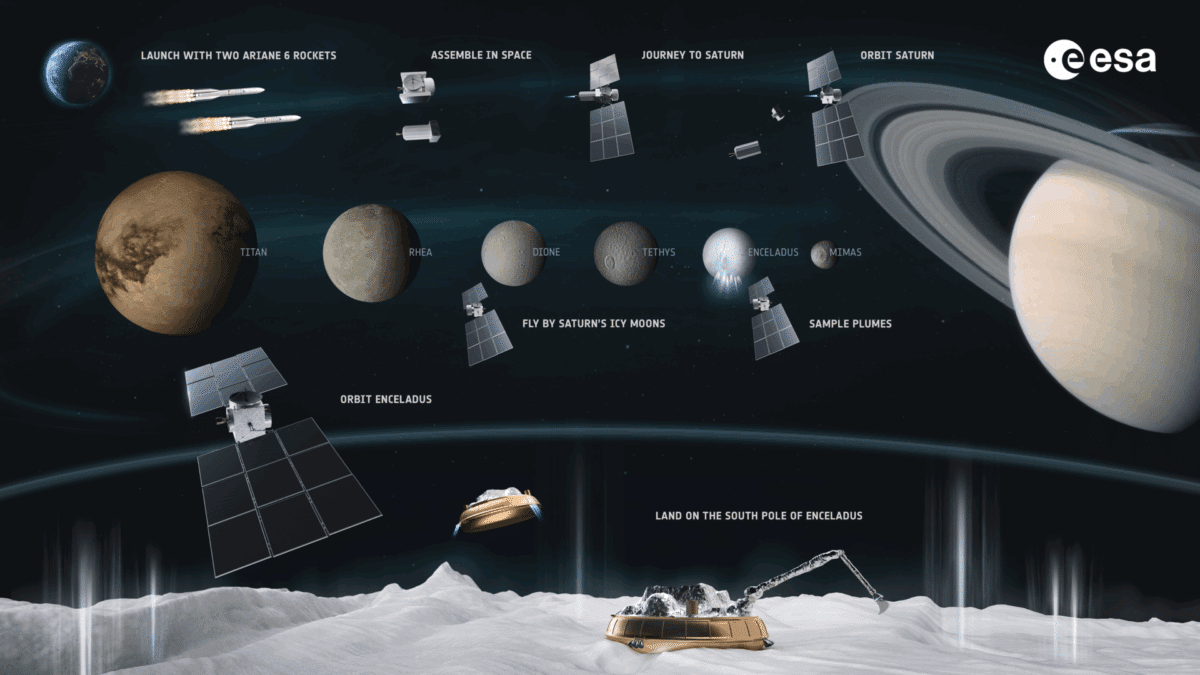
The mission includes two main spacecraft: an orbiter that will observe Enceladus from orbit and a lander designed to touch down near the mysterious “Tiger Stripes”, fissures on the moon’s surface that emit plumes of water vapor. These natural jets offer scientists an unparalleled way to investigate the moon’s hidden ocean without penetrating thick ice layers. According to ESA, this will enable direct examination of the ocean’s water samples.

The spacecraft will utilize solar power, with the lander expected to function for about one month after landing in 2052—timed to coincide with peak sunlight exposure on Enceladus. The mission’s launch window is targeted for the 2040s, with formal approval anticipated by 2034.
What Makes Enceladus a Prime Target?
Enceladus captivates scientists due to the presence of liquid water, heat from geothermal processes, and organic compounds. Cassini detected organic molecules within the moon’s plumes, while geothermal heating beneath the icy shell creates an environment potentially hospitable to microbial life. ESA’s mission seeks to delve deeper into these life-supporting elements.
Dr. Helbert stresses the mission’s significance, presenting it as a rare opportunity to directly analyze ocean water from Enceladus, which may shed light on the origins of life across the cosmos.
Advancing ESA’s Space Exploration Goals
This mission complements ESA’s expansive exploration agenda, which encompasses various projects aimed at unveiling the mysteries of our solar system and beyond. Current endeavors include the Rosalind Franklin rover, scheduled for Mars in 2028, and the JUICE mission to study Jupiter’s moons.
Upcoming space observatories like PLATO and ARIEL further demonstrate ESA’s dedication to expanding humanity’s cosmic insight. As Dr. Josef Aschbacher, ESA’s Director General, remarked:
“This is very important, but what we do with it is: we build some of the most incredible missions that observe our universe.”
With its science budget projected to increase by over 10% in the coming three years, ESA is dedicating substantial resources to advance pioneering explorations like the Enceladus mission, solidifying its role at the forefront of the search for life beyond our planet.
- Categories:
- Space






0 comments
Sign in to Comment