
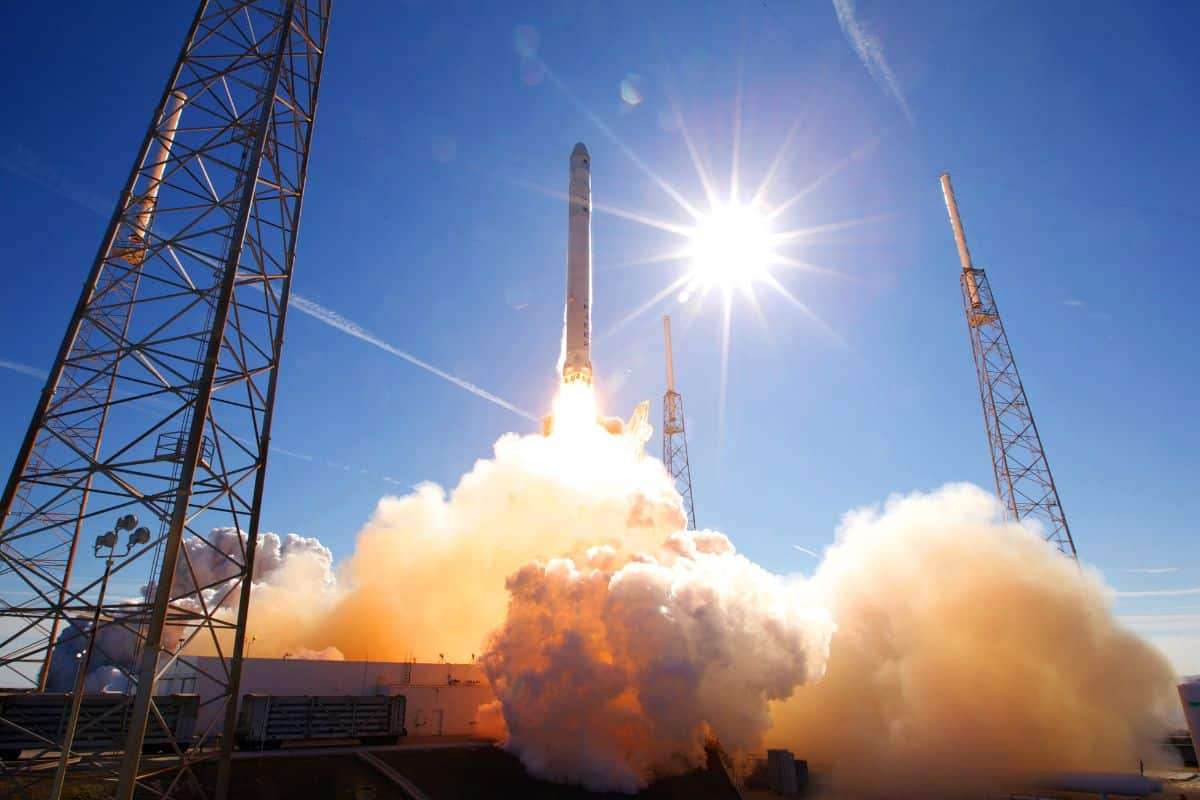
SpaceX is preparing to conduct another Starship test launch this Wednesday after a recent last-minute postponement. The colossal rocket, noted as the most powerful ever constructed, is planned to take off from Starbase at Boca Chica, Texas, with a launch window starting at 5:30 PM local time (2330 GMT).
Essential Milestone in SpaceX’s Journey Toward Deep Space Exploration
Reaching a height of 403 feet (123 meters), Starship is engineered as a fully reusable spacecraft capable of transporting both cargo and astronauts to destinations like the Moon, Mars, and beyond. This upcoming test marks a key step in Elon Musk’s ambitious plan to make humanity a species that explores multiple planets.
Since its last test, SpaceX has implemented numerous enhancements to the Starship to boost its reliability and overall performance. Success for Starship also holds huge significance for NASA’s Artemis initiative, which intends to send astronauts back to the Moon later this decade.

NASA has chosen a modified Starship design to serve as the lunar lander for its Artemis III mission, which will mark the first human footsteps on the Moon since 1972.
Regulatory Oversight and Technical Obstacles
The Federal Aviation Administration (FAA) continues to supervise the Starship test program closely, especially following the vehicle's January 16 flight that ended in a fiery failure above the Caribbean Sea.
Despite this incident, the FAA has authorized SpaceX to proceed with the upcoming launch while continuing to investigate the previous mishap. This approval underscores Elon Musk’s growing sway, as he has often been critical of regulatory bodies for impeding technological progress.
Enhancements and Flight Objectives
For this upcoming mission, SpaceX has upgraded elements of Starship’s upper stage to improve its operational robustness.
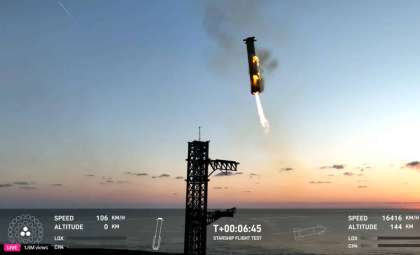
The flight is expected to last just over one hour, featuring another attempt to capture the booster stage using the launch tower’s distinctive “chopstick” arms. While SpaceX has successfully landed the booster twice during previous tests, perfecting this technique remains a top priority.
A critical experiment will involve releasing Starlink simulators — payloads simulating the deployment of Starlink satellites. Unlike real satellites, these simulators are designed to disintegrate upon re-entry, allowing SpaceX to refine deployment methods without contributing to orbital debris.
Although Starship aims to be entirely reusable, this trial will conclude with a controlled splashdown of the upper stage in the Indian Ocean near Australia’s west coast. Future missions will focus on recovering the upper stage, a vital step to achieving rapid turnaround between launches.
Overcoming the Reusability Challenge
One of SpaceX’s biggest technical challenges lies in creating a fully reusable heat shield capable of withstanding orbital re-entry, a feat that remains unprecedented.
Elon Musk recently highlighted this difficulty during his appearance on the Joe Rogan Experience, referring to it as “the toughest engineering challenge” in making affordable space travel possible.
Despite these obstacles, Musk remains confident that Starship will reach full rapid reusability by next year.
- Categories:
- Space







0 comments
Sign in to Comment