
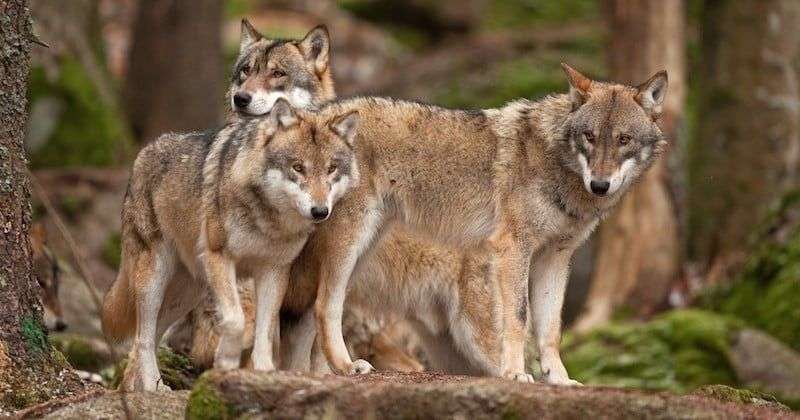
In a landmark decision, wolves across Europe are now granted full legal protection regardless of their proximity to human settlements. The European Union Court of Justice ruled on June 11, 2020 to classify wolves as a protected species, signaling a strengthened commitment to wildlife conservation amid expanding human development. This ruling bans hunting wolves in all locations, marking a new era in coexistence efforts between humans and these wild predators.
Clarifying the new legal landscape
The court's authoritative judgment, published on June 16, 2020, reaffirms protections established under the Habitats Directive of 1992, which aims to conserve over 200 habitat types and protect upwards of 1000 species within the EU. This directive is central to safeguarding endangered flora and fauna throughout Europe.
The ruling eliminates previous uncertainties by declaring wolves protected in every part of their habitat, without exemptions. This ensures that legal loopholes which allowed hunting in certain areas are closed, supporting the survival and recovery of wolf populations.

Romania’s pivotal role in policy reform
A notable incident in Romania during 2016 underscored the complexities of wolf-human interactions. A wolf frequented a residential area, was temporarily captured, but later escaped back into the wild. This event highlighted challenges in managing wolves and emphasized the necessity for clear legal frameworks.
Following this decision, capturing or relocating wolves wandering into villages is strictly regulated, requiring explicit authorization from national governments. These safeguards aim to protect both human communities and the species, establishing controlled procedures for intervention.
Understanding wolf habitats and their range
Wolves occupy their natural range—zones that provide essential biological and physical requirements for their survival and reproduction. Intriguingly, even when wolves are near human dwellings or utilize resources influenced by human activity, they are still considered within their native range. This approach recognizes wolves’ adaptability in landscapes increasingly altered by human encroachment.
As urban areas grow and agriculture expands, natural forests diminish, creating pressure on wolf environments. Gaining insight into these dynamics is vital to fostering coexistence strategies that balance ecological integrity with societal concerns.
The ongoing challenges to sustain Europe’s wolf populations
Although adaptable, Europe’s wolf populations remain relatively small, numbering in the low thousands across several countries. Robust legal protections are essential to prevent their decline and preserve their role in ecosystems.
Experts emphasize that protecting apex predators like wolves is crucial not only for biodiversity but also for maintaining ecosystem stability by managing prey species.
This new comprehensive protection sets an important precedent in European wildlife conservation. Recognizing wolves as safeguarded everywhere provides hope for sustainable coexistence where both humans and wildlife can flourish.
This ruling invites broader reflection on integrating wildlife conservation into sustainable development and land planning. Addressing the complex relationship between natural ecosystems and human advancement calls for innovative solutions honoring our duty to protect biodiversity while supporting human progress.
- Categories:
- Nature
















0 comments
Sign in to Comment