
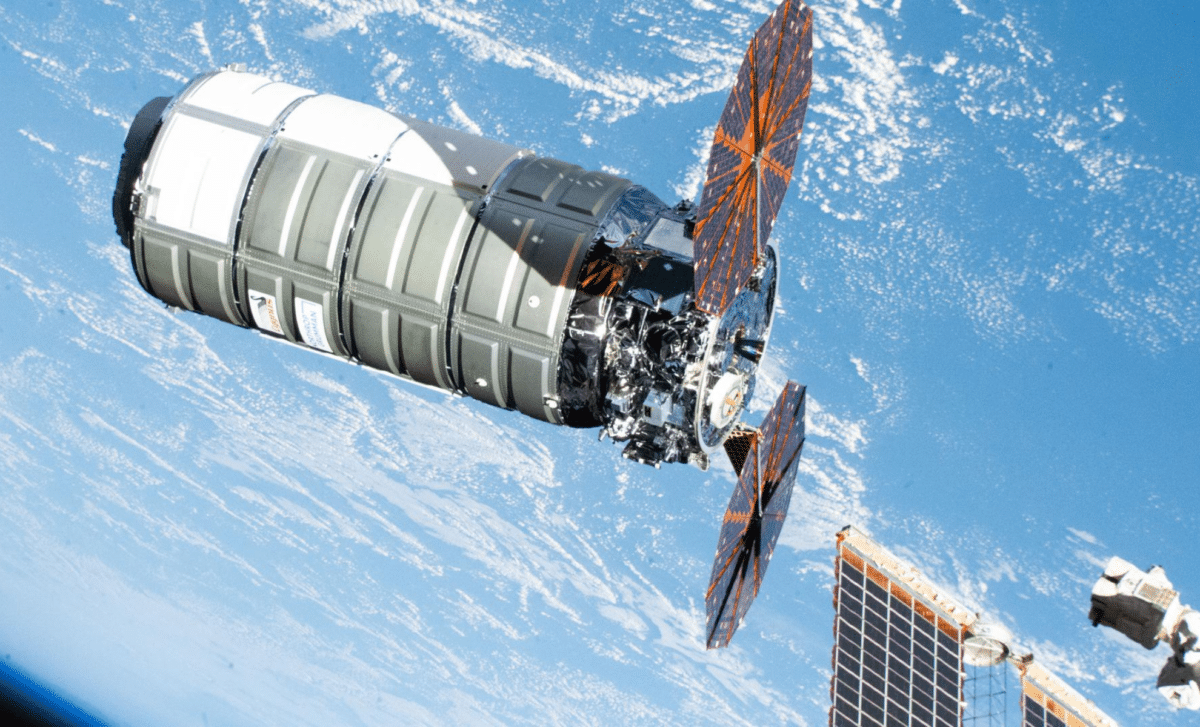
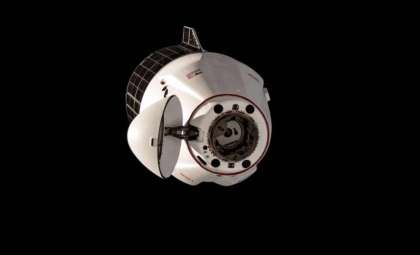
NASA’s Expedition 74 team recently accessed a substantial shipment of innovative scientific instruments aboard the Cygnus XL spacecraft. This large consignment to the International Space Station (ISS) contains revolutionary tools aimed at progressing cancer studies, astronaut wellbeing, and quantum physics research. Transported by Northrop Grumman’s Cygnus XL cargo vehicle, these scientific assets represent a significant leap forward in conducting vital medical and physical research in the unique microgravity conditions of space.
Cygnus XL: Pioneering New Possibilities for Research
The Cygnus XL spacecraft, which successfully berthed at the ISS earlier this week, serves much more than a cargo delivery role. This sophisticated vessel carries over 2,300 pounds of vital scientific materials that are pivotal to breakthroughs in biomedical and physical sciences. Among the cargo are experiments focusing on the behavior of blood stem cells, astronaut digestive system health, and protein structure analysis within liquid environments. These investigations aim to enhance pharmaceutical innovations and address critical health challenges globally and in space.
Of particular note is a newly included quantum physics apparatus to upgrade the ISS’s Cold Atom Lab. This state-of-the-art module is set to expand the frontiers of quantum research by enabling more detailed explorations of atomic interactions at near-absolute zero temperatures. The advancements facilitated by this technology will deepen our comprehension of the quantum realm and impact future technological applications on Earth.

Revolutionizing Cancer and Blood Disorder Treatments through Stem Cell Research
A highlight of the Cygnus XL shipment is the focus on blood stem cell investigations. These remarkable cells, capable of regenerating blood tissue, play a crucial role in therapies for cancer and hematological diseases. Leveraging the microgravity environment aboard the ISS, researchers aim to uncover novel mechanisms that could transform treatment options on Earth.
In the zero-gravity conditions, blood stem cells exhibit unique behaviors unobservable in terrestrial labs. NASA’s astronauts, including Chris Williams and Jack Hathaway, have begun transferring delicate biological specimens from Cygnus's portable scientific freezers to the ISS’s onboard storage units to preserve them for ongoing analysis. Outcomes from this research could pave the way for enhanced therapeutic strategies and better health outcomes.
Safeguarding Digestive Health for Astronauts in Space
One of the significant concerns for astronauts on long missions is maintaining gut health, which is influenced by the absence of gravity. A vital research project aboard Cygnus XL investigates strategies to preserve gastrointestinal wellbeing during extended spaceflight.
Space travelers often face digestive issues such as bloating, nausea, and altered digestion patterns. By studying the gut microbiome— the ecosystem of microorganisms in the digestive tract—under microgravity, scientists hope to develop new approaches to counteract these health challenges. Insights gained will not only help astronauts endure long-duration missions to destinations like Mars but may also benefit medical knowledge concerning gut health on Earth.
Enhancing Quantum Experiments with the Cold Atom Lab
This delivery also includes an advanced quantum physics instrument designed to augment the ISS’s Cold Atom Lab capabilities. The lab focuses on investigating atomic behavior at ultra-low temperatures, revealing fundamental quantum phenomena holding key insights about matter.
This module empowers researchers to perform experiments with unparalleled accuracy, delving into the intrinsic nature of matter and the universe. Breakthroughs here could lead to revolutionary advances in quantum computing, influencing cybersecurity, medical technologies, and beyond.
International Cooperation and Ongoing Research Initiatives
Expedition 74 exemplifies worldwide partnership in space science. ESA astronaut Sophie Adenot is collaborating with NASA’s crew to transfer critical scientific samples, demonstrating the spirit of global teamwork advancing human space exploration. United by a common goal, experts from various countries contribute toward groundbreaking progress in medicine and science.
Besides scientific equipment, Cygnus XL also brought vital supplies such as a next-generation exercise machine to support astronaut fitness and essential oxygen and nitrogen cylinders for spacesuit maintenance. These deliverables ensure crew members can stay healthy while conducting their vital research amid the challenges of space.
- Categories:
- News







0 comments
Sign in to Comment