
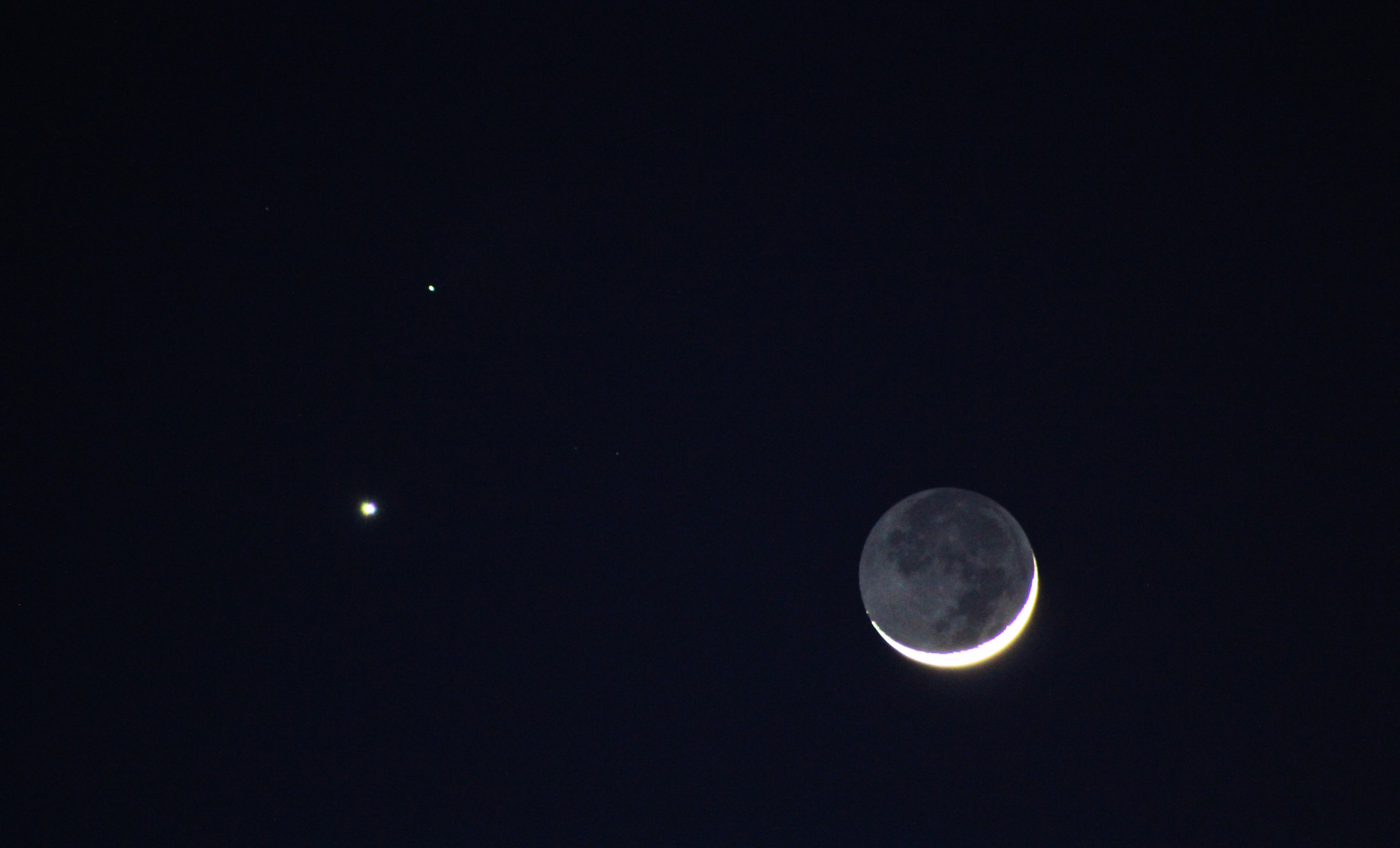
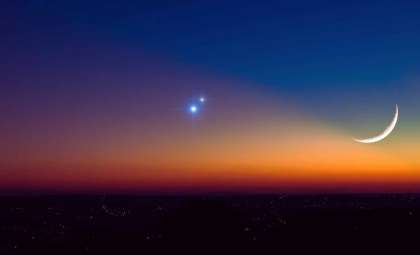
On the evening of October 23, 2025, observers of the night sky have the chance to witness a remarkable celestial event. A waxing crescent moon will align with the planets Mars and Mercury shortly after sunset, creating a captivating scene in the southwestern horizon. This gathering of the three will be fleeting but visually striking, rewarding those who catch it before they dip below the skyline. Here’s what to look for and tips for an optimal viewing experience.
Night Sky Showcase: Crescent Moon Joins Mars and Mercury
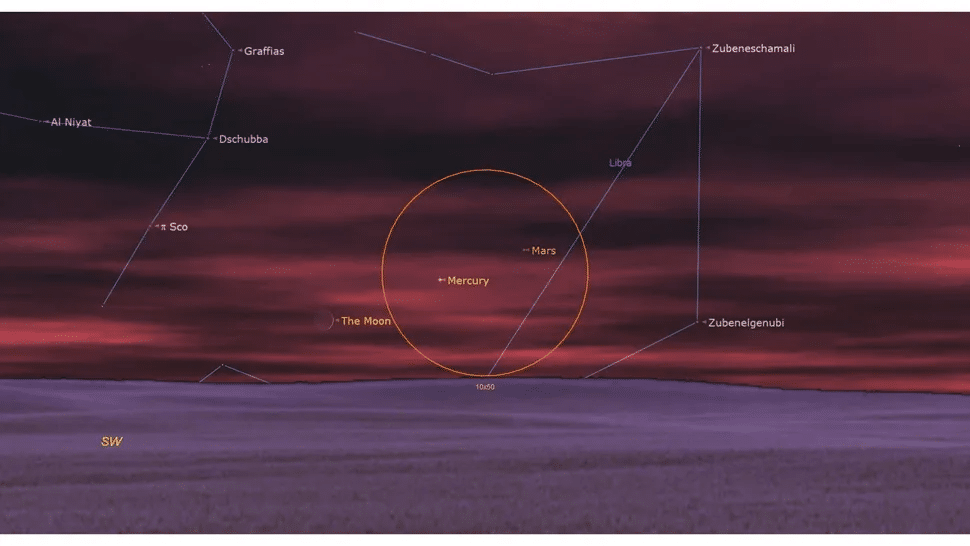
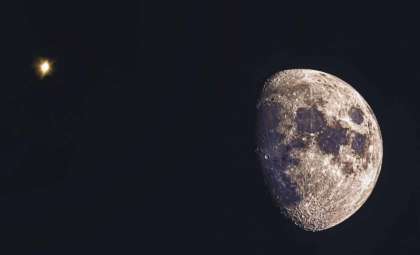
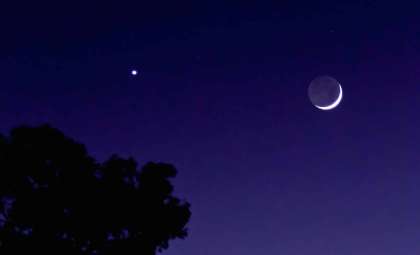
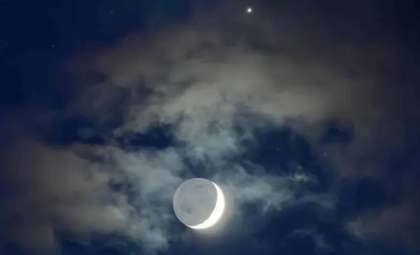
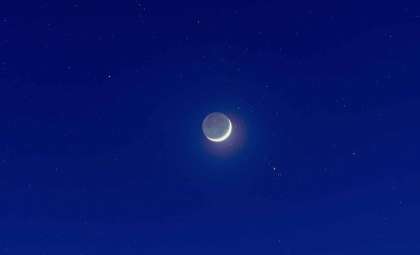
As dusk settles in, look toward the southwest to find the slender crescent moon, illuminated at just 6%, hovering approximately five degrees above the horizon. Nearby, Mercury will shine as the evening’s bright “star” positioned to the upper right of the crescent, while the reddish glow of Mars shines close by. Together, these three objects will form a compact alignment spanning around 10 degrees—about the width of a fist held at arm’s length.
This visual display will be available for only about an hour after sunset, so promptness is key. Selecting a clear viewing spot free of obstructions in the southwestern direction will improve your chances of catching this rare coordination before it fades away into the night.

How to Best Observe the Celestial Trio
To maximize your viewing experience, position yourself where the southwestern horizon can be seen clearly. As highlighted by Space.com, the thin crescent moon will be subtle, nestled against twilight’s glow, so it’s best to wait until the sun has fully set to avoid glare interfering with your view.
Bringing binoculars or a telescope can enhance the experience, allowing you to observe Mercury and Mars close together within the field of view of typical 10×50 binoculars. However, ensure that the sun has completely disappeared below the horizon before using any optical equipment, as even a quick glance at the sun through magnification can cause serious eye injury.
Spotting the Delicate Crescent Moon
The evening’s highlight is the fragile crescent moon shining with only 6% illumination—a thin sliver against the darkening sky. Because this phase follows closely after the new moon on October 21, the lunar light will be faint and challenging to detect amid the twilight’s residual brightness.
This faintness adds thrill to the observation, as the moon will vanish shortly after sunset. Optimal timing and location will be crucial for those hoping to catch sight of this graceful lunar edge before it sets below the horizon.
Limited Viewing Time: Act Quickly to Witness the Alignment
The combined sighting window for the crescent moon with Mars and Mercury is brief, lasting less than an hour after the sun’s descent. Though short-lived, the chance to see these three bodies aligned is a memorable astronomical moment.
Should you miss this event, the planetary movements continue: Mercury will gradually drift leftward toward the constellation Scorpius in the coming nights, while the moon grows brighter toward its first quarter phase on October 29. But tonight presents a distinct and rare alignment that shouldn't be overlooked.
- Categories:
- News


0 comments
Sign in to Comment