
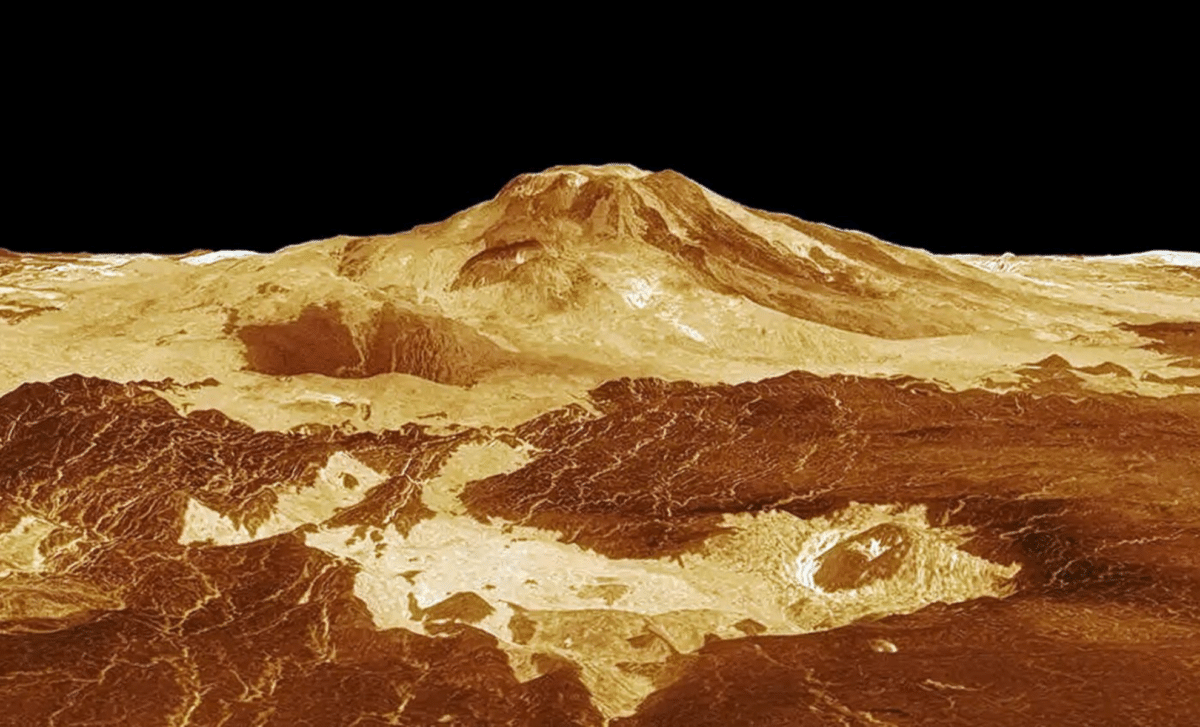
Researchers working in planetary geology have confirmed the presence of a vast volcanic cavern beneath Venus’s surface, marking the first confirmed discovery of intact subterranean lava tubes on our neighboring planet. Published in Nature Communications, this finding turns years of speculation into empirical evidence, enhancing our understanding of Venus’s volcanic nature and crustal development.
Unveiling Venus’s Buried Terrain Through Radar
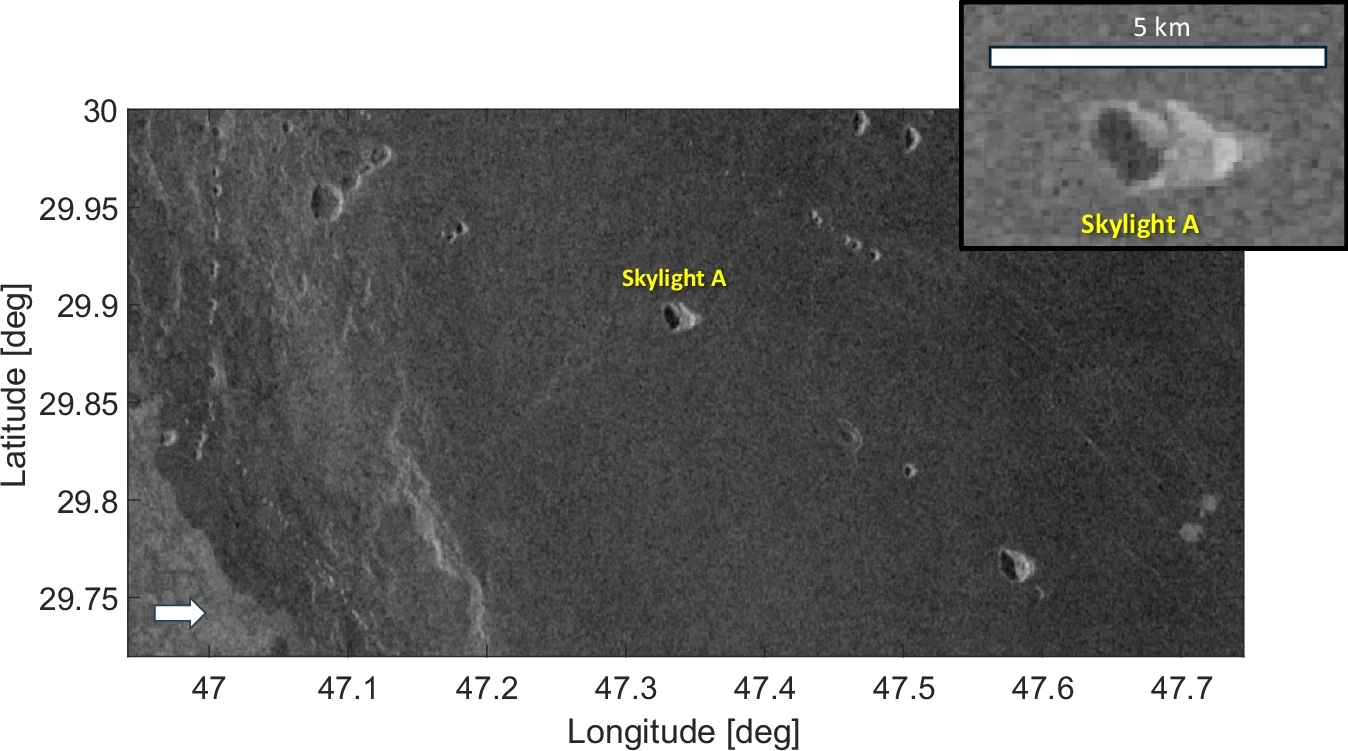
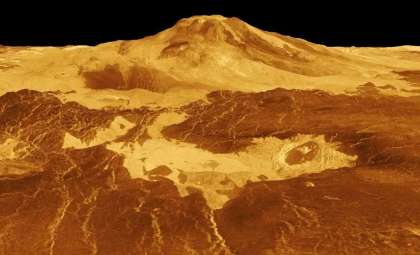
The ever-thick, cloudy atmosphere of Venus has made traditional optical imaging ineffective for probing its terrain. Instead, scientists utilize radar to penetrate these clouds and reveal detailed surface structures. Using data collected by NASA’s Magellan mission between 1990 and 1992, a team led by Lorenzo Bruzzone from the University of Trento identified a distinctive radar anomaly near a collapsed pit on Nyx Mons, a prominent volcanic elevation on Venus.
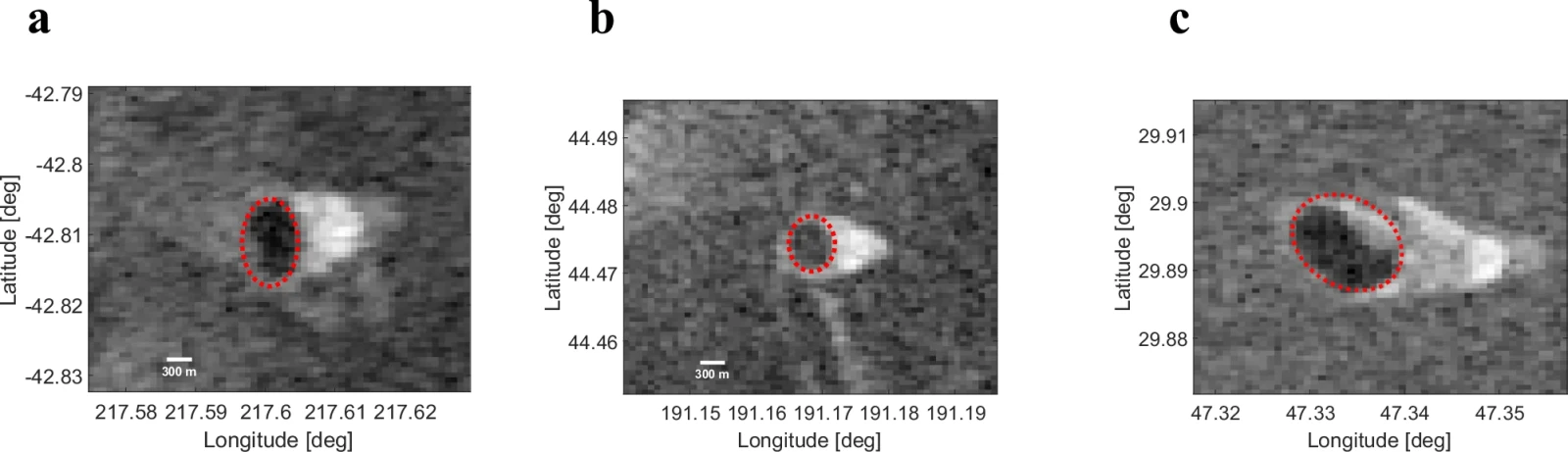
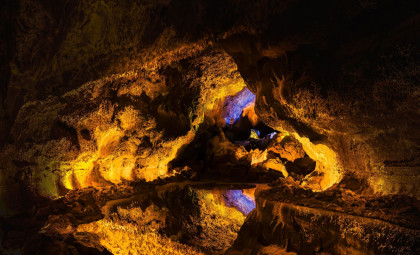
Rather than abruptly ending at the pit's boundary, the radar reflections extended inward, indicating the presence of a hollow cavity beneath the surface. Bruzzone explained, “Detecting a volcanic chamber is crucial; it confirms theories long proposed but never before observed.” The bright radar reflections combined with adjacent shadowed zones reminiscent of roof collapse strongly support the conclusion that this is a subsurface lava tube similar to skylights seen on Earth.

Dimensions and Characteristics of Venus’s Lava Tube
The opening measures around 0.6 miles in diameter, significantly surpassing typical terrestrial lava tubes in size. The overlying crust is estimated to be close to 500 feet thick, while the hollow interior extends upward of 1,230 feet, creating an extensive underground void.
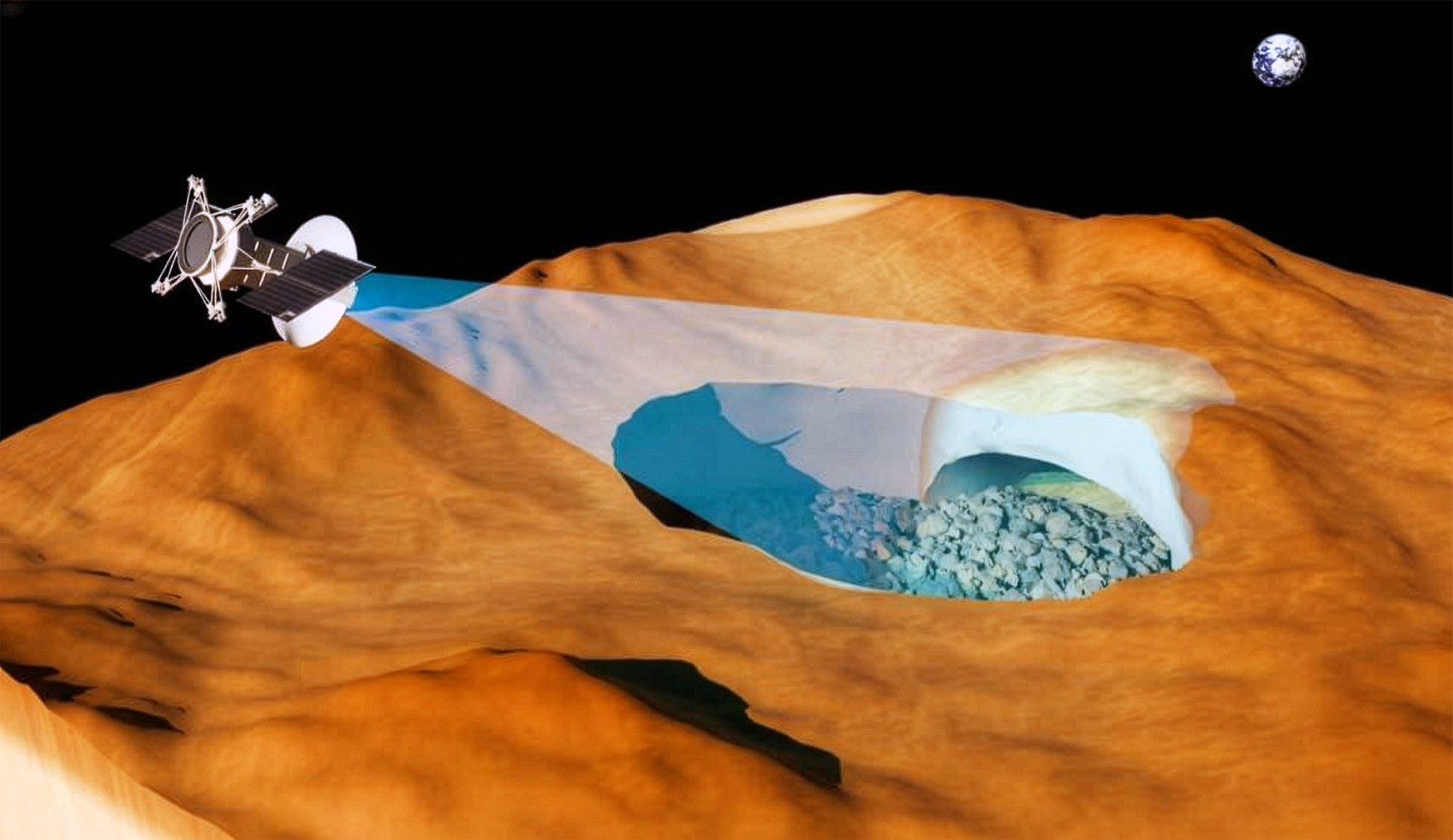
These impressive proportions suggest Venus’s gravity and dense atmosphere facilitate the rapid development of thick lava crusts, allowing such expansive tunnels to sustain their structure. Lava tubes form when molten lava beneath a solidified surface layer drains away, leaving behind an empty passage. On Venus, this mechanism likely generates massive underground networks, potentially linking multiple skylight collapse pits that span vast regions.
Potential Impact on Venus Exploration Endeavors
Published in Nature Communications, this breakthrough represents a milestone in Venus studies. Previously, lava tubes beneath its surface were only theorized. This newly located cave near Nyx Mons provides a concrete location for focused investigation and prompts new questions about the extent of Venus’s volcanic underworld.
Forthcoming missions, such as the ESA’s EnVision orbiter and NASA’s VERITAS mission, are poised to deepen our knowledge of these formations. EnVision’s ground-penetrating radar will probe nearly 3,300 feet underground, while VERITAS’s high-resolution radar and topographic data will create detailed mappings of Venus’s surface. These missions aim to determine if the Nyx Mons cavity is a rare structure or part of an extensive subterranean labyrinth beneath Venus’s plains.
Collapse Pit Chains Indicate Large Subsurface Networks
Numerous aligned collapse pits scattered across Venus hint at the presence of interconnected underground channels. The cavity near Nyx Mons is situated on one such chain, with geological clues pointing to the tunnel extending approximately 28 miles beyond its confirmed entrance. Though some pit tunnels may be blocked by debris, the radar signature at Nyx Mons offers rare, direct proof of open subterranean voids.
As Bruzzone emphasized, “Detecting this volcanic chamber validates decades of hypothesized geology.” Similar radar-marked collapse pits may guide researchers toward uncovering additional intact lava tubes, shedding light on Venus’s volcanic activity and its crust’s development history.
From Hypotheses to Exploratory Targets
This discovery confirms longstanding volcanic theories about Venus and highlights defined exploration targets. The identified tunnel’s size, location, and radar properties deliver a prototype for finding other lava tubes and understanding subsurface volcanic influences on Venus’s landscape.
Ongoing research will address key questions about volcanic processes and atmospheric impacts that create such large underground chambers. By merging precise radar imagery with detailed modeling, scientists aim to reveal a hidden layer of Venusian geology, unlocking fresh insights for planetary science and comparative planetology involving Mars and the Moon.
- Categories:
- Astronomy






0 comments
Sign in to Comment