
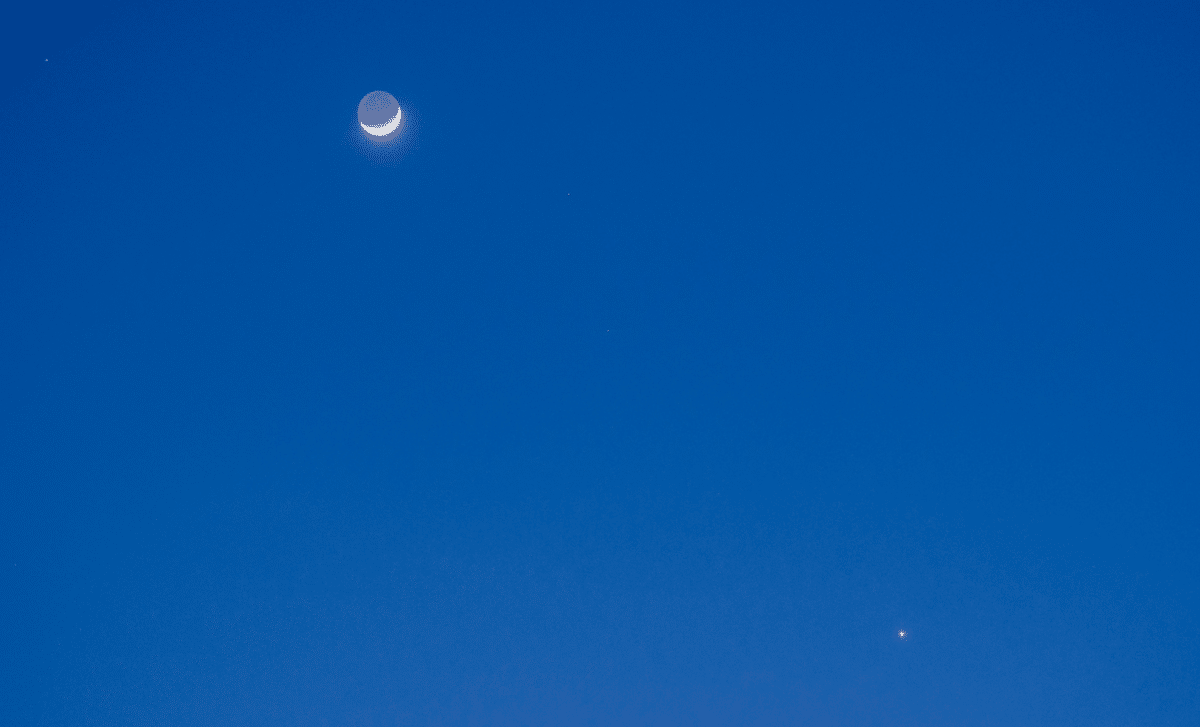
On the mornings of January 10 and 11, 2026, sky enthusiasts will be treated to a remarkable celestial event. Whether you’re a dedicated astronomer or a casual observer, the pairing of the last quarter moon with Spica, the brightest star in the Virgo constellation, creates a dazzling spectacle in the predawn sky.
Spotlight on the Last Quarter Moon: January 10-11, 2026
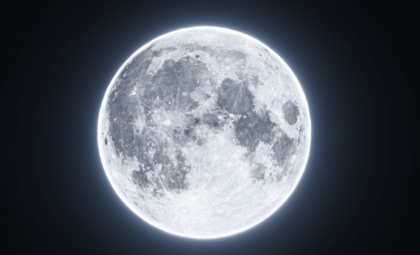
The focal point of these early January mornings is the moon’s last quarter phase, where it appears as a perfectly illuminated half-circle. According to Space.com, on January 10 the moon will make a striking appearance in the western sky, gradually diminishing in brightness as it wanes.
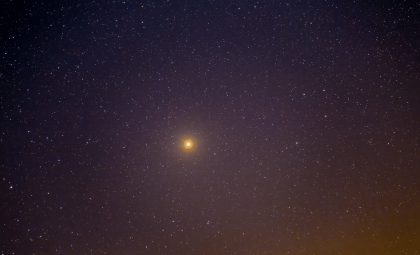
For those awake before dawn, the half-lit moon provides a breathtaking view, especially when viewed alongside Spica. The moon’s gentle radiance complements the sharp sparkle of Spica, making it an ideal moment for astrophotography or simply admiring a harmonious cosmic alignment.

Moon Meets Spica: A Spectacular Pre-Dawn Display
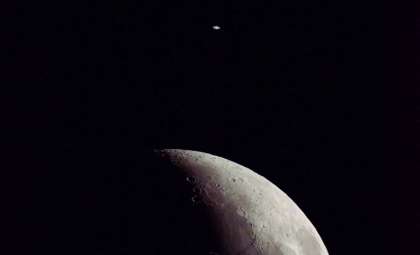
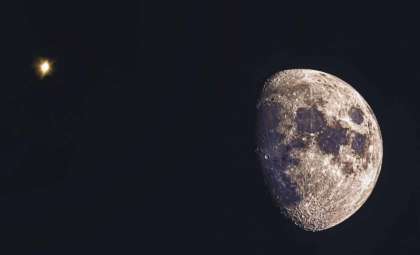
Throughout the mornings of January 10 and 11, the moon will appear closely aligned with Spica, producing a stunning visual pairing against the dark horizon. On January 10, the moon will be approximately 50% illuminated, creating crisp, clear conditions to take in this celestial duo.
As the night progresses, both the moon and Spica will rise higher, becoming increasingly visible and impossible to overlook. By January 11, the moon’s glow will reduce to nearly 42%, yet its proximity to Spica will still deliver an unforgettable sight.
This conjunction highlights the ever-changing beauty of the sky and offers a unique chance to observe the elegant dance of our nearest celestial neighbor alongside one of the night’s brightest stars. It’s a perfect occasion for astronomy lovers and photographers to marvel at these fine details.

Optimal Viewing Times for Early Morning Stargazers
The best time to catch this captivating lunar and stellar pairing is in the early hours before sunrise on both January 10 and 11. With the moon and Spica positioned high, their contrasting colors—the moon’s soft silvery glow and Spica’s vivid blue tone—create an enchanting sight, ideal for those eager to capture or admire the night sky.
Beginners looking to explore astronomy will find this event a fantastic introduction to the wonders of the winter night sky. The typically clear winter conditions make these mornings a perfect opportunity to step outside and enjoy an engaging celestial show.
- Categories:
- News



0 comments
Sign in to Comment