
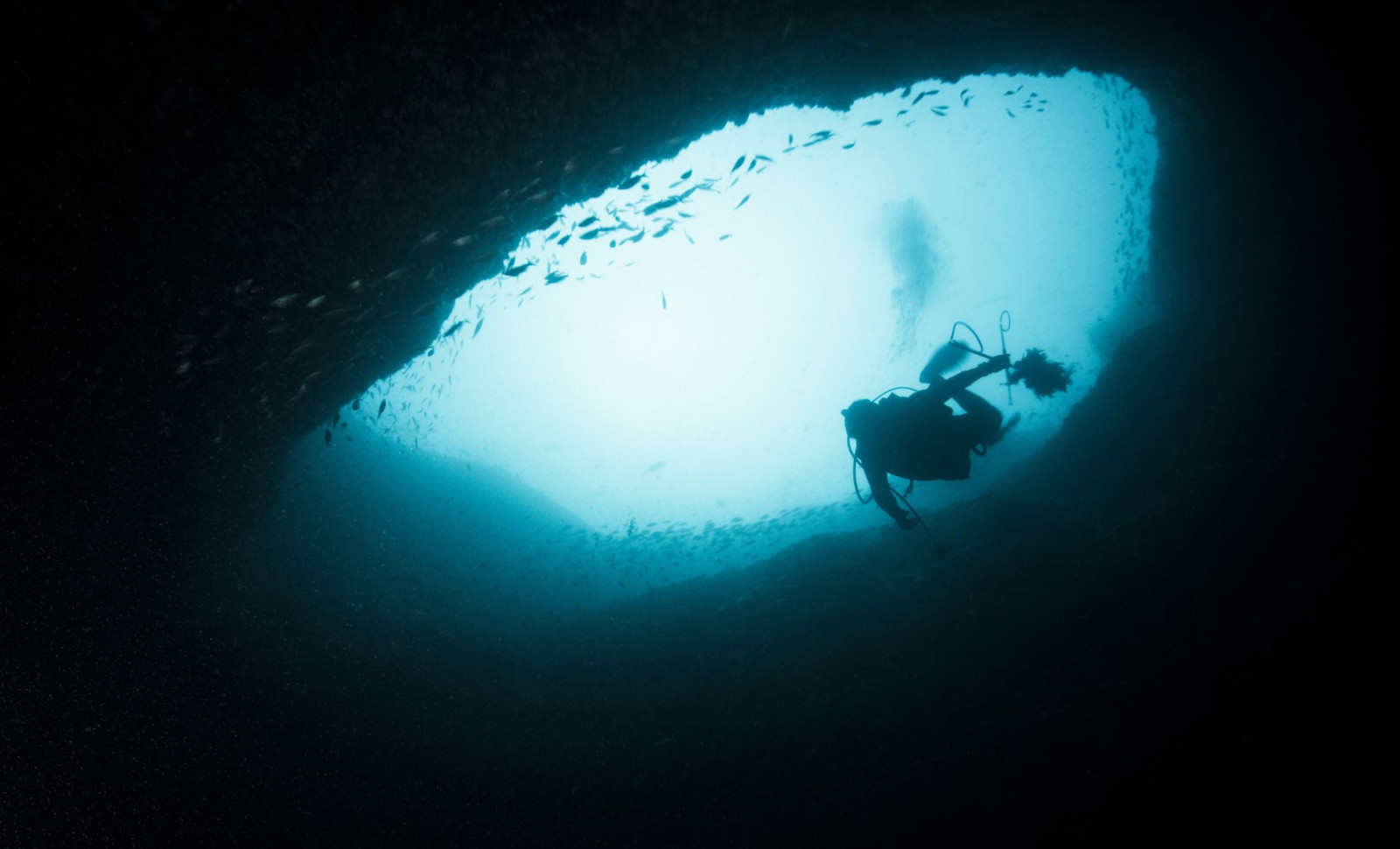
Scientists have validated the presence of the planet's deepest blue hole nestled in Mexico's Chetumal Bay. Published in Frontiers in Marine Science, the Taam Ja’ Blue Hole descends beyond 420 meters below the ocean's surface, surpassing all previously documented underwater sinkholes. Despite cutting-edge exploration tools, the very bottom of this vast marine cavern remains undetected, leaving its true depth and hidden mysteries unresolved.
A Surprising Depth Champion in Mexican Waters
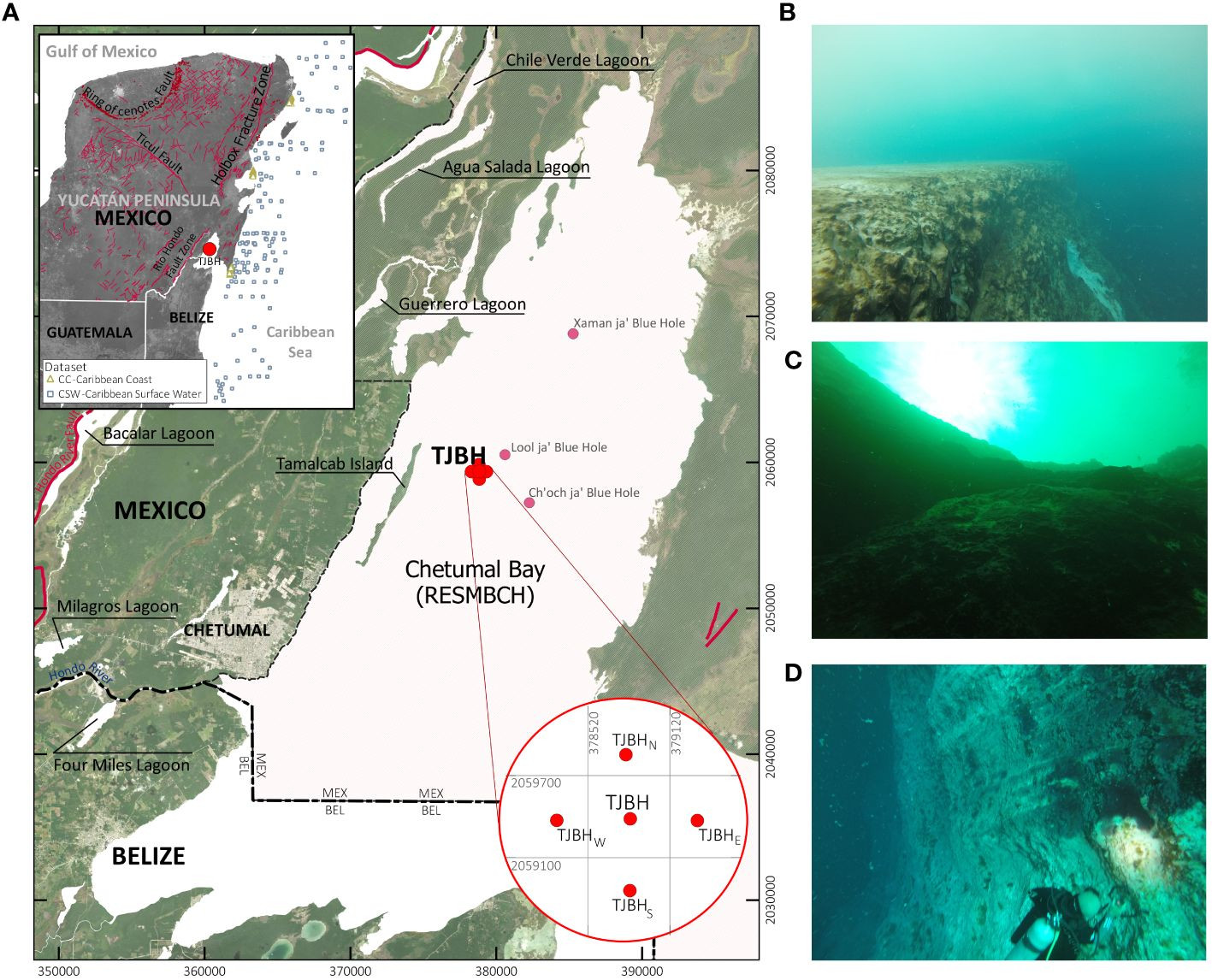
This groundbreaking finding emerged from a December mission that significantly revised earlier estimates. Initially believed to be approximately 274 meters deep, the Taam Ja’ Blue Hole has been shown, with advanced equipment, to be much deeper. Situated near the Yucatán Peninsula, it now outranks similar formations found in the South China Sea, the Bahamas, and Egypt.
The findings were detailed in a paper appearing in Frontiers in Marine Science. Researchers returned to the site in early December and used the SWiFT CTD sensor, which measures conductivity, temperature, and depth with greater precision than the echo sounders employed in previous explorations. This advanced device managed to overcome challenges posed by the sinkhole’s irregular contours and variations in water density, yielding more accurate results.

“The TJBH is now the deepest blue hole discovered to date, exhibiting water depths surpassing 420 mbsl [meters below sea level], with its bottom yet to be reached,” explained the authors of the study.
A Mysterious Abyss Still Beyond Reach
Even with improved tools, explorers have yet to touch the base. The SWiFT CTD could not reach the sinkhole’s lowest point, leaving the ultimate depth unknown. This makes it a compelling enigma for oceanographers.
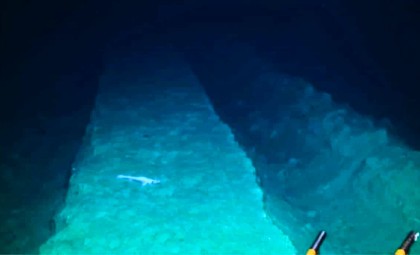
The sinkhole extends well into the mesopelagic zone, commonly known as the twilight zone, starting near 200 meters below sea level where sunlight sharply diminishes. Navigating this realm is complicated by narrow entrances and complex rock formations, making it difficult for automated underwater vehicles to explore thoroughly.
The National Oceanic and Atmospheric Administration (NOAA) highlights that numerous blue holes remain unexplored due to these natural challenges. Historically, initial reports of these intriguing underwater pits originated not from scientists but from fishermen and diving enthusiasts familiar with their whereabouts.
Hidden Hubs of Marine Biodiversity
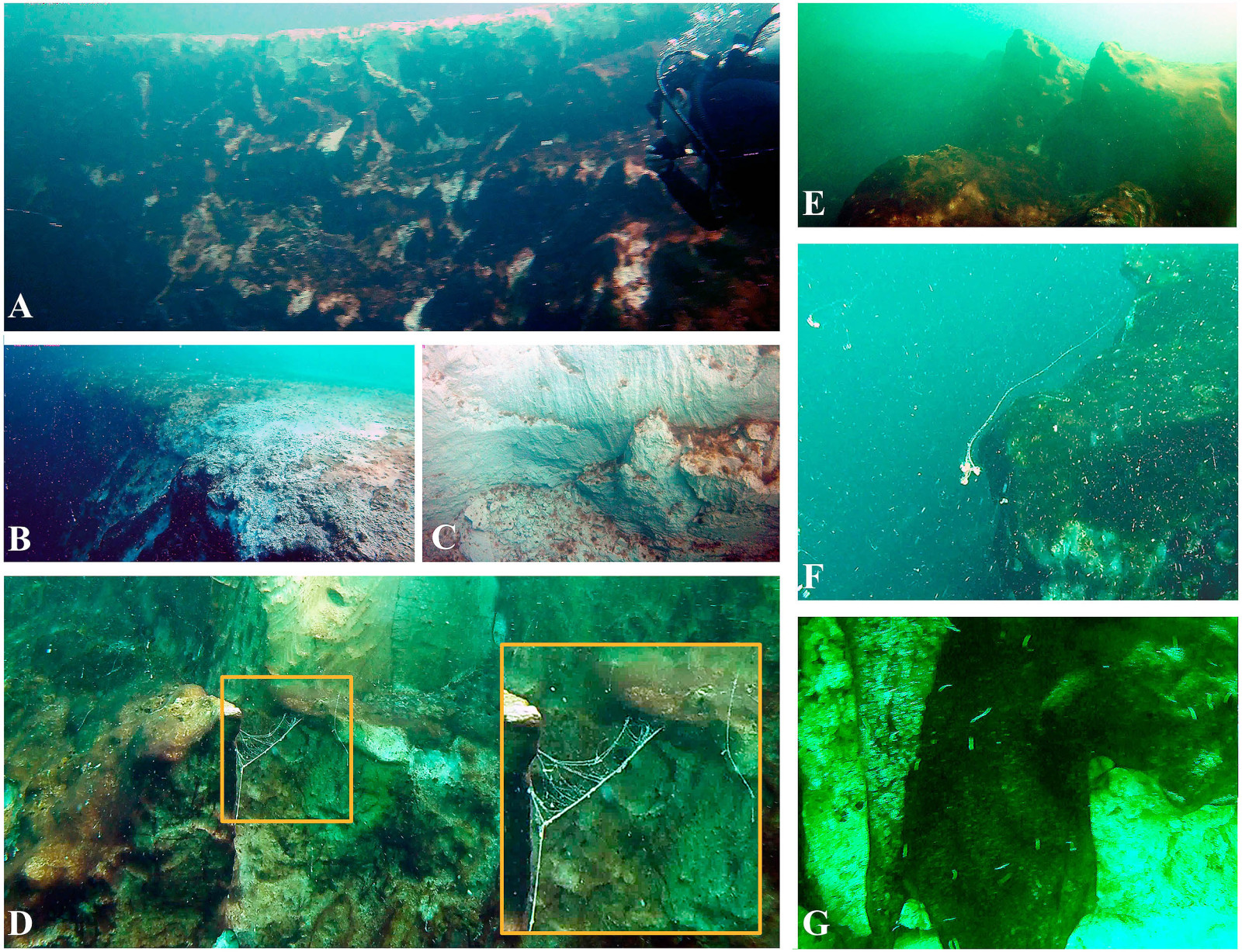
Though seemingly forbidding, blue holes act as vital ecological refuges within otherwise desolate ocean habitats. As reported by CBS News, these underwater caverns often become biological hotspots housing coral communities, sponges, mollusks, sea turtles, and sharks.
Isolated from surrounding waters, the species within create distinctive ecosystems with rare biodiversity. Despite their ecological importance, our understanding of blue holes' distribution and complex life forms remains limited.
“The opening of a blue hole can be several hundred feet underwater, and for many holes, the opening is too small for an automated submersible,” noted NOAA. “In fact, the first reports of blue holes did not come from scientists or researchers, but actually came from fishermen and recreational divers.”
This site’s remarkable depth and unexplored floor highlight how much remains to be discovered beneath the ocean’s surface.
- Categories:
- News


0 comments
Sign in to Comment