
Europa, a distant moon orbiting Jupiter, is considered one of the most intriguing environments in our solar system for the search for life, thanks to its vast, concealed ocean beneath a thick icy crust. Microbiologist James Holden from the University of Massachusetts Amherst is leading efforts to study Earth's own deep-sea microorganisms as analogs to the possible life forms that could exist in Europa’s ocean.
Earth’s Deep-Sea Microbes: Insights for Extraterrestrial Life
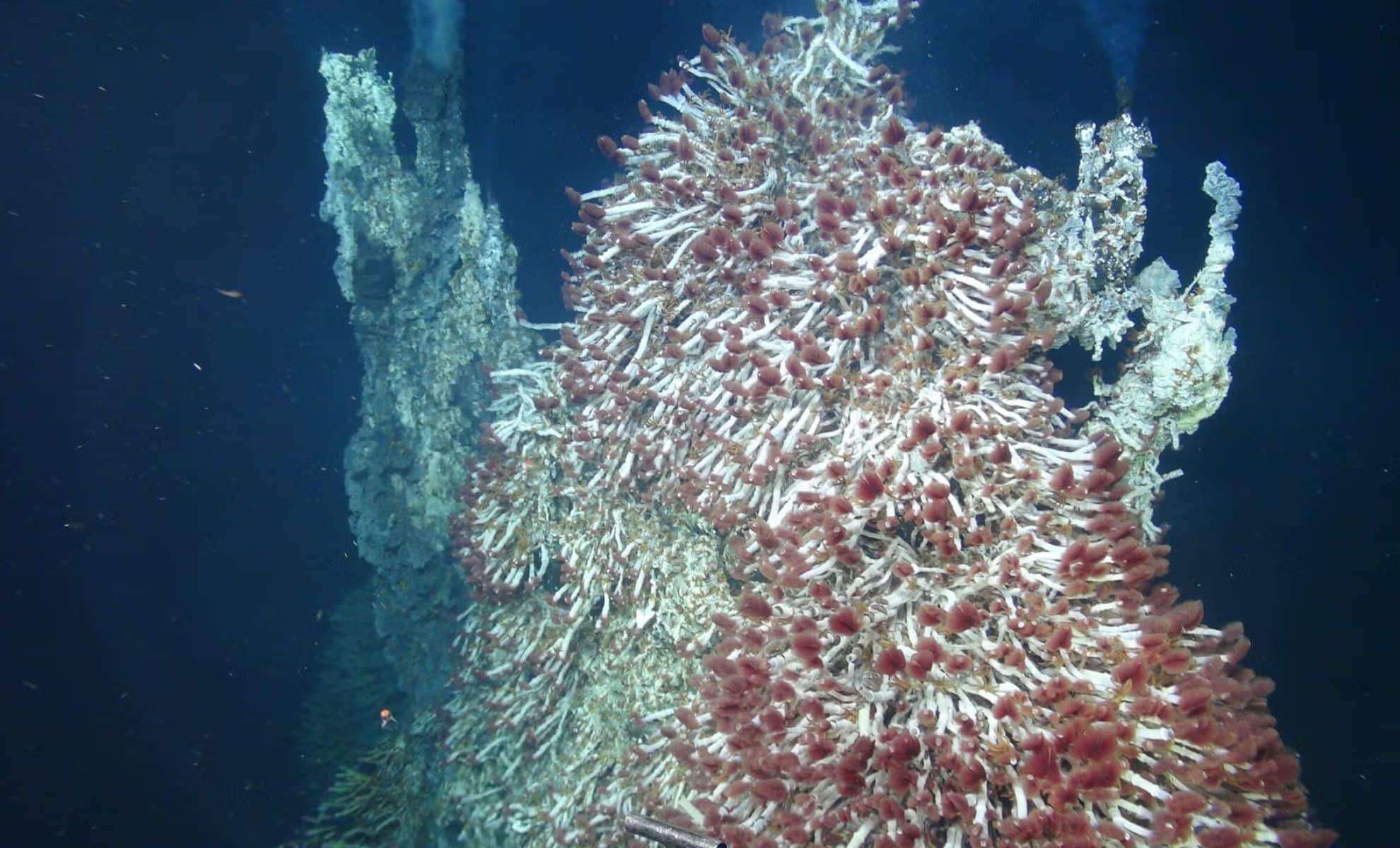
Holden’s research focuses on microbes living near hydrothermal vent systems along the Earth’s crust, where extreme environments thrive without sunlight. These unique life forms extract energy through chemical reactions, breaking down hydrogen via enzymes called hydrogenases, rather than relying on photosynthesis.
Beginning his studies in 1988, Holden and his team deploy submersibles to depths exceeding a mile under the ocean surface to collect microbial samples. Back at the University of Massachusetts, these microbes are examined under laboratory conditions that replicate the intense pressures and temperatures found next to hydrothermal vents.

The Oceans Hidden Beneath Europa’s Ice
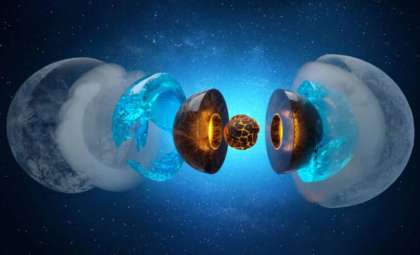
Europa’s frozen outer shell, which may be 15 to 25 kilometers thick, conceals a liquid saltwater ocean estimated to be up to 150 kilometers deep. The combination of water, essential chemical components, and potential energy sources from geological activity makes Europa a compelling candidate in the quest for extraterrestrial biology.
Scientists including Holden theorize that Europa's volcanic activity beneath its ocean floor could produce hydrothermal vents similar to those on Earth. Such vents would introduce vital minerals and gases into the ocean, possibly supporting life forms adapted to this sub-ice habitat.
According to Holden, “Drawing from what we observe on Earth, Europa could provide an environment capable of sustaining life.” The Earth-based research on extremophilic microbes offers a roadmap for understanding what life beyond our planet might look like.
Potential Forms of Life on Europa
The microorganisms that inhabit Earth’s hydrothermal vents have adapted to survive intense heat, pressure, and chemical conditions through chemosynthesis — deriving energy from inorganic chemical reactions rather than sunlight. This process could mirror how life might function in Europa’s dark ocean.
A key aspect of Holden’s investigations involves studying how various hydrogenases enable microbes to metabolize hydrogen differently depending on their environment. Such versatility could allow potential Europan microbes to thrive despite differing chemical landscapes from Earth’s oceans.
Holden points out that the ocean chemistry of Europa is likely distinct from our planet’s, potentially leading to unfamiliar microbial life forms. “Variations in chemical composition might produce uniquely adapted organisms,” he notes.
Charting Europa’s Secrets with the Europa Clipper Mission
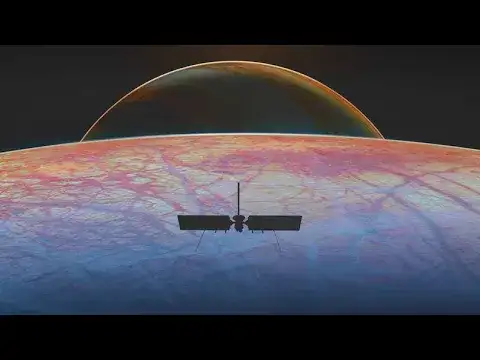
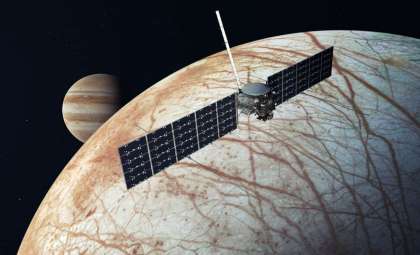
NASA’s Europa Clipper mission, launched in October 2024, aims to provide unprecedented data about Europa’s ice shell, underlying ocean, and surface characteristics. The spacecraft’s extensive flybys will allow detailed examination of Europa’s geology, search for plumes, and assess its potential to support life.
While the spacecraft surveys Europa from orbit, researchers like Holden complement this mission by studying Earth’s extremophiles that likely resemble hypothetical Europan life.
Set to journey 1.8 billion miles over five years, the Europa Clipper spacecraft will reach Jupiter by April 2030, conducting 49 close flybys to collect data that could uncover whether Europa’s ocean harbors the essential conditions for life.
- Categories:
- News





0 comments
Sign in to Comment