
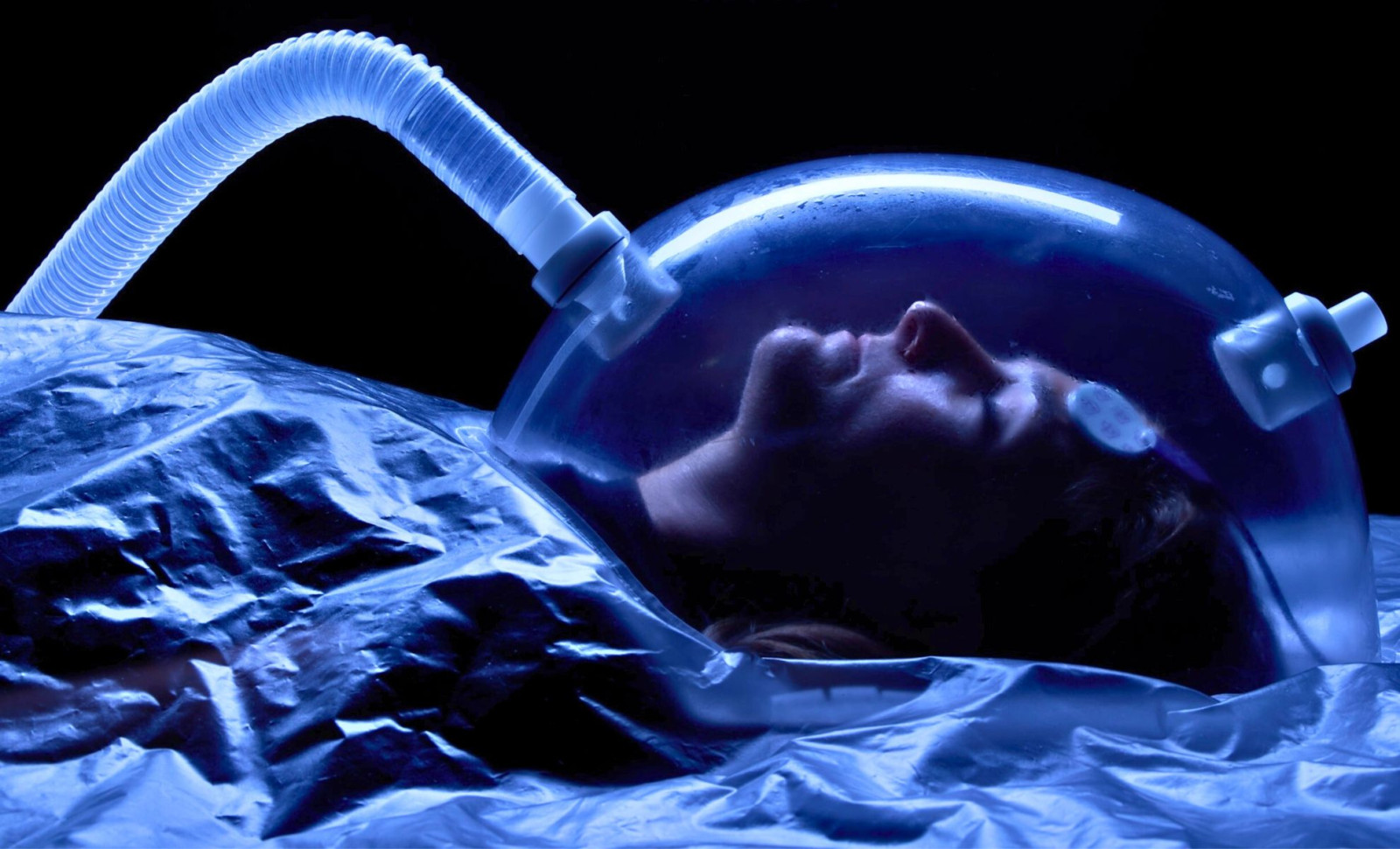
In recent years, interest has surged in the prospect of human hibernation, fueled by the growing demands of prolonged space voyages and breakthroughs in metabolic research. Scientists, space agencies, and medical experts are investigating whether humans could safely enter deep metabolic states similar to the torpor observed in some mammals.
Evidence from various scientific studies suggests that the concept of human torpor holds theoretical merit. While medical practices such as controlled hypothermia are already in use, comparative research on hibernating animals provides valuable biological insights. Nevertheless, significant challenges related to neurology, ethics, and logistics continue to hinder development. As of early 2026, no documented instances exist of safely induced long-term torpor in humans.
Insights from Large Hibernating Mammals
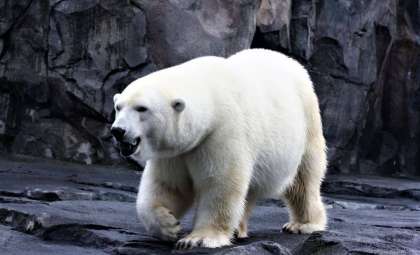
Hibernation is not exclusive to small rodents; larger mammals like bears and some primates also undergo seasonal metabolic suppression. This is a crucial consideration for assessing human physiological capabilities. A comprehensive 2015 analysis by Thomas Ruf and Fritz Geiser, examining 214 species, clarified that hibernation and daily torpor are separate, stable metabolic states influenced by factors like body mass and geographic location.

Published in Biological Reviews, the research showed that hibernators maintain torpor for extended spans, dropping their body temperature by as much as 13°C and slowing metabolic activity to just 6% of resting levels. In contrast, animals exhibiting daily heterothermy experience briefer, milder torpor episodes. Both types regulate their entry and exit from torpor through internal signals, a capability not found in humans.
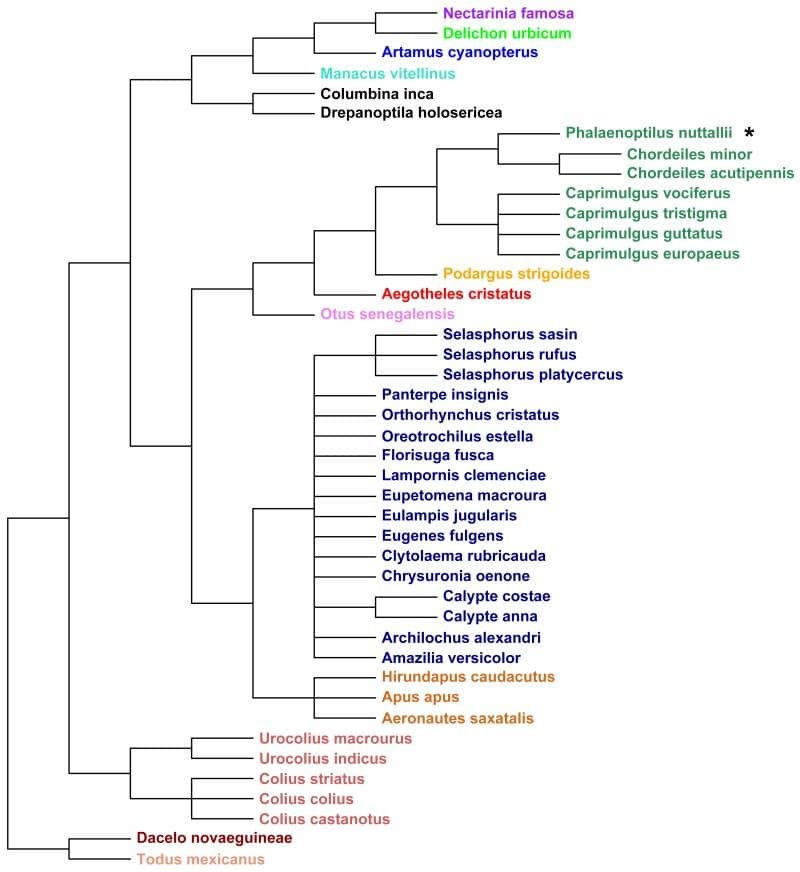
The fat-tailed dwarf lemur (Cheirogaleus medius) uniquely hibernates seasonally despite having a highly developed brain, suggesting that torpor can be compatible with complex neural structures. Bears also demonstrate the ability to preserve muscle and bone strength during months of inactivity, contrasting with the physical decline typically experienced by immobilized humans.
Medical and Spaceflight Applications of Induced Torpor
Therapeutic hypothermia is routinely applied in clinical settings—such as cardiac arrest and surgical procedures—to minimize cellular oxygen requirement, simulating aspects of natural torpor by lowering body temperature and reducing heart rate and breathing.
However, inducing hypothermia demands intensive use of pharmaceuticals to override the body’s temperature regulation. Neuroscientist Vladyslav Vyazovskiy, affiliated with Oxford University and the European Space Agency (ESA), highlights this challenge while leading ESA initiatives exploring artificial stasis for long-duration interplanetary missions. His insights can be found on Oxford’s research platform and The Conversation.
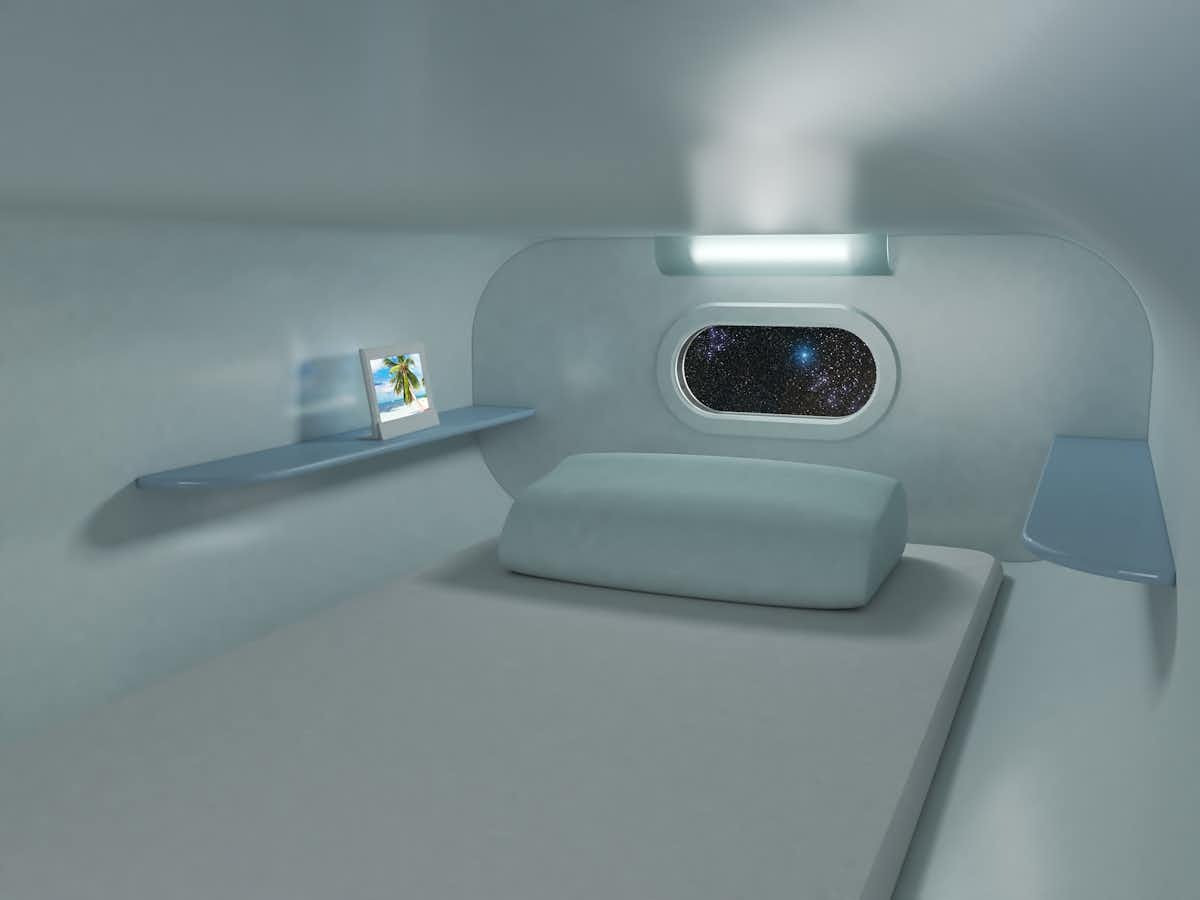
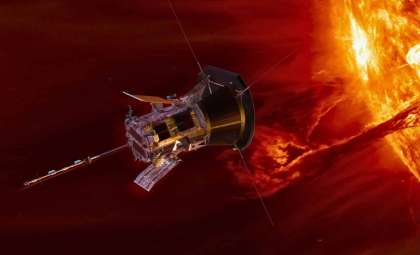
The ESA has funded studies probing whether astronauts might enter low metabolic conditions during months-long journeys to destinations like Mars, which typically take eight to nine months. Potential benefits include decreased nutritional needs, psychological comfort, and reduced oxygen consumption aboard spacecraft.
Neural Considerations: Memory, Sleep, and Brain Function During Torpor
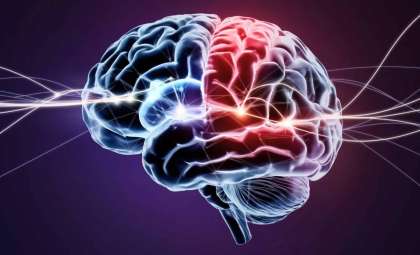
The effects of prolonged metabolic suppression on the human brain remain largely unknown. Research on animals reveals that torpor is associated with a decrease in synaptic connections. While critical memories persist, some non-essential information—including social and spatial memories—may diminish.
The periodic awakenings seen in hibernating species may help restore synaptic integrity through sleep, indicating that torpor does not substitute for the brain’s need for regulated rest. Post-torpor brainwaves resemble those seen after sleep deprivation, suggesting that torpor temporarily postpones but doesn’t replace sleep requirements.
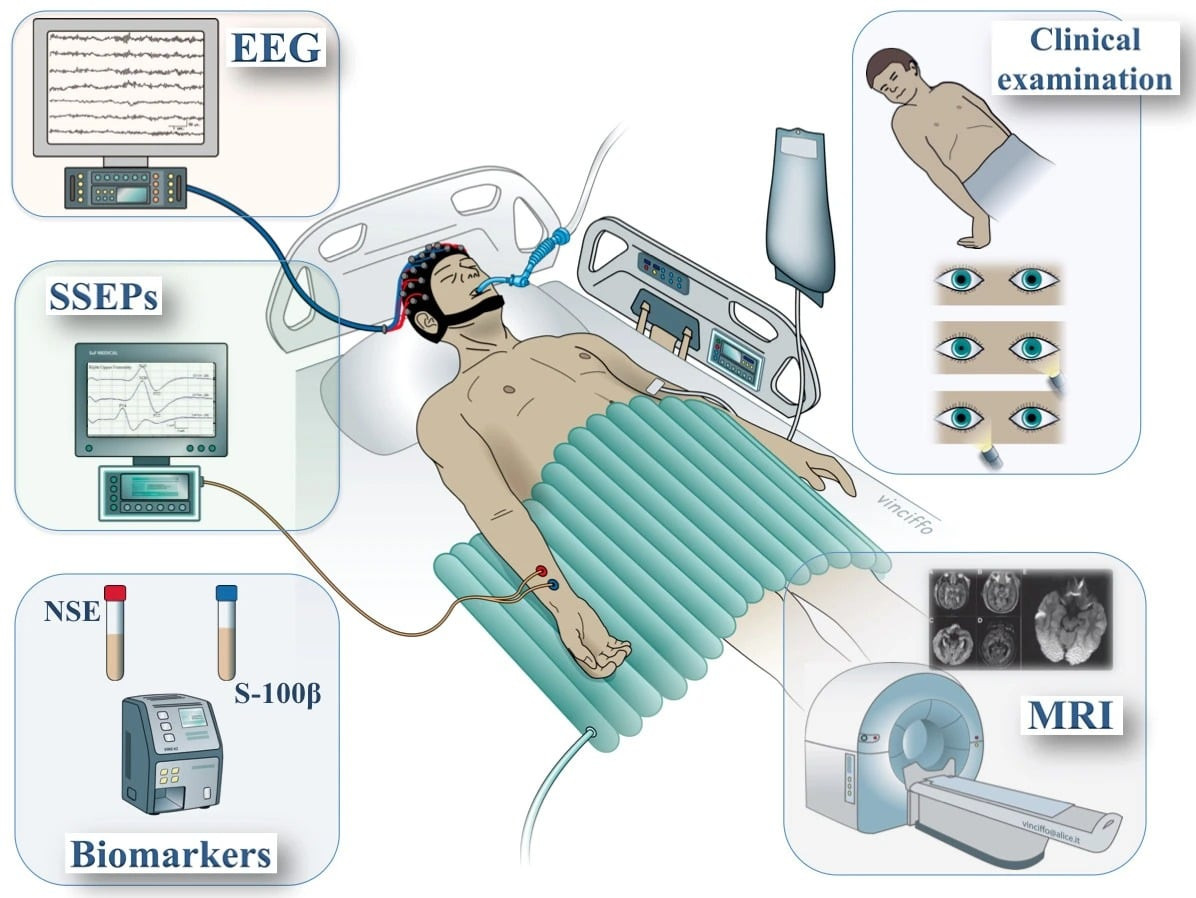
Additionally, maintaining adequate blood flow to brain tissue during torpor is vital to prevent damage, even as overall oxygen use falls. Hypothermic patients are closely monitored to ensure neurological function, a level of oversight that would be challenging to replicate for extended human stasis periods without advanced technology.
Environmental Influences: Temperature, Biological Rhythms, and Seasonal Triggers
Studies of hedgehogs in the UK have informed understanding of how environmental factors modulate hibernation. Data collected through a public survey by the People’s Trust for Endangered Species revealed that warmer winters cause earlier spring arousals, emphasizing the role of ambient temperature in timing and sustaining torpor. These unpredictable awakening patterns complicate energy management.
This aligns with decades of ecological fieldwork showing that juvenile hedgehogs delay hibernation to build fat stores, while nursing females stay active longer into the colder seasons, highlighting a sophisticated interaction between external cues and internal physiology.

Some research into human behavior proposes that wintertime sleep changes may represent a mild, evolutionary form of seasonal torpor. A 2020 The Guardian article examined how secluded rest during winter months and biphasic sleep patterns relate to hormonal shifts linked to extended darkness. These phenomena suggest latent biological responses to seasonal cues, though they don’t amount to true torpor.
Scientists still grapple with pinpointing the exact mechanisms triggering torpor. Some research supports a "bottom-up" hypothesis in which cellular metabolism initiates the process, while other studies favor a "top-down" approach involving brain regulation and hormonal signals. This uncertainty complicates efforts to artificially induce torpor in humans.
Advancing Torpor Technology: Future Directions in Medicine and Space Exploration
Potential uses for human torpor extend far beyond space missions, including trauma treatment, critical care, and remote medical interventions under extreme conditions. Technologies capable of suspending metabolism temporarily could revolutionize care during disasters or on the battlefield.
Current research focuses on uncovering genetic and pharmacological methods to safely trigger torpor-like states. This entails mapping neural pathways governing sleep cycles, investigating hormonal systems active in hibernating species, and developing new hypothermia drugs with fewer adverse effects.
So far, no controlled human studies have demonstrated safe, reversible torpor lasting longer than 72 hours. Key questions remain regarding effects on immune defenses, organ health, and psychological well-being during extended unconsciousness. Moreover, regulatory and ethical guidelines for testing such interventions are still in early development.
- Categories:
- Science










0 comments
Sign in to Comment