
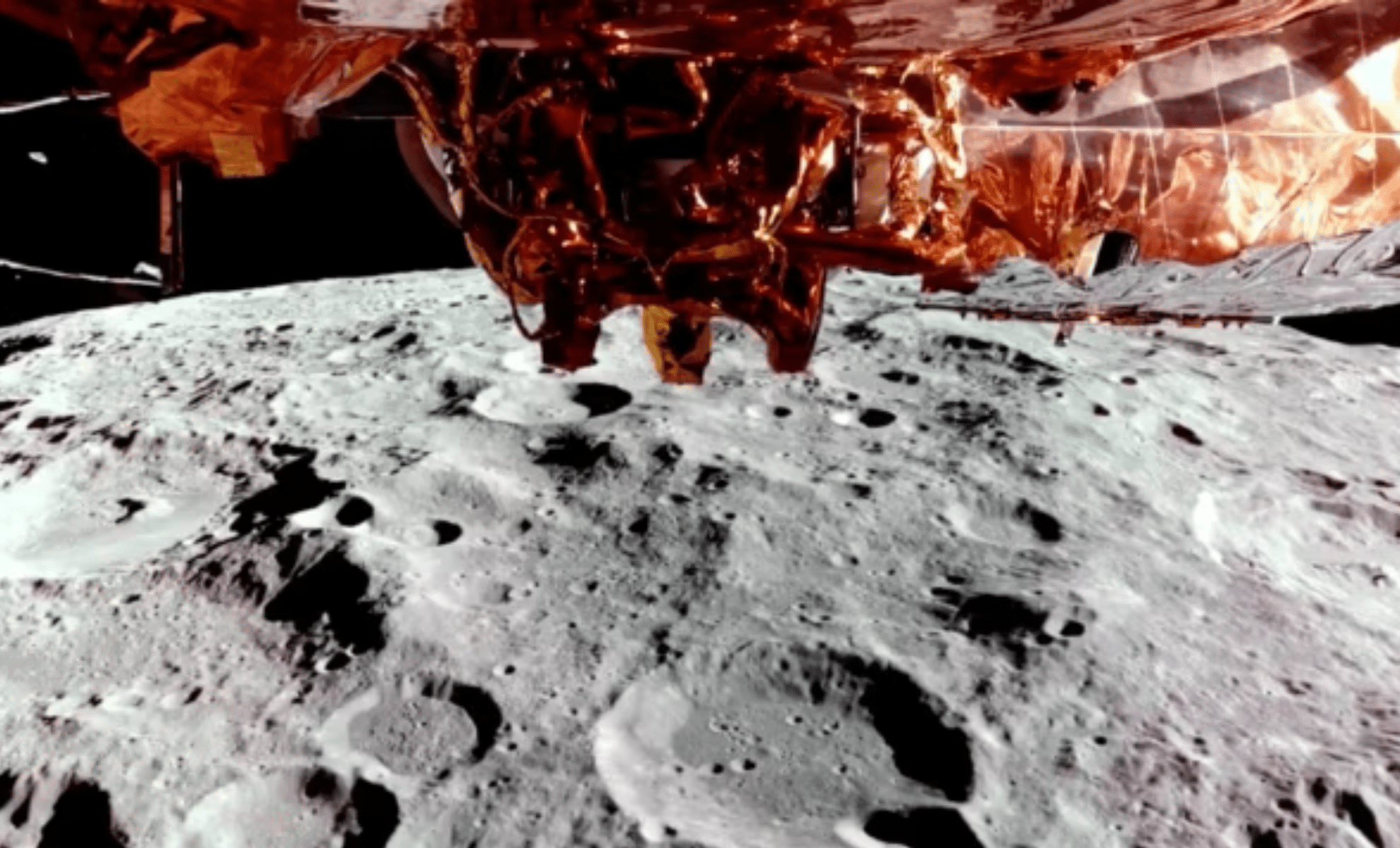
NASA has officially validated Firefly Aerospace’s successful moon landing with its Blue Ghost Mission 1, signaling a major advancement in commercial space exploration. The American spacecraft made a smooth touchdown near Mons Latreille within Mare Crisium, marking a notable achievement for both NASA and its private partners.
Mission Overview and Impact on NASA’s Artemis Goals
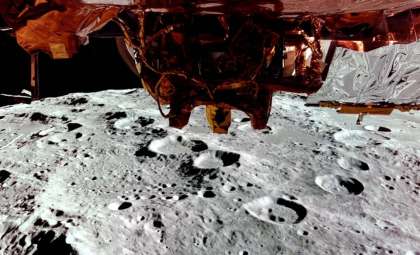
The Blue Ghost 1 mission is a groundbreaking technological feat and an important stride toward NASA’s ambitious lunar initiatives. This spacecraft, launched in January 2025 from Florida, successfully navigated a complex descent sequence to land on the Moon’s Mare Crisium near Mons Latreille, a geologically significant site known for its volcanic history. The chosen landing spot offers key scientific opportunities to study the lunar crust and thermal properties.
NASA’s acting administrator Janet Petro emphasized, “This outstanding accomplishment highlights the leadership of NASA and American industry in space exploration, benefiting humanity at large.” The mission directly supports NASA’s Artemis program, aimed at establishing sustainable lunar exploration. The onboard science payloads focus on navigation, dust dynamics, heat flux measurements, and other vital research instruments to support Artemis objectives.

Commercial Lunar Payload Services: Private Ventures Driving Lunar Success
A cornerstone of the Blue Ghost 1 achievement is NASA’s innovative Commercial Lunar Payload Services (CLPS) initiative. This program entrusts private companies with lunar cargo deliveries, allowing NASA to avoid the costs and complexities of developing every mission in-house. Through competitive contracts and flexible agreements, CLPS fosters efficiency, disperses risk across multiple missions, and accelerates technological breakthroughs.
The Blue Ghost mission, representing only the second commercial lunar soft landing, validates the power of the CLPS framework. This partnership model empowers companies like Firefly Aerospace to play key roles in advancing space exploration while driving down expenses and fast-tracking technology validation. Leveraging private sector capabilities enhances the overall ecosystem, enabling quicker delivery of essential hardware and data to the Moon than traditional government programs.
Scientific Instruments and Their Lunar Contributions
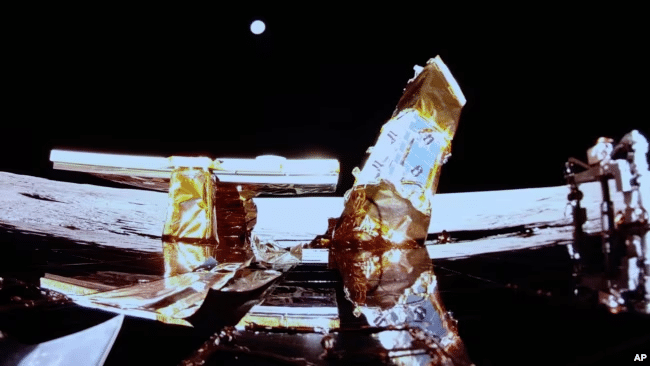
The Blue Ghost 1 craft carries important instruments designed to deepen understanding of the Moon’s surface and internal characteristics. Among these is a subsurface drill capable of reaching depths up to 10 feet (3 meters), intended to measure heat flow and thermal gradients to better model the Moon’s crustal structure and volcanic past.
Additional equipment includes a lunar soil sampler utilizing gas-assisted collection methods, offering a lightweight and energy-efficient alternative to complex robotic arms. This innovative technique may simplify future sample collection on the lunar surface.
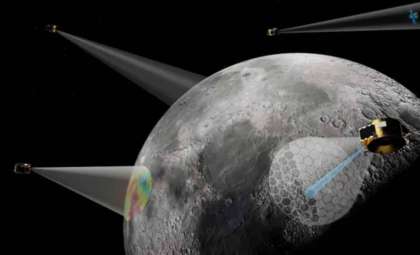
A highlight among the payloads is the Lunar GNSS Receiver Experiment (LuGRE), which confirmed that weak GPS and Galileo satellite signals can be captured on the Moon. This breakthrough could transform lunar navigation by enabling spacecraft to operate with greater autonomy and less reliance on Earth-based tracking, particularly advantageous for smaller-scale missions.
Addressing Lunar Dust, Thermal Dynamics, and Navigation
Lunar dust remains a formidable challenge for prolonged surface missions, as its clingy nature can impair equipment and threaten astronaut safety. The Blue Ghost mission investigates dust interactions with electrical fields, especially along the terminator—the boundary between lunar day and night—where sunlight at low angles energizes dust particles and can cause them to lift and contaminate instruments.
In tandem, the thermal characteristics of the lunar environment are being studied through subsurface drilling to map heat flow, offering insights into the Moon’s geological evolution and volcanic activity.
Data collected during periods of lunar twilight will inform improvements in the design of future rovers, spacesuits, and lunar habitats, ensuring these technologies can endure the Moon’s extreme conditions.
Private Industry’s Expanding Role in Lunar Exploration
The triumph of Blue Ghost 1 underscores an expanding presence of private companies in lunar ventures. NASA’s collaboration with commercial entities like Firefly Aerospace exemplifies how public-private partnerships accelerate innovation, lower costs, and shorten mission timelines. With increasing flight experience, private firms are refining their technologies to deliver more efficient and cost-effective space missions.
Beyond marking a milestone for Firefly Aerospace, this mission supports NASA’s broader vision of establishing a sustainable human foothold on the Moon. The growing involvement of private companies fuels a robust lunar economy, enabling faster and more scalable exploration efforts in the coming years.
- Categories:
- News






0 comments
Sign in to Comment