
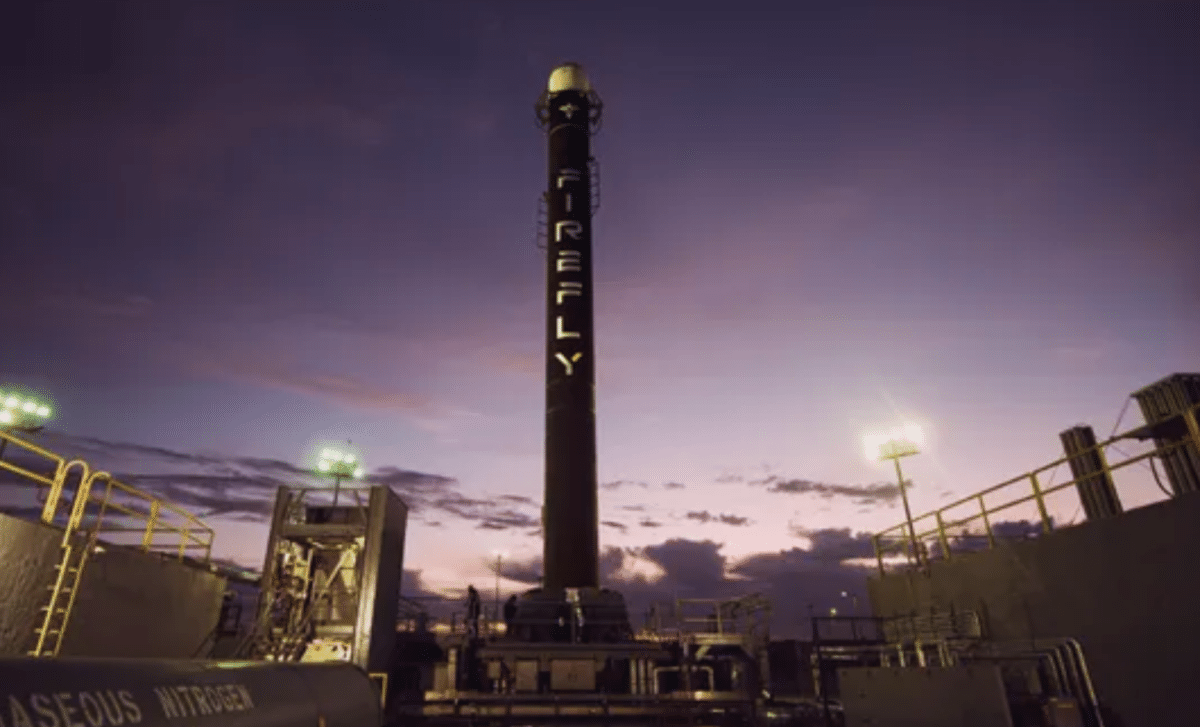
Texas-based Firefly Aerospace is preparing for a much-awaited launch of its Alpha rocket following a 10-month pause triggered by major test failures. The company aims to execute the "Stairway to Seven" mission on February 27, marking a pivotal moment as Firefly strives to bounce back and showcase Alpha’s renewed potential. This article delves into the importance of this launch, Firefly’s objectives, and the path ahead for the rocket program.
"Stairway to Seven": A Turning Point for Firefly Aerospace
The upcoming "Stairway to Seven" mission will serve as the first launch attempt for the Alpha rocket since two critical setbacks sidelined the vehicle last year. Firefly Aerospace had to halt its progress substantially while conducting thorough investigations into these incidents. The latest failure, a combustion anomaly reported in September, delayed the schedule by several months. Nevertheless, the company swiftly identified the root cause—a "process error during stage one integration that resulted in a minute hydrocarbon contamination," as detailed in their November investigative report.
Despite the extended hold, Firefly remains hopeful about the next flight. The event is crucial to rebuilding trust in the Alpha rocket and proving its operational readiness. For this seventh mission, Alpha will carry a "demo payload," rather than the originally planned Lockheed Martin cargo, allowing the team to validate the rocket’s core functionalities and readiness for upcoming assignments.

Design and Upgrades of the Alpha Rocket
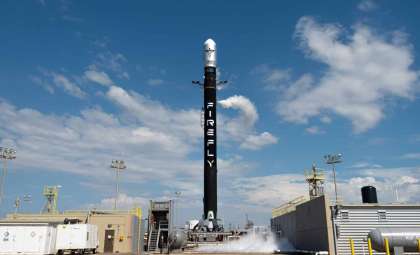
Developed by Firefly Aerospace, Alpha is a small to medium-sized launch vehicle designed to deploy satellites into orbit efficiently. Firefly’s mission is to provide a cost-effective and dependable launch platform. Standing 96.7 feet tall, Alpha is propelled by four Reaver engines, which undergo rigorous static fire testing before liftoff.
The "Stairway to Seven" mission will be the concluding flight of Alpha’s Block I variant, which has formed the foundation of the company's rocket design and testing efforts. Upon successful completion, Firefly will shift focus to the Block II version of Alpha.
“Flight 7 will test and validate key systems ahead of Firefly’s Block II configuration upgrade on Flight 8 that’s designed to enhance reliability and manufacturability across the vehicle,” the company wrote on the mission’s website.
The Block II variant will add 7 feet in height, reaching a total of 103.7 feet. Enhancements include the integration of carbon composite parts, advanced thermal protection, upgraded avionics, and more dependable power systems. These improvements are poised to boost Alpha’s overall performance and dependability, enabling more ambitious missions and expanding Firefly’s production capabilities to satisfy the rising demand for commercial and government satellite launches.
- Categories:
- Astronomy









0 comments
Sign in to Comment