
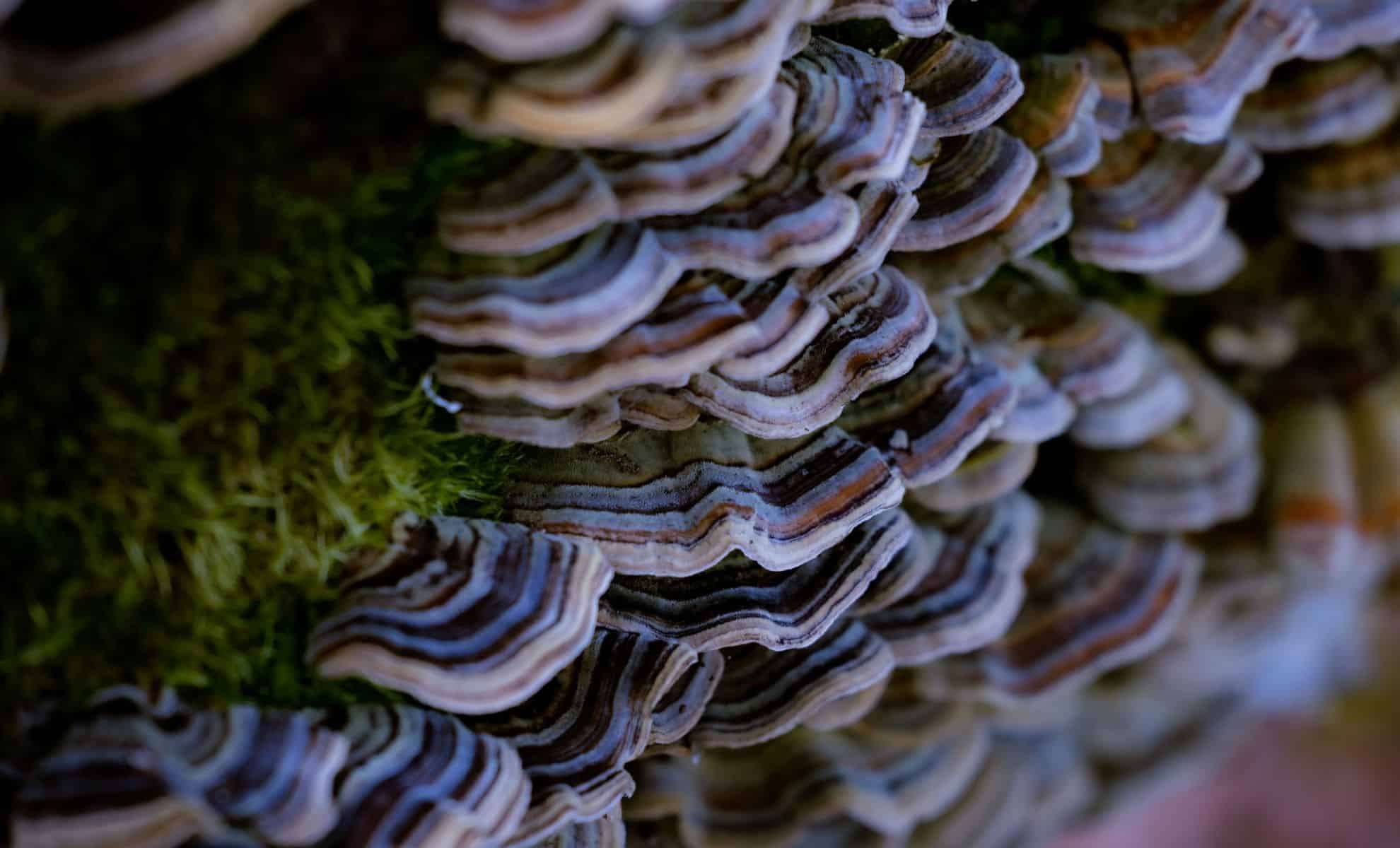
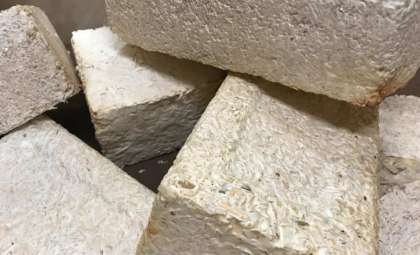
Researchers have developed a new durable, living material inspired by natural structures like bones and coral, by combining fungi and bacteria. This pioneering creation has the potential to enable buildings that can grow, self-repair, and help lower carbon emissions linked to construction processes.
Innovative Fungal-Based Biomaterial
The material relies on mycelium, the intricate web of tiny filaments typical of fungi. Led by Chelsea Heveran at Montana State University, the team utilized Neurospora crassa as the foundational fungus. To reinforce the structure, they incorporated the bacterium Sporosarcina pasteurii, which reacts with urea in its environment to produce calcium carbonate—the same mineral found in seashells and eggshells.
Drawing Inspiration From Bone Formation
Published in Cell Reports Physical Science, the team’s research was guided by the natural formation of bone, known for its remarkable strength and lightness. As Heveran explained, “Bone combines toughness and light weight through biomineralization on protein frameworks like collagen. ” Their approach emulates this by fusing fungal scaffolds with bacterial mineralization to solidify and strengthen the material.

Promising Longevity and Performance
Unlike many prior living materials that only last a few days, the fungal-bacterial composite maintained its viability and structural integrity for a minimum of one month. Heveran expressed enthusiasm about these findings, stating, “Our results pave the way for engineering larger, more intricate structures. With improved longevity, we can incorporate valuable biological traits such as self-healing, sensory functions, or pollution mitigation.”
A Step Forward in Eco-Friendly Building
The environmental impact of such innovations could be profound. Concrete production alone accounts for over 5% of global anthropogenic greenhouse gas emissions. Replacing traditional building components with biologically active materials has the potential to significantly lower the carbon footprint of infrastructure. Aysu Kuru from the University of Sydney, who was not part of the study, remarked, “Employing mycelium as a base for living materials is a straightforward yet impactful idea.”
Envisioning Living Structures of the Future
This breakthrough opens doors to constructing elements that can self-organize, repair damage, and respond dynamically to environmental changes. While currently in proof-of-concept stages, growing and shaping materials with sustained biological functions could transform our perception of buildings from static objects into dynamic, living entities.
Ongoing research will focus on enhancing the durability, scalability, and mechanical properties necessary for practical applications in the construction industry.
This fusion of living organisms with architectural design hints at a future where buildings are cultivated rather than simply assembled, revealing exciting possibilities for fungus-based construction materials.
- Categories:
- Science






0 comments
Sign in to Comment