
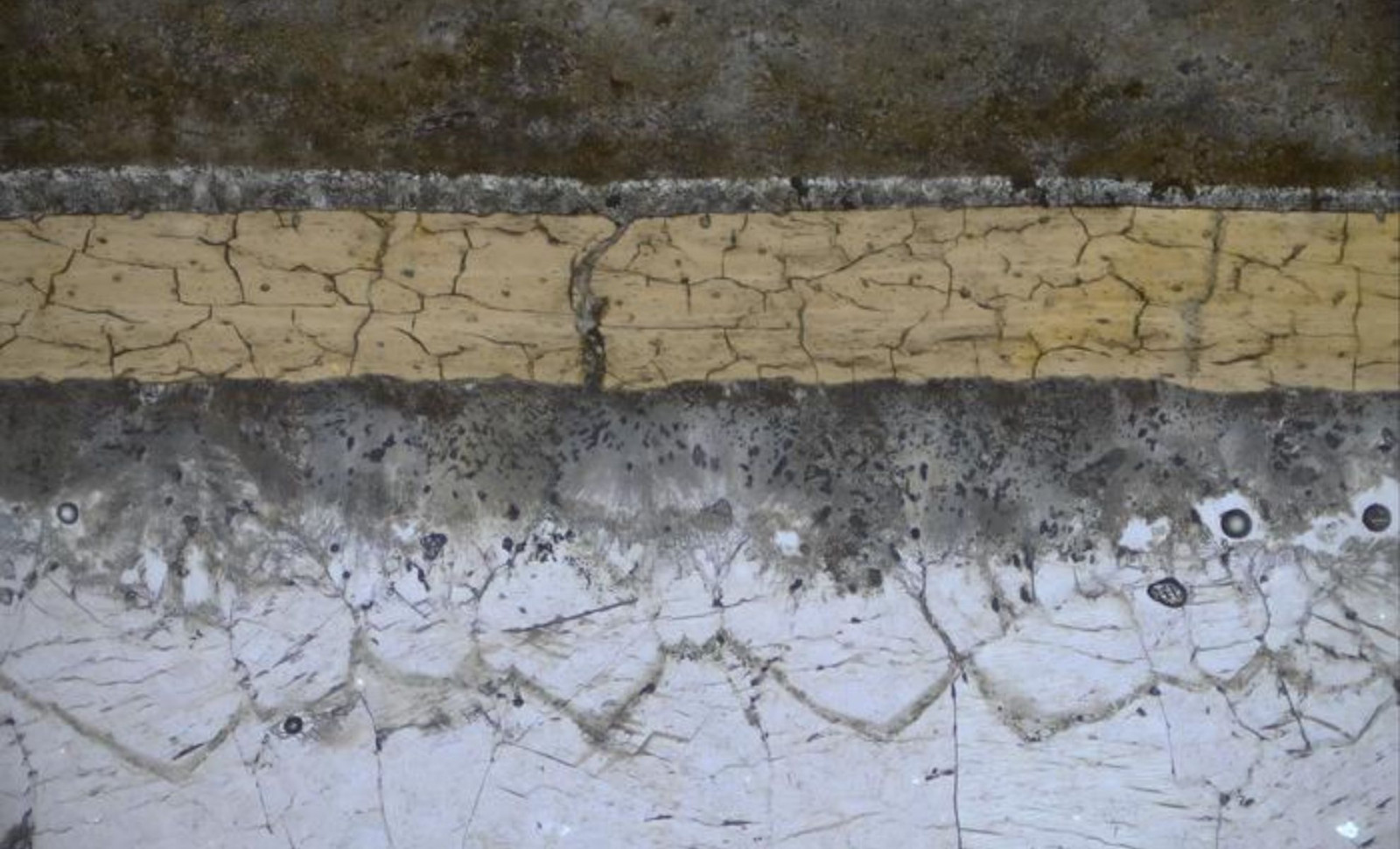
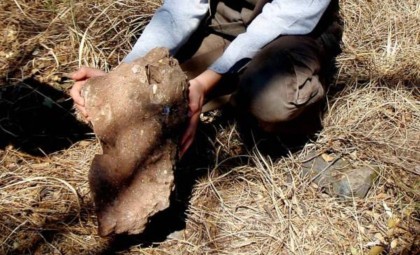
A exquisitely preserved pterosaur specimen from northeastern Brazil has provided the first-ever molecular data extracted from these extinct flying reptiles. Among the finds are rare steroid compounds that offer clues about the creature's diet and shed light on the exceptional preservation processes active for over 100 million years.
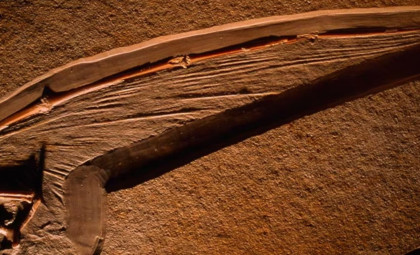
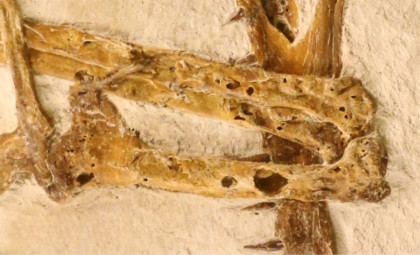
An international research team spearheaded by Curtin University examined a fossilized wing phalanx known for its remarkable three-dimensional integrity. Their analysis revealed chemical remnants dating back to the Early Cretaceous, marking a pioneering discovery of molecules within a pterosaur fossil.
The findings, published in iScience, challenge conventional views of fossilization, proposing that oxygen-related microbial activity may contribute to preserving both the structural and molecular details of fossils rather than merely causing decay.

Molecular Clues Illuminate Pterosaur Diet
The team detected preserved steroids, an extraordinarily unusual find for such ancient material. Curtin University has hailed this as the first molecular evidence discovered in a pterosaur fossil.
Lead investigator Professor Kliti Grice, John Curtin Distinguished Professor and founding head of the Western Australian Organic and Isotope Geochemistry Centre, described the fossil as an extraordinary "time capsule."
“This fossil is a true time capsule — not only is it beautifully preserved, but for the first time we’ve detected traces of steroids in a pterosaur, providing further evidence that these creatures likely fed on fish or squid,” Professor Grice said.
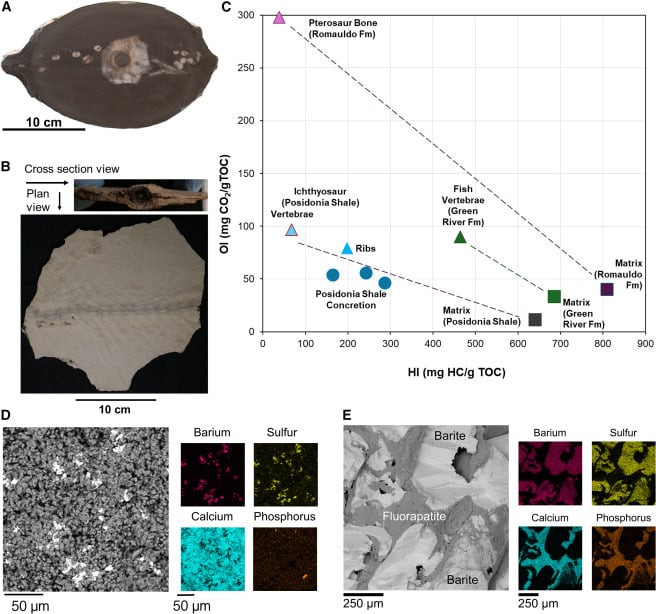
The research also underscores the significance of molecular paleontology. By retaining chemical compounds within the fossilized bone, the specimen opens new avenues to explore ancient organisms and their environments.
Microbial Processes Secured the Fossil’s Preservation
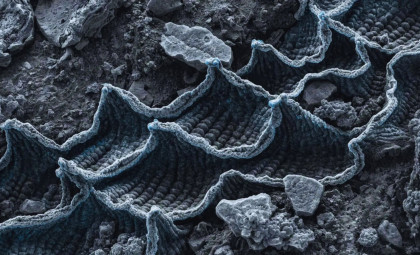
The investigators further studied the mechanisms enabling such extraordinary conservation spanning over 100 million years. After the pterosaur perished and rested on the seabed, microbial communities began decomposing its soft tissues and lipids, Professor Grice explained. Key among these were sulfur-oxidizing bacteria, whose metabolic activity initiated mineral precipitation encasing the remains.
This mineralization progressively encapsulated the specimen, maintaining intricate preservation. The team argues that this challenges the prevailing notion that oxygen solely contributes to organic decomposition in fossilization.
“Rather than being destroyed by oxygen, some fossils are preserved because of it, through oxidative processes carried out by ancient microbiomes,” he noted.
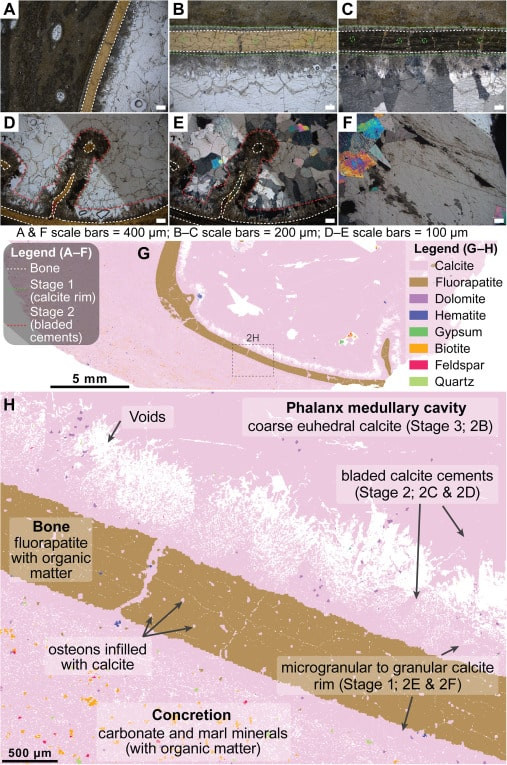
The interplay of microorganisms, local chemical conditions, and the marine environment collaborated to conserve both the fossil’s structural and molecular characteristics.
Reconsidering How Fossils Achieve Exceptional Preservation
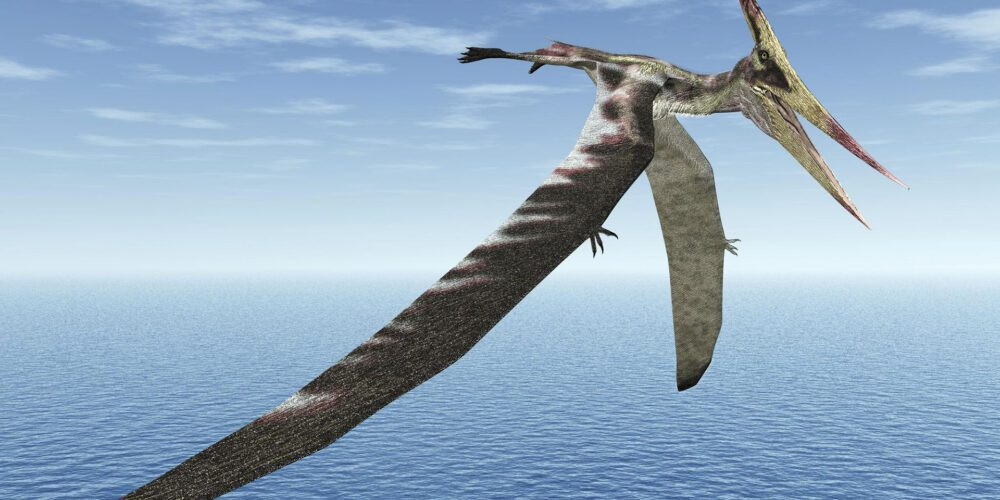
Pterosaurs were the earliest vertebrates capable of powered flight, coexisting with dinosaurs. Some species sported wingspans reaching 12 meters, and their hollow bones—similar to those in modern birds—may have increased the chance of extraordinary preservation when conditions were optimal.
The newly proposed preservation mechanism may also clarify analogous discoveries elsewhere. Professor Grice pointed out that these insights reinforce mounting evidence that microbes played a vital role in maintaining ancient fossil integrity.
The research also introduces a potential new global Lagerstätten pathway, describing the rare environmental factors leading to exquisitely preserved fossils.
- Categories:
- Science





0 comments
Sign in to Comment