
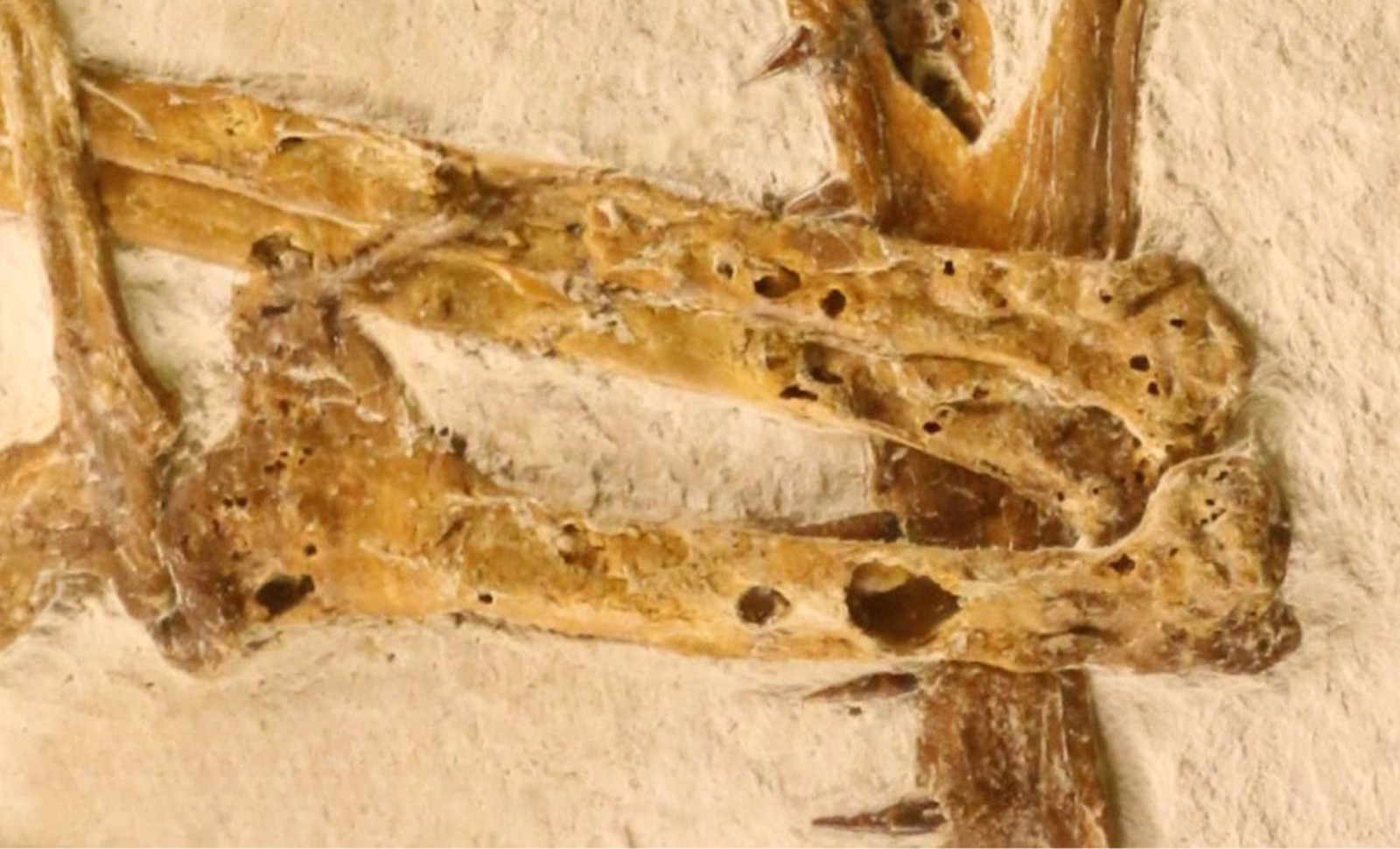
A nearly intact pterosaur fossil found in southern Germany has been identified as a novel genus and species dating back to the Late Jurassic period. This creature, named Laueropterus vitriolus, represents an early lineage of flying reptiles that bridges the evolutionary transition between primitive pterosaurs and their more advanced relatives.
Detailed in PeerJ, the research highlights a specimen exhibiting a rare combination of ancestral and evolved traits. Pterosaurs emerged approximately 210 million years ago as the first vertebrates capable of powered flight. Over time, they diversified widely, ranging from tiny flyers the size of sparrows to massive creatures with wingspans rivaling small airplanes. Among these were monofenestratans, a group only recognized in 2010 as a pivotal evolutionary link between early pterosaurs and the pterodactyloids, the better-known later forms.
The specimen of this new species was recovered from Bavaria's Mörnsheim Formation, a site famous for yielding important pterosaur remains. Led by Dr. David Hone from Queen Mary University of London, the study estimates the wingspan of Laueropterus vitriolus to be around one meter, marking it as one of the largest early monofenestratan fossils recorded.

A Remarkably Preserved Bavarian Fossil
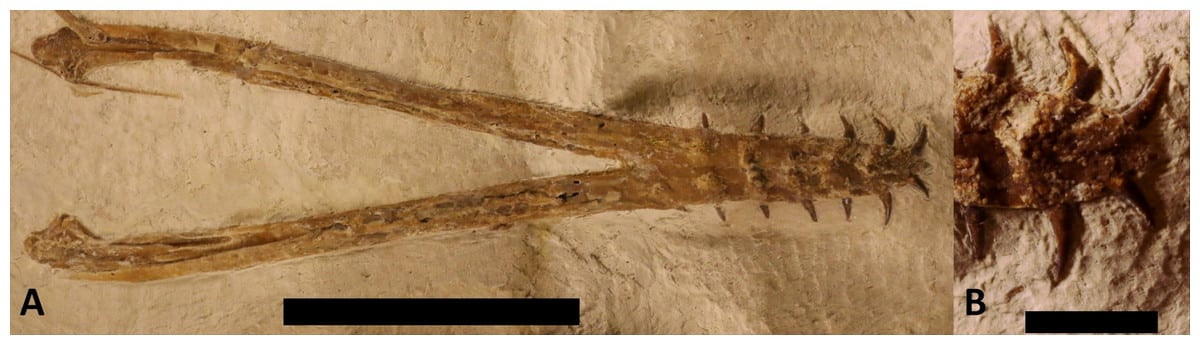
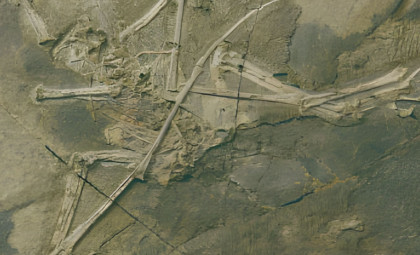
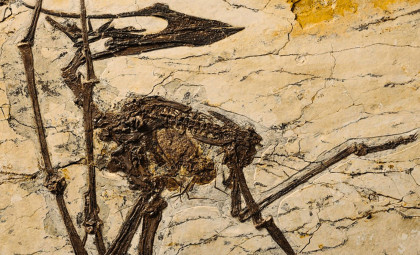
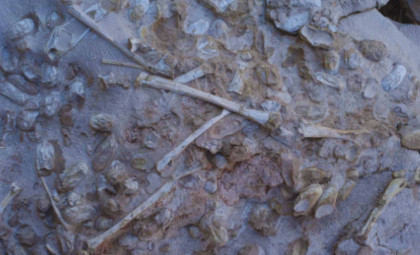
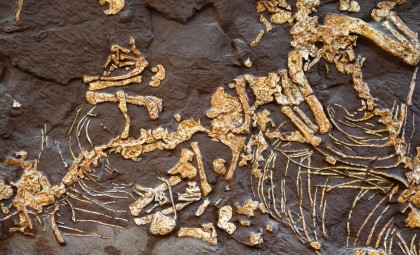
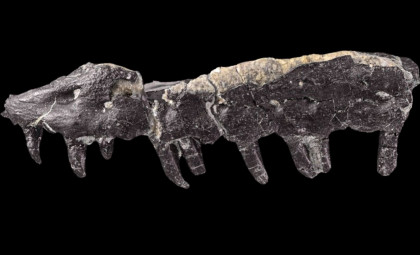
Discovered in the Schaudiberg quarry around 2007, this fossil dates from between 150 and 143 million years ago. It contains much of the skull, jaws, vertebrae, and wing structures.
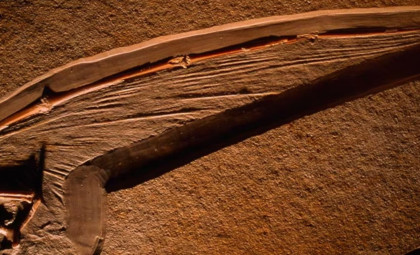
Set within a limestone slab approximately 60 by 45 centimeters in size, the fossil rests on a predominantly gray rock, intersected by thick white veins. The specimen remains mostly undistorted, allowing detailed observation of even the smallest anatomical features.
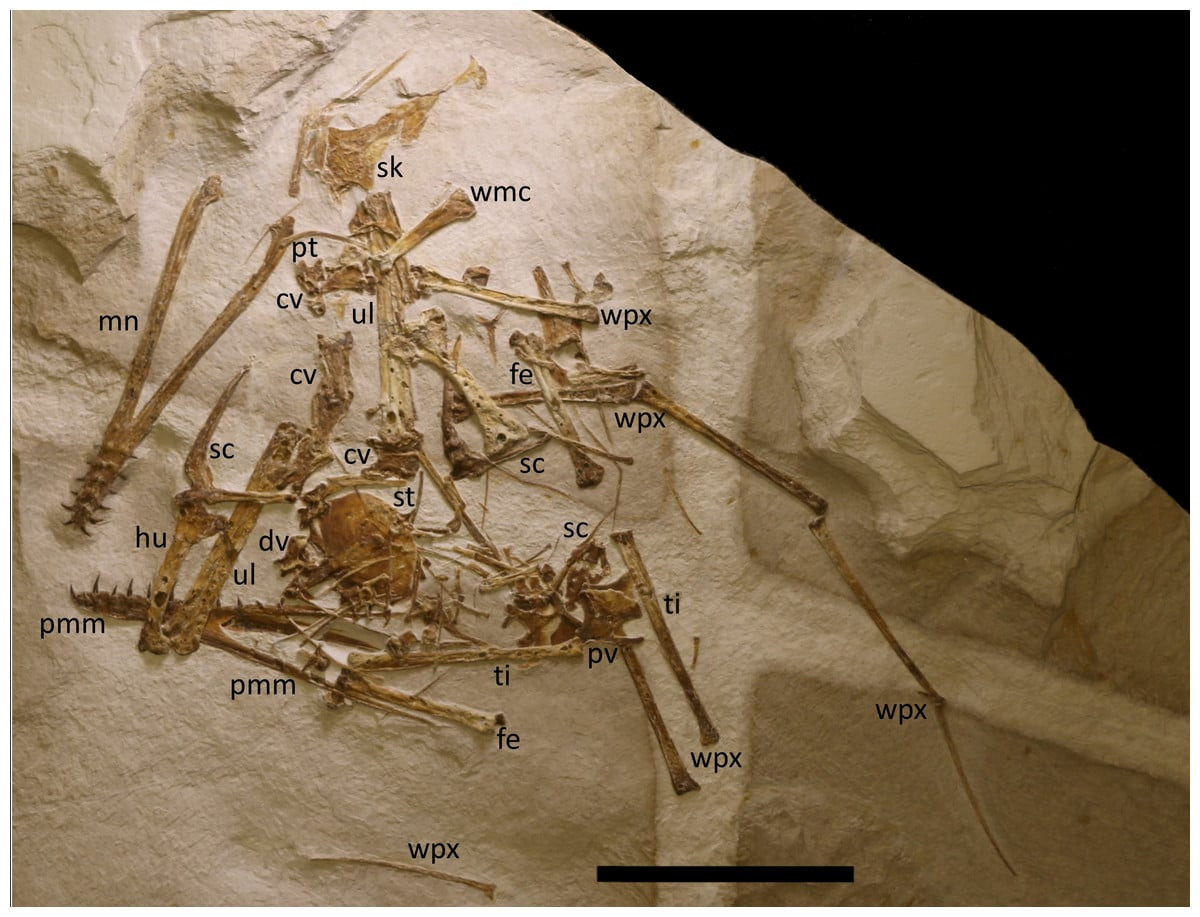
Dr. David Hone remarks that delicate bones, including the sternal plates, vividly reveal the shapes of underlying structures. This exceptional state of preservation enables scientists to study anatomical elements often lost or damaged in fossil records.
An Evolutionary Intermediate Species
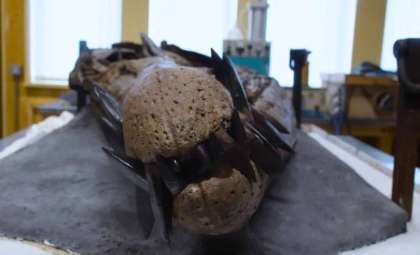
Laueropterus vitriolus exhibits features characteristic of both basal and more advanced pterosaurs. Its large skull features a single fused opening combining the nostril and antorbital fenestra, a distinctive trait of monofenestratan pterosaurs.
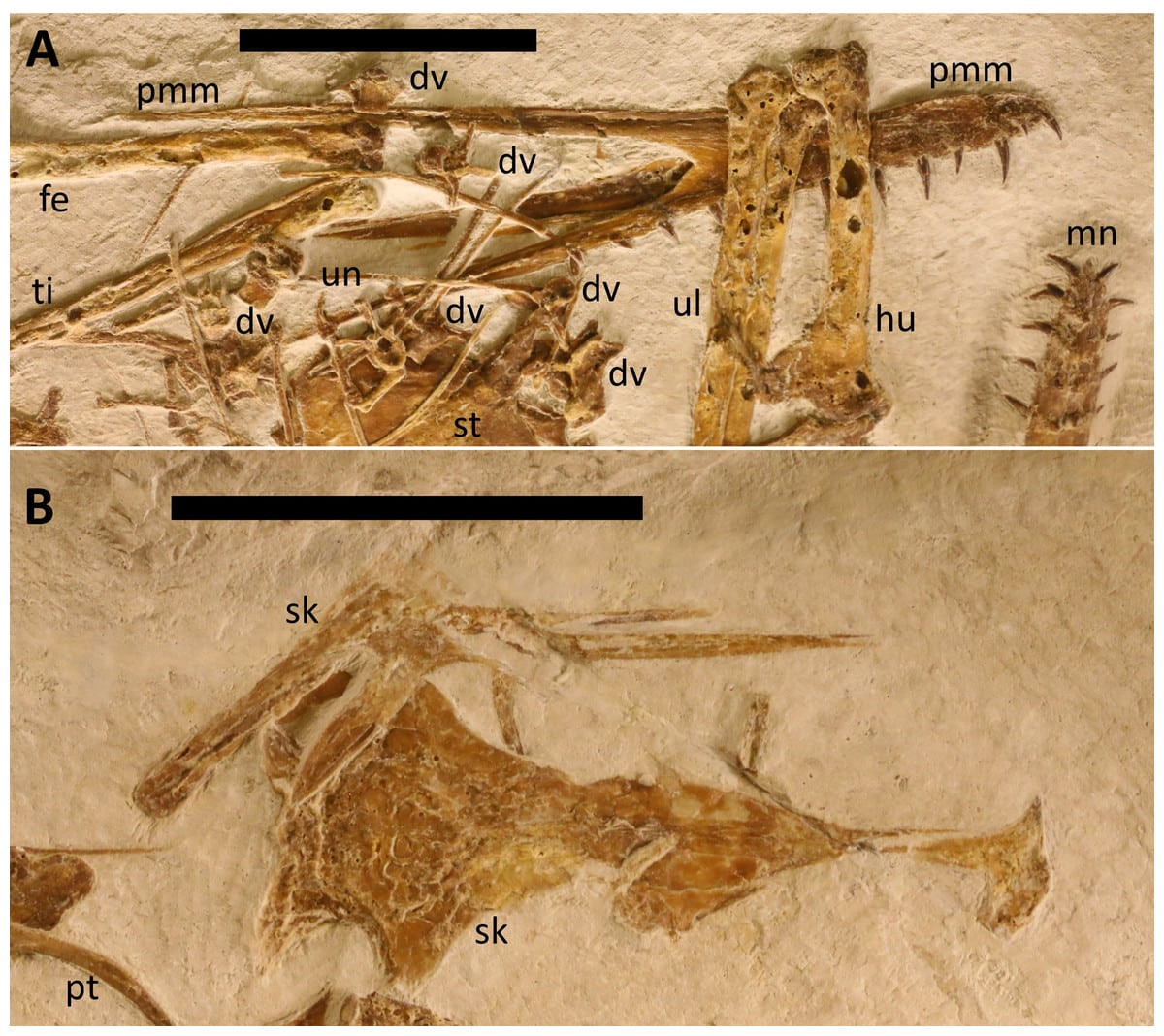
Conversely, the species retains comparatively short wing bones, a feature usually seen in more primitive pterosaurs. This combination situates it in an important evolutionary phase that has garnered increasing interest over recent years. Dr. Hone mentions that early monofenestratans were first identified in 2010, adding that:
“Various analyses have recovered these taxa as both a clade and grade between the non-monofenetratans and the pterodactyloids,” he said. “Some of the most derived of these taxa have been named as pterodactyliforms and represent clade of derived monofenestratans and the pterodactyloids.”
A Unique Fossil Discovery Site
In addition to highlighting the remarkable fossil itself, the study draws attention to the Mühlheim area, where Laueropterus vitriolus represents the fourth documented non-pterodactyloid monofenestratan, alongside Skiphosoura, Makrodactylus, and Rhamphodactylus.
The only other pterosaur from this evolutionary group in the vicinity is Propterodactylus, discovered at the older Painten site. Dr. Hone emphasizes that:
“Hundreds of pterosaur fossils have been recovered from the traditional Solnhofen beds to yield only Propterodactylus, but with four specimens of non-pterodactyloid monofenestratan in Mühlheim of perhaps less than a dozen pterosaurs that have been recovered this is very notable presence.”
According to the lead author, this exceptional concentration of fossils establishes the Mörnsheim Formation as a critical location for unraveling this phase in pterosaur evolutionary history.
- Categories:
- Science



0 comments
Sign in to Comment