
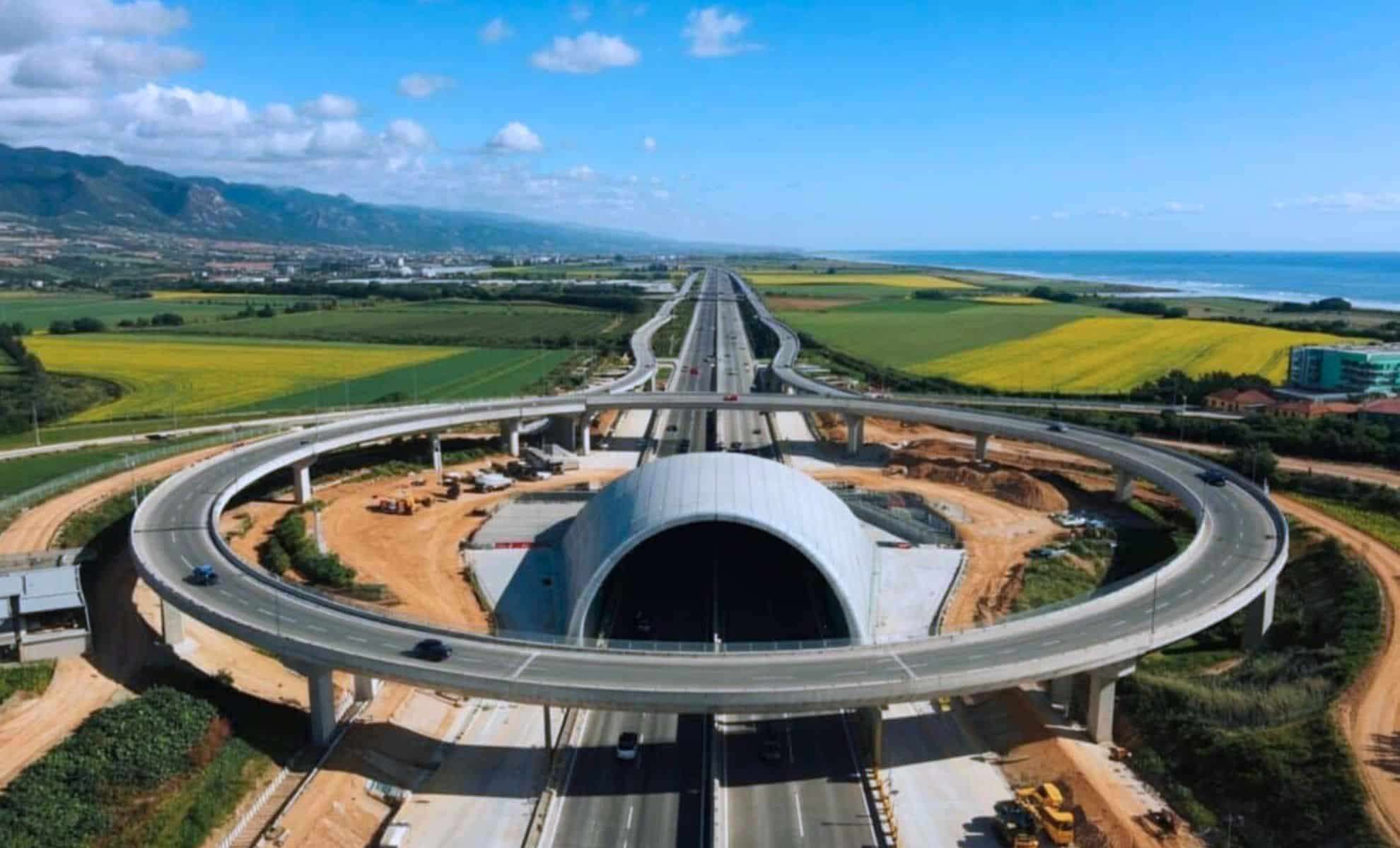
Decades of discussion are now moving forward as plans to construct an underwater tunnel beneath the Strait of Gibraltar to directly link Europe and Africa gain official support. In August 2025, Morocco and Spain formally approved a longstanding concept first proposed in the late 20th century, signaling a transformative advance in intercontinental connectivity. Supported by extensive feasibility analysis, economic planning, and growing geopolitical cooperation, the Morocco–Spain submarine tunnel is progressing from a visionary idea toward tangible implementation.
Decades of Delay End as Tunnel Project Gains Momentum
As reported by Morocco World News, Moroccan and Spanish officials have committed to advancing the Gibraltar rail tunnel initiative, dedicating €1.6 million to update key technical evaluations. Though conceived in 1979, active development accelerated after 2023 with shared infrastructure goals tied to the 2030 FIFA World Cup hosted by Spain, Portugal, and Morocco.
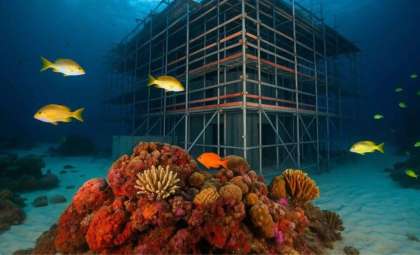
The planned tunnel will span about 42 kilometers, of which roughly 28 kilometers will be submerged, establishing a direct link between southern Spain’s coast near Tarifa and Morocco’s Tanger-Med port. The passage will plunge as far as 475 meters below sea level, posing extraordinary engineering challenges.

According to Spanish outlets like El País, the German firm Herrenknecht AG, recognized for major global tunneling ventures, is a key contender to provide technical expertise.
Financial and Engineering Insights
Various studies estimate the project’s cost at between €6 billion and €15 billion, influenced by factors like design complexity, material requirements, and logistics. Africa Supply Chain Mag highlights that inflation, seabed conditions, and seismic activity add to the cost uncertainties. Nevertheless, political commitment combined with funding from both governments and European investment funds is driving the initiative forward.
Morocco’s National Company for the Study of the Strait of Gibraltar (SNED) along with its Spanish counterpart have reassembled a joint commission to conduct fresh geological explorations, with a conclusive feasibility report expected by mid-2026. If approved for construction, the tunnel aims for completion around 2040.
Transforming Trade, Transit, and Energy Exchange
Beyond its technical scope, the tunnel will serve as a vital new link enhancing economic exchange between two continents. It promises to slash transit times for cargo, streamline migration processes, and offer a greener alternative to conventional ferries and air freight.
Tanger-Med port, North Africa’s busiest maritime hub, is set to become a major entry point for goods arriving from West and Central Africa, strengthening Morocco’s position in global trade networks.
The tunnel also symbolizes more than infrastructure; analysts view it as “not just steel and concrete—but a bridge of intent,” representing a deeper commitment to fostering economic and diplomatic bonds between the Global North and South.
Outlook, Challenges, and Political Alignment
Actual construction has yet to commence, but official endorsement marks a rare moment of synchronized priorities on both sides of the Strait.
While the joint World Cup bid provided symbolic impetus, the tunnel’s enduring appeal lies in strategic long-term planning. European Union officials consider it a key component of expanding Mediterranean infrastructure corridors. For Morocco, it aligns with national goals to modernize transportation and enhance market access worldwide.
For Spain, the project offers an opportunity to intensify Andalusia’s role in logistics, offset rising regional competition, and reinforce its stature within Euro-African relationships.
- Categories:
- News








0 comments
Sign in to Comment