
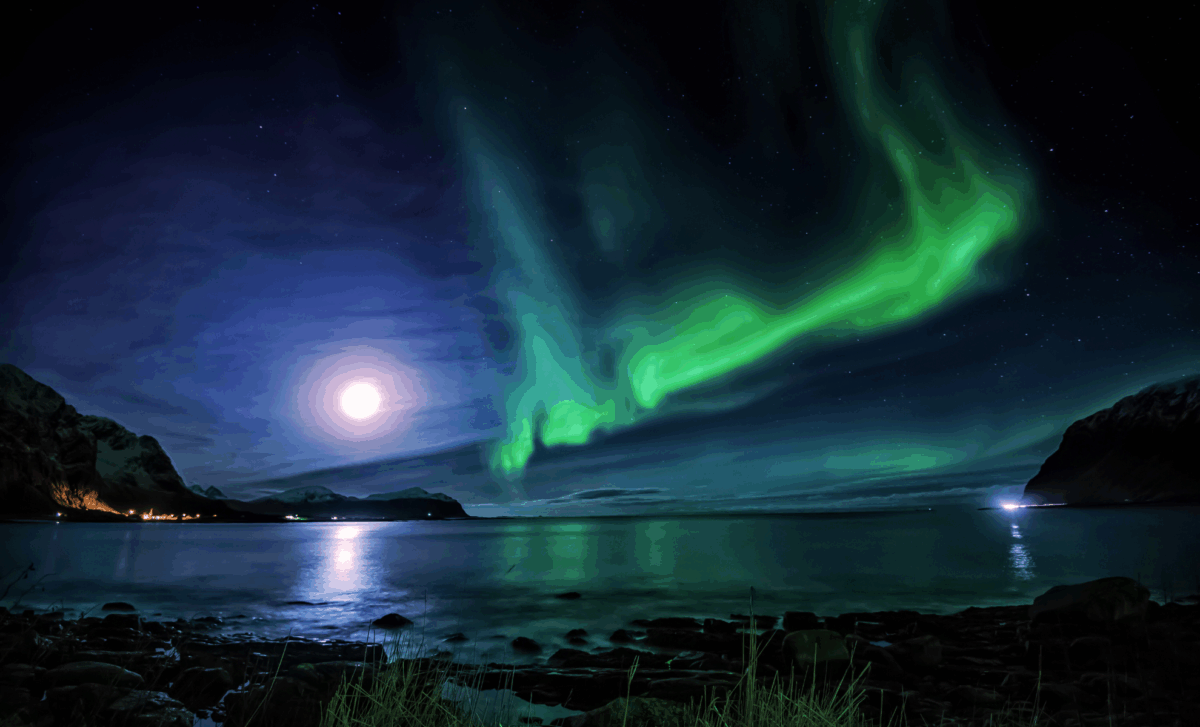
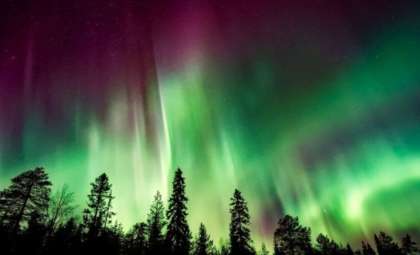
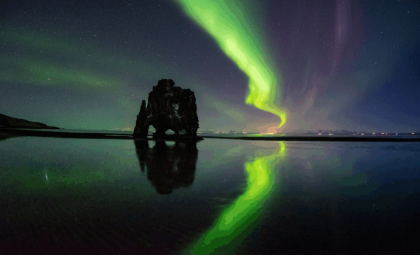
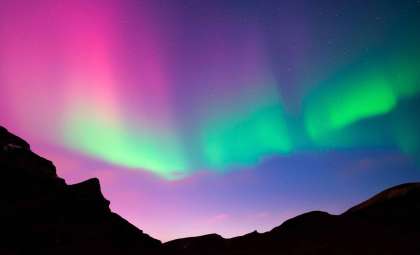
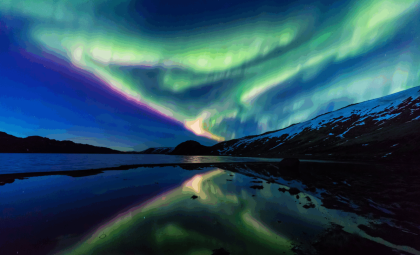
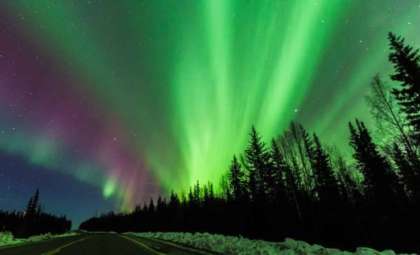
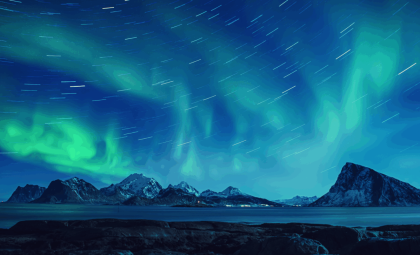
This Halloween could surprise many with a dazzling natural light display across parts of the northern U.S. Recent solar eruptions have the potential to push the aurora borealis further south than usual. Experts are monitoring the situation closely as geomagnetic activity intensifies.
Possible Aurora Sightings Across Northern States
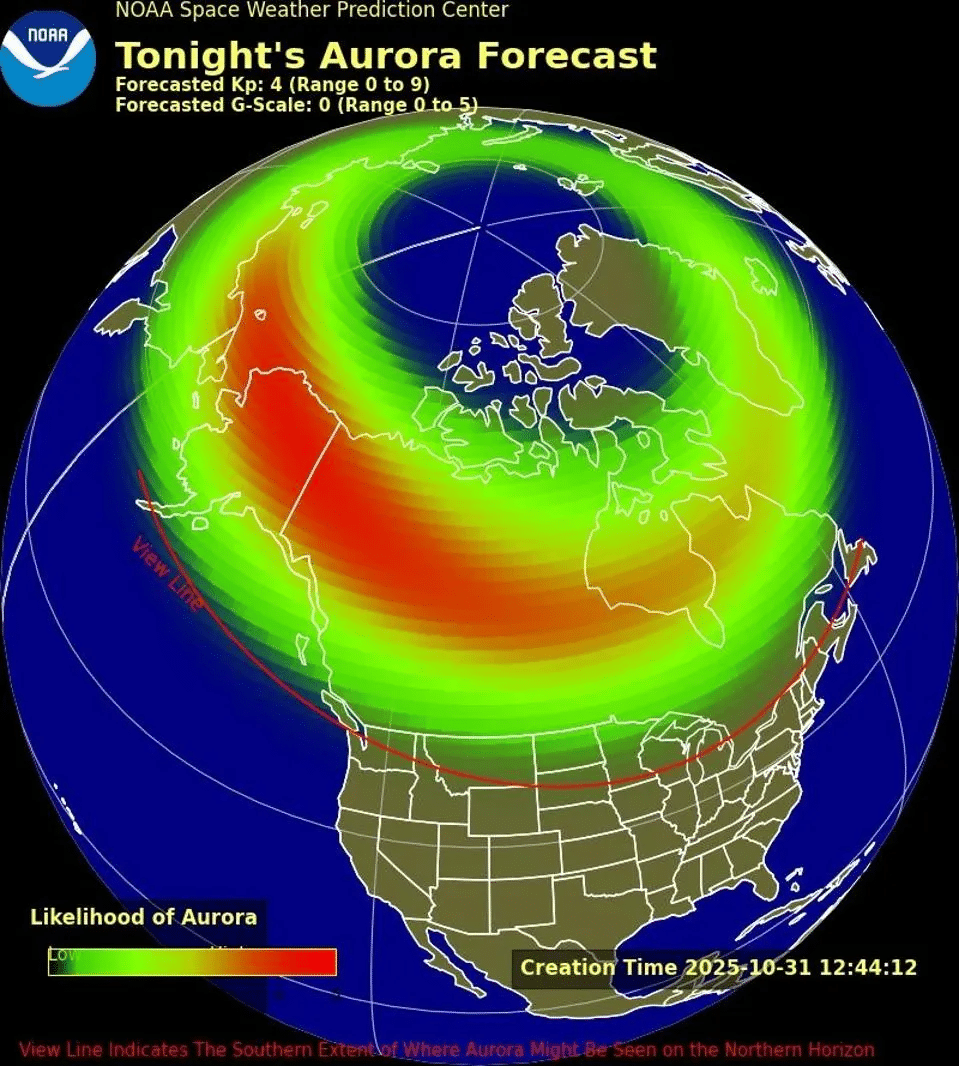
The NOAA’s Space Weather Prediction Center predicts heightened chances for auroras on Halloween night. Forecasters cite a moderate Kp index of 4, indicating a geomagnetic storm strong enough to illuminate skies in places like Minnesota, Wisconsin, Michigan, Maine, and parts of Montana and Washington.
The display results from energetic solar winds emanating from a cooler patch on the sun's surface, which interact with Earth’s magnetic field, extending the auroras’ reach noticeably farther south.

Optimal Viewing Spots and Times for the Aurora
For an ideal sighting, experts advise finding high, north-facing vantage points away from urban light pollution.
Prime viewing hours fall between 10 p.m. and 2 a.m., when auroral activity is usually strongest.
Though some areas might experience cloud cover, most forecasts predict clear skies in prime locations.
Utilize NOAA’s aurora viewline for the latest updates on aurora visibility: Aurora Viewline Map.
Tips for Photographing the Northern Lights
Capturing the aurora doesn’t demand costly gear but benefits from preparation.
Experts recommend a wide-angle lens, aperture setting less than f/4, and focusing at infinity.
Smartphones are also effective if you turn on night mode, disable the flash, and use a tripod to keep the device steady.
What’s Driving This Year’s Brighter Northern Lights?
The current increase in solar activity arises as the sun moves toward its solar maximum, part of an approximately 11-year solar cycle marked by heightened sunspots, flares, and coronal mass ejections.
This period is expected to continue through early 2026, enhancing chances for vibrant auroras to be visible at lower latitudes.
Consequently, the 2024–2025 timeframe might offer some of the most extensive aurora displays seen in many years.
- Categories:
- News




0 comments
Sign in to Comment